
“`html
A LinkedIn message can feel harmless, even routine, which is exactly why it can turn dangerous so fast. In this case, a professional-looking connection opened the door to a two-year romance scam that drained nearly $1 million, used a real man’s photos, and leaned on trust, timing, and pressure to keep the deception alive.
Gaby said the whole thing started back in 2019 when a stranger reached out on LinkedIn and seemed tied to someone she already knew. That small detail made the profile look legitimate, and from there the conversation turned warm, personal, and increasingly intense. What felt like a normal online connection slowly became an emotional trap.
She described the attention as overwhelming in the best possible way at first, saying, “The words that he spoke, it was like a drug,” and that kind of pull is what makes these scams so effective. The fake relationship stayed inside the bubble for a long time, with flattering messages, steady contact, and just enough consistency to keep doubts on the back burner.
The money requests did not arrive like a slap in the face. They started small, then grew after the scammer claimed his bank account was blocked and needed help with business problems involving travel and customs. When he even returned money after the first transfer, that move gave the whole setup a false sense of honesty.
That is the nasty trick behind many romance scams. A returned payment can feel like proof of character, but it often works like bait, making the next request seem safer than it should. Once the requests climbed into the tens of thousands and then far beyond that, the relationship had already been hardened by time, repetition, and emotional leverage.
The scammer also kept dodging any real-world meeting. Gaby thought about traveling to Vietnam, but the man always had a reason not to meet, including stress and not wanting to be seen at a bad moment. Then the pandemic added another layer of delay, which only made the excuses easier to sell.
Eventually, the story shifted from business trouble to a medical emergency. Gaby said he claimed he needed surgery and framed the request in a way that tied money directly to love and loyalty, telling her, “Suddenly he told me he needs surgery to prove my love. I sent 500,000.”
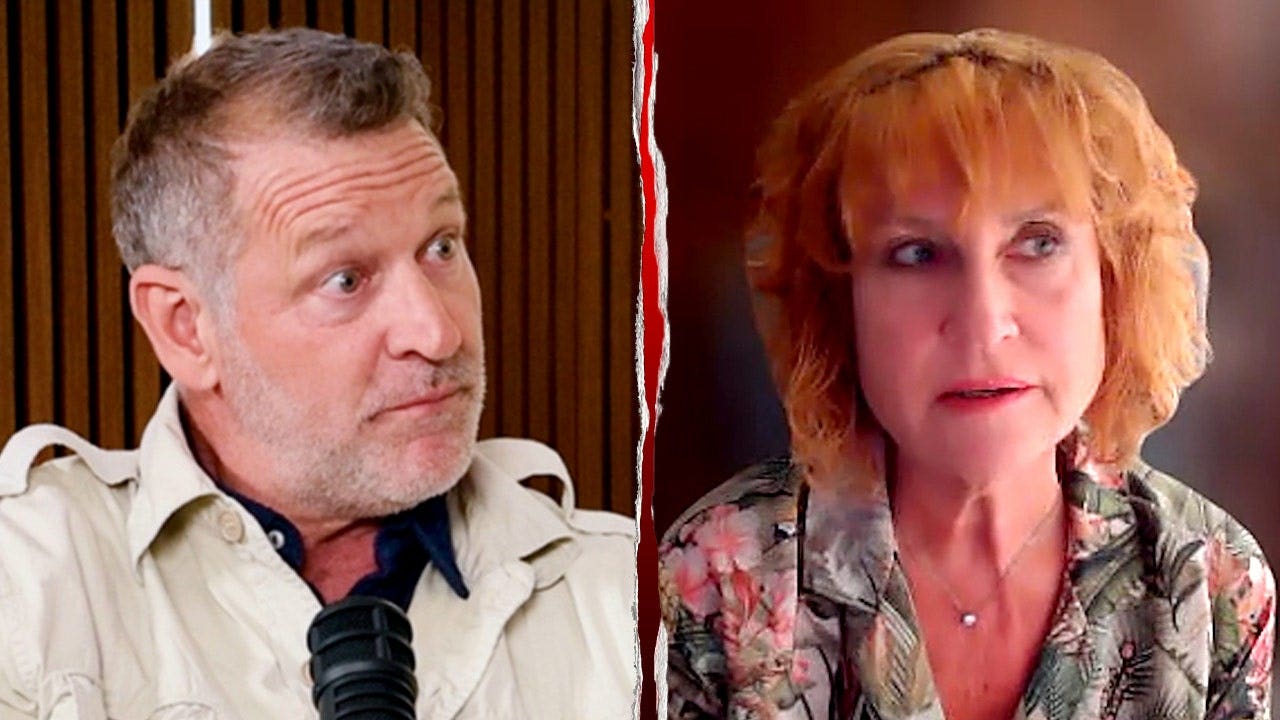
The person in the pictures was real, but he was not the one sending the messages. Brian Haugen said scammers stole his photos from a social media account and reused them on fake profiles under different names, which meant his face was being used as bait in conversations he never had. That kind of identity theft leaves real damage behind, even for people who never touched the money.
Brian said the abuse went beyond one fake profile, with his image tied to multiple accounts and even passports in different names. That is the strange, ugly part of these schemes, where one person’s photo becomes the face of dozens of lies. The FBI has repeatedly warned that romance scammers often rely on stolen pictures and false identities rather than anything genuine.
Social media and professional platforms make this easier than most people realize. The FTC says scammers study public details, recent life changes, and shared connections to shape a message that feels personal before they ever ask for money. Nearly 60% of people who reported losing money to a romance scam in 2025 said it started on social media, and reported losses tied to those scams hit about $298 million.
The real lesson is not that every online relationship is fake, because plenty of them are real. The warning is that a convincing profile, a mutual contact, or even a video call does not prove who is actually behind the account. A scam can look polished right up until the moment it starts demanding cash, secrecy, or another favor that feels urgent.
Gaby eventually pushed for stronger proof and asked for an email from the same account linked to a legitimate Zoom invitation. He stalled, then stalled again, and never delivered what she asked for. That missing verification became the crack that exposed everything, and it shows why independent checks matter more than promises from the person under suspicion.
By then, the pattern was clear: trust built over time, excuses piled up, and money kept moving because the relationship felt emotionally real. Romance scams work best when they move slowly enough to feel natural and fast enough to outrun second thoughts. That mix is what makes them so hard to spot until the damage is already done.
“`
