
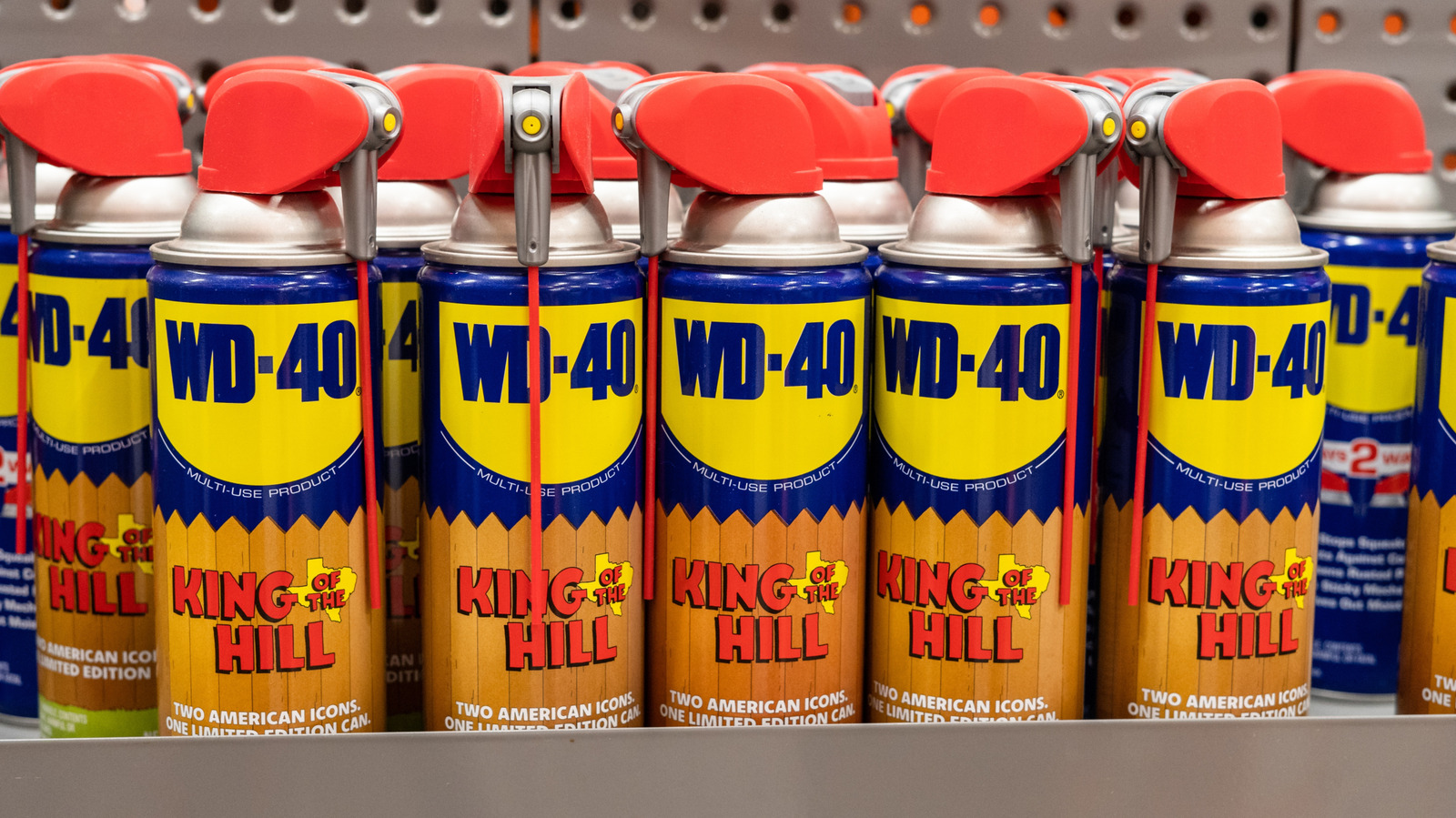
WD-40 has a huge reputation for fixing sticky, rusty, annoying little problems around the shop. But pneumatic tools play by a different set of rules, and the wrong lubricant can quietly turn a useful tool into a worn-out headache.
WD-40 earned its fame as a water displacer and corrosion fighter, not as a dedicated air tool oil. That matters because compressed-air tools rely on fast-moving internal parts, rubber seals, and a steady lubricant that can stay put without chewing up the components around it.
The trouble starts inside the tool, where WD-40’s light solvent base can evaporate quickly and leave the wrong kind of residue behind. Instead of helping seals stay healthy, it can strip away protective grease, dry out rubber parts, and invite grime into places that are supposed to stay clean.
That does not mean WD-40 is useless. It still shines when the job calls for loosening corrosion, driving out moisture, or freeing up stuck hardware that has no interest in cooperating. On the outside of a tool, it can still be a handy cleanup and protection product, just not the one for internal pneumatic lubrication.
The reason is simple: pneumatic tools need an oil built for the pressure and speed of compressed air systems. These tools depend on lubricants that can handle repeated cycling, protect moving parts, and stay stable without breaking down seals or turning into sticky sludge.
Proper air tool oil is made with that environment in mind. It is designed to feed the tool without attacking rubber or gumming up fine passages, which is a big deal when the whole system depends on narrow lines, connectors, and filters staying clear.
WD-40’s own behavior gives away the difference. It is great at displacing moisture and loosening corrosion, but that same chemistry is exactly why it is a poor long-term match for pneumatic internals. A product can be useful and still be the wrong tool for a very specific job, and this is one of those cases.
There is also a mess factor that people overlook. WD-40 tends to leave behind a film that can attract dust, dirt, and workshop debris, which is the last thing wanted in an air line or tool body that should stay clean and efficient.
That is why the safest move is to treat WD-40 and air tool oil as two separate answers to two separate problems. One is for freeing, cleaning, and fighting corrosion, while the other is for keeping pneumatic tools running smoothly over time without eating away at the parts that make them work.
So if the question is whether WD-40 should go into compressor connections, air inlets, or pneumatic hosing, the answer is no. The better approach is to reach for the lubricant the manufacturer expects, because the wrong fluid can do damage long before the tool starts making obvious complaints.
In a busy garage, that distinction matters more than people think. A can of WD-40 still earns its spot on the shelf, but pneumatic tools deserve a lubricant that was built for compressed air, not a spray that does its best work somewhere else.
