
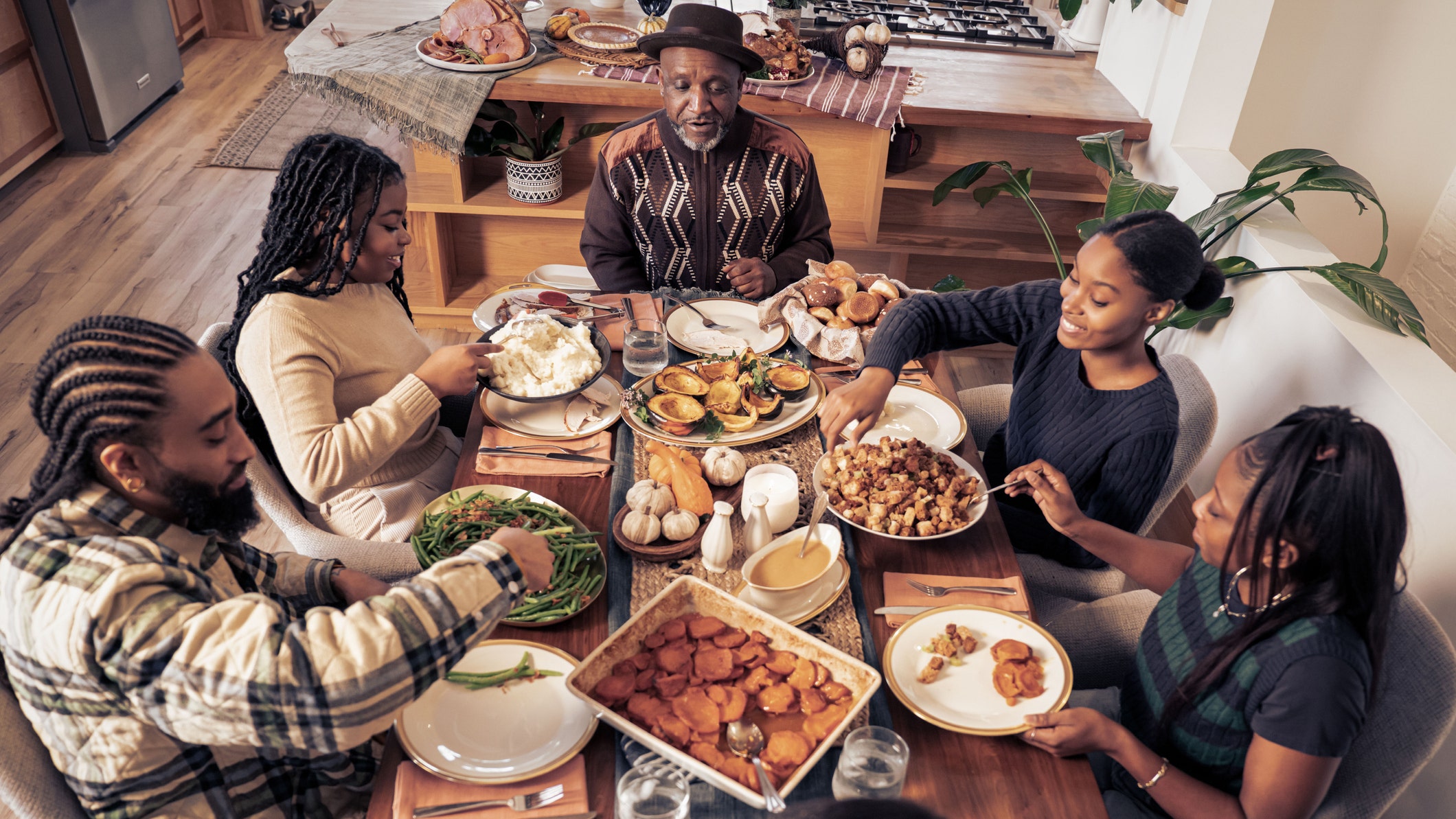
Thanksgiving can turn into a pressure cooker when politics walks through the door, and that tension has only gotten sharper in the age of Trump. A psychotherapist’s warning lands with real force here: family gatherings are supposed to feel warm, but for plenty of people they now come with rehearsed arguments, guarded smiles, and the fear that one wrong comment will blow up the whole night.
Every couple of years, the holiday lands just after a major election, which is enough to stir up old grudges on its own. Add in the current political climate, and the dinner table starts looking less like a gathering place and more like a trap.
Jonathan Alpert says he has already seen patients worrying about how to handle the uncle who loves Trump or the cousin who cannot stop talking about the latest outrage. Some have even thought about skipping the holiday entirely, but that kind of retreat usually makes the wound deeper, not smaller.
The numbers back up the feeling. Surveys and everyday conversations both point to the same ugly reality: politics is not just annoying people anymore, it is damaging relationships in a very real way. What used to be a spirited disagreement has become, for too many families, a line in the sand.
That shift matters because holiday arguments over politics are nothing new. The difference now is the hardening effect, where more people seem willing to cut off relatives, freeze out old friends, or treat disagreement like betrayal.
Alpert traces a lot of that anger to the Trump era, saying the temperature changed once Trump entered politics. Whether that diagnosis makes people cheer or groan, it reflects a broader truth: the culture has become more combative, more brittle, and a lot less forgiving.
The problem is not simply that people care about politics. The real issue is when politics becomes the entire lens for judging everyone else, squeezing out family, work, hobbies, faith, sports, and all the stuff that makes a life feel full.
That kind of tunnel vision is where the damage spreads. Once every disagreement becomes moral warfare, it is easy to start seeing relatives as enemies instead of people with different views and the same last name.
History offers a grim reminder that this is not a brand-new human flaw. In times of upheaval, public life can become so consuming that conversation itself turns harsh and joyless, with every exchange bending back to conflict and ideology.
What makes the modern version so exhausting is the constant demand that everyone take a side on everything, all the time. That kind of pressure does not leave much room for grace, and it can make even a simple family meal feel like a test of loyalty.
There is also a cost to the silence that follows. When people stop talking to avoid conflict, they may preserve the peace for one night, but they also lose the chance to know each other beyond the headlines and the hashtags.
That is the part worth protecting. Families do not need to agree on every issue to share a meal, and they do not need to pretend differences do not exist, but they do need to resist the urge to turn every disagreement into a breakup.
Alpert’s point is not that people should swallow every insult or sit through endless political ranting. It is that the habit of instantly demonizing relatives, especially over a dinner plate, is a dangerous cultural reflex that makes everyone smaller.
The healthier instinct is simpler: listen a little longer, judge a little less, and remember that no one is a headline for long. The turkey gets carved, the dishes get stacked, and the moment passes, but the way people treat each other at the table tends to stick around.
For all the noise, Thanksgiving still gives families a chance to practice something rare these days, basic restraint mixed with common decency. That can mean changing the subject before the blood pressure spikes, laughing at the old stories instead of rehashing cable-news talking points, and letting the loudest people in the room lose their grip for once.
The table does not have to become a battleground just because the country has. A little warmth, a little self-control, and a willingness to leave the shouting for somewhere else can go a long way when the plates are full and the relatives are already on edge.
