
- Extended deployment and its strain on the ship and crew
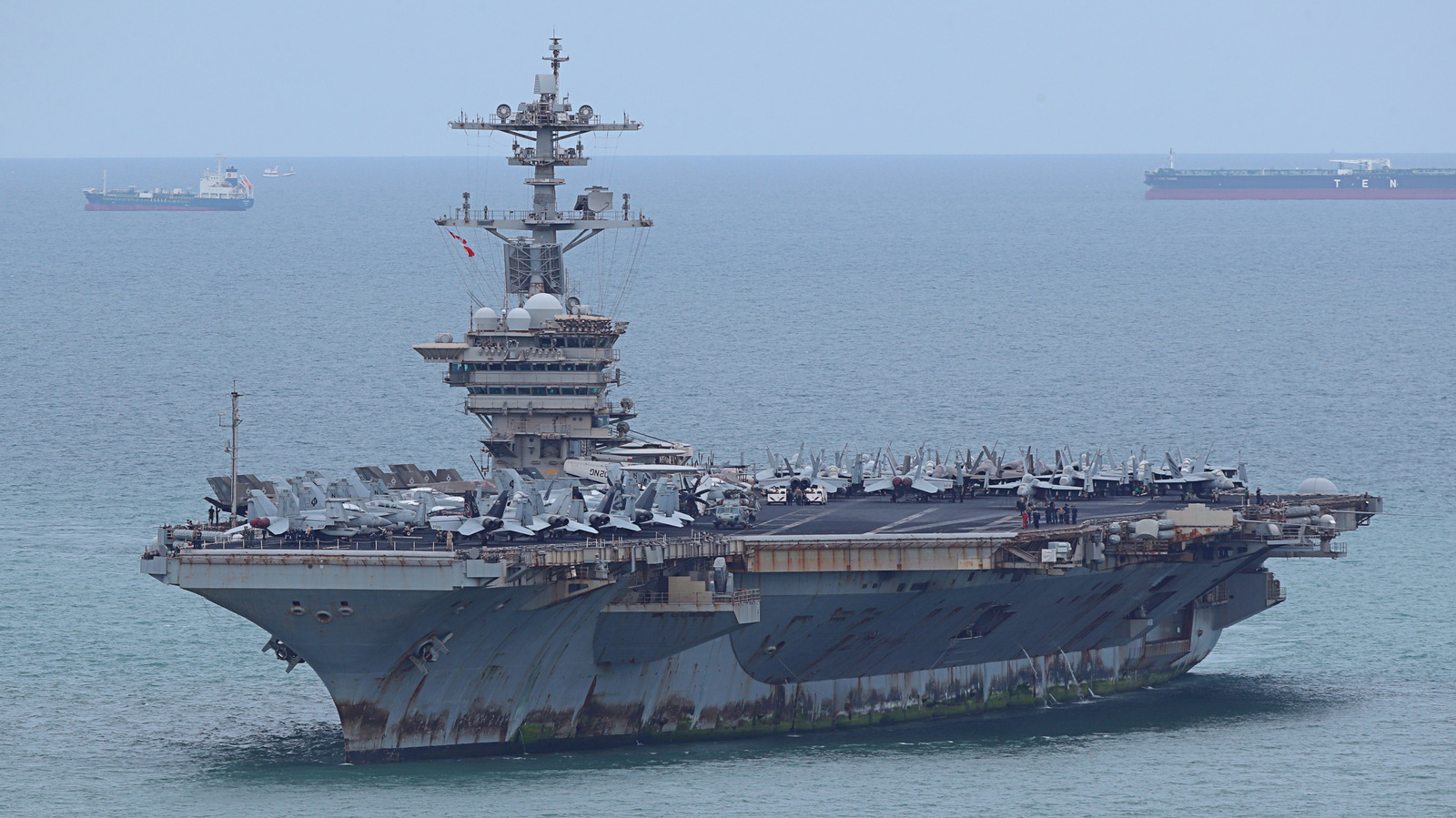
- Visible rust along the carrier’s waterline
- Why saltwater and long time at sea cause corrosion
- How the Navy handles rust and preservation
- Why port time matters for repairs and upkeep
The USS Abraham Lincoln came back looking rough after a long stretch at sea, and the rust sparked plenty of attention for good reason. What stood out most was the heavy staining along the waterline, a reminder that even a nuclear aircraft carrier takes a beating when it spends months working nonstop without much time in port.
That deployment ran for 286 days, and the toll was bigger than a few ugly patches on the hull. Supplies got stretched, the crew felt the pressure, and one sailor even jumped overboard, which put a harsh spotlight on just how worn down the ship and its people had become by the end of the mission.
Once the Lincoln headed back to home port in early September 2026, the rust was impossible to miss. The carrier looked battered, almost like it had been away for years instead of months, but that kind of appearance is not shocking when a ship stays out in saltwater for that long.
Salt is relentless. It eats at steel, works its way into exposed surfaces, and leaves behind corrosion that tends to show up most clearly above the waterline, where the hull gets hammered by spray and constant exposure.
Retired U.S. Navy Capt. Carl Shuster said, “Rust along the waterline is not unusual on a ship that has spent 60 days or more of operations continuously at sea.” That tracks with what happened here, since the Lincoln had far more than 60 days of nonstop work before getting the chance to come in and breathe.
The forward part of the ship usually takes the worst abuse, especially the bow, which cuts through waves and takes the full force of choppy water. Even while underway, some preservation work can happen in limited spots, but the waterline itself is a different story because that area is constantly getting battered by the sea.
Once the carrier is safely in port, the Navy can finally get to the worst of it. That is when the rust can be stripped away, the affected areas can be cleaned up, and the ship can get the kind of care that simply is not practical while it is out on mission.
Rust is not just a cosmetic issue either, which is why the Navy moves fast when it shows up. It spreads, weakens steel, and can turn a manageable problem into a much bigger one if it is ignored for too long.
That is why port time matters so much for a ship like the Lincoln. It gives crews a chance to deal with the damage in a controlled setting, away from wave action and the nonstop grind of deployment, so the carrier can get back into fighting shape without the sea constantly undoing the work.
According to Shuster, the cleanup and preservation work could be handled in about 30 days after a close look at the ship’s condition. That sounds like a lot, but for a vessel this size, with this much exposure, that kind of maintenance is the price of doing business at sea.
The Lincoln’s return made one thing crystal clear: a long deployment leaves a mark, and not just on the crew. Big ships live hard lives, and when they come home, the signs are often right there on the hull, waiting to be scrubbed away before the next call to sea.
