
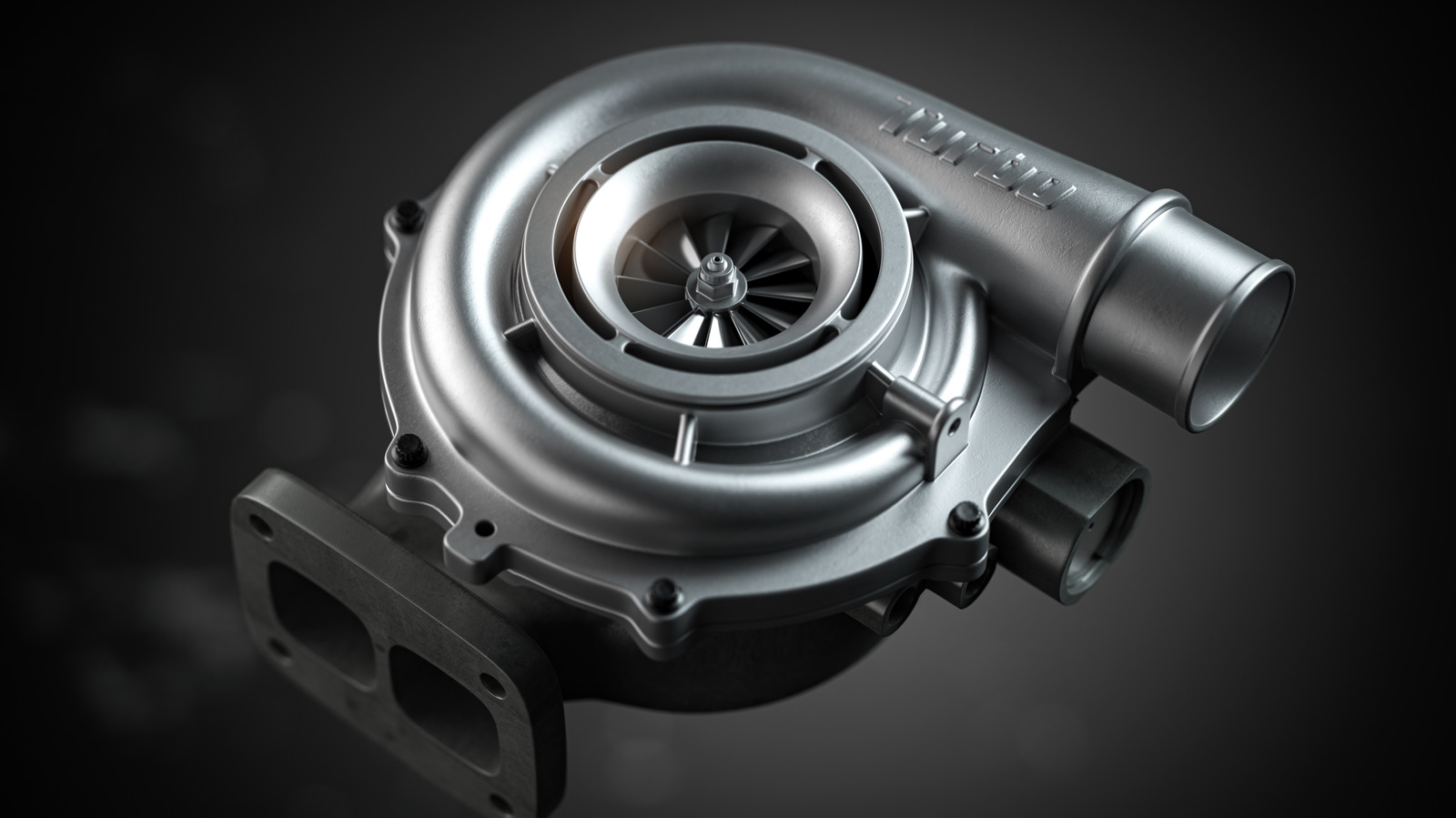
Turbocharged engines pack a big punch from a relatively small package, but they also ask for a little respect. Short drives can be surprisingly rough on them because the turbo runs scorching hot, relies on clean oil flow, and hates being shut down before it has a chance to cool off.
A turbocharger works by using exhaust gases to spin a turbine and cram more air into the engine. That extra air means more power from less displacement, which is the whole appeal, but it also means the part is dealing with extreme heat, fast-moving parts, and a steady need for lubrication.
When a turbo has been working hard, the temperature can climb high enough to stress the metal itself. Repeated heat cycles can slowly warp components, loosen tolerances, and create leaks that chip away at boost pressure until the unit stops doing its job the way it should.
Oil is where the trouble really starts to snowball. If the engine is shut off right after a hard run, the oil sitting inside the turbo can bake into carbon instead of flowing away and cooling things down. That burned residue can clog passages, contaminate intake parts, and leave behind a smoky mess that no driver wants to smell coming from the tailpipe.
Short trips make the problem worse because the engine often never reaches full operating temperature. Cold oil moves less freely, and the turbo may still be heat-soaked from the last burst of hard driving, so the system ends up trapped in that awkward middle ground where it is hot enough to cook oil but not fully warmed up enough to manage the heat cleanly.
That is why a quick run up a hill or a brief errand with some spirited throttle can do more harm than a calm drive across town. The heat is still there, the turbo is still spinning hard, and the shutdown comes before the cooling cycle has time to do its thing.
The fix is refreshingly simple: give the engine a short idle before switching it off. About a minute or two is often enough after a hard burst, because that keeps oil moving through the system and lets the cooling setup start pulling heat away from the turbocharger instead of letting it sit and cook.
This matters even more after long, demanding drives. Towing, highway pulls, and heavy acceleration can leave the turbo blazing hot, and cutting the engine immediately after parking can set up the kind of oil burn and carbon buildup that slowly gnaws at performance.
If the damage has already started, the repair path depends on how bad things have gotten. Fresh oil, new filters, and a thorough cleaning of the intake and exhaust side can help, while deeper buildup may call for checking coolant condition, flushing the oil system, and looking over parts that trap grime or restrict flow.
Diesel setups deserve extra attention too, since clogged exhaust-related components can create their own headaches and put even more strain on the turbo system. The takeaway is simple enough: turbochargers can deliver serious power, but they reward drivers who give them a little breathing room at the end of a hard run.
