
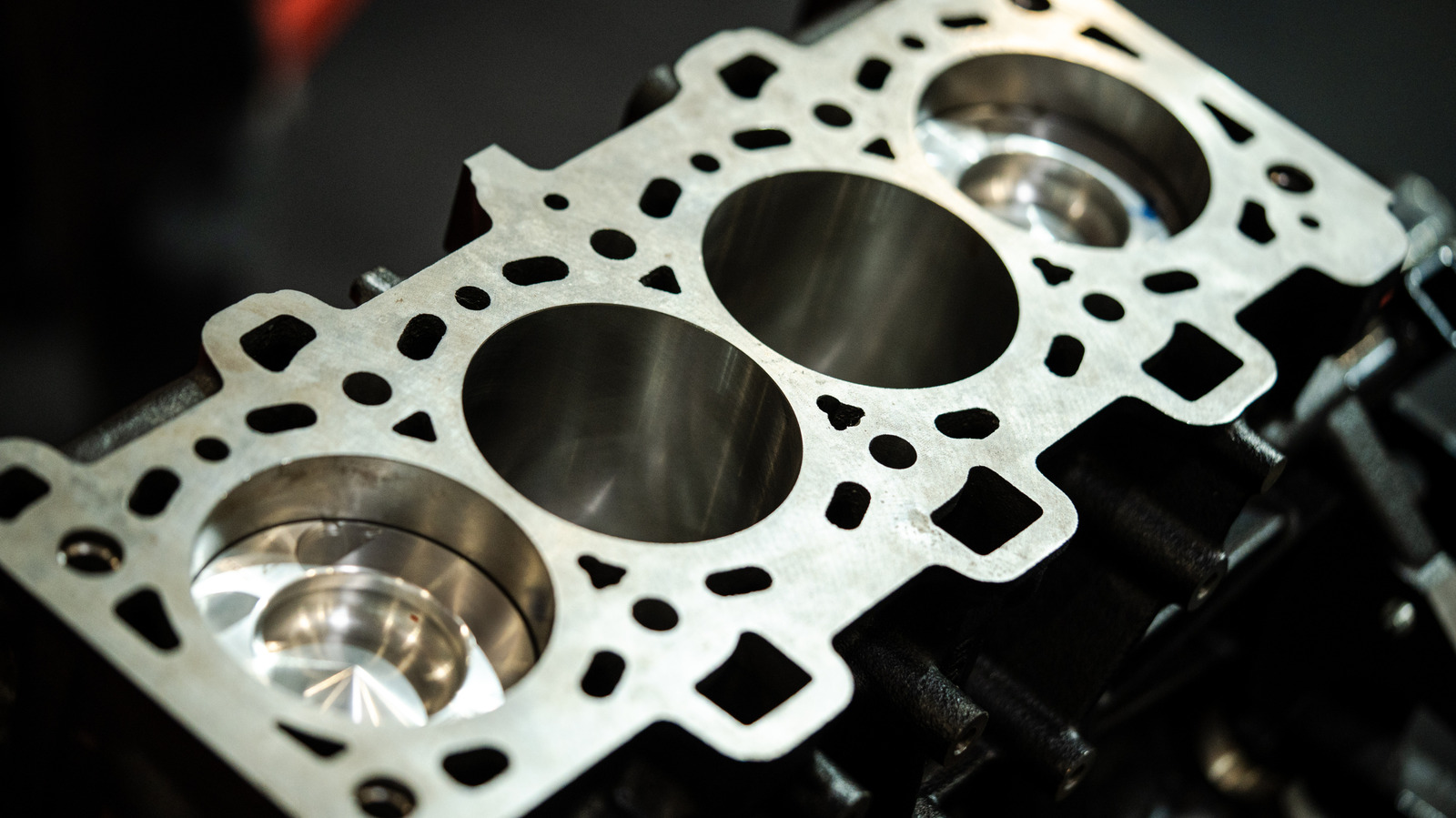
I’ll weigh the real differences between three and four cylinder engines, explain performance and efficiency trade offs, talk about packaging and cost, and give practical advice for buyers deciding which layout fits their priorities.
Most drivers assume a four-cylinder engine automatically means better performance and refinement, but that thinking skips a lot of nuance. Engine count alone doesn’t dictate how a car feels or costs to run; design choices like stroke, turbocharging, balancing shafts, and tuning matter far more. Modern engineering has blurred the lines, so the choice is about priorities, not a simple hierarchy.
When people talk about smoothness, they usually mean how the engine vibrates and sounds at idle and under load. Four cylinders are naturally balanced in many configurations and often feel calmer without extra hardware, while three cylinders are inherently unbalanced and can need balancing shafts to tame vibrations. That added hardware can close the refinement gap but also changes weight and complexity, so manufacturers pick solutions that hit target price and comfort levels.
Fuel economy and emissions are big reasons three-cylinder engines have become popular, especially with turbocharging in the mix. Smaller displacement and fewer moving parts reduce frictional losses, and when you add a turbo you often get the low-end torque of a larger engine without the steady fuel penalty. Real-world gains depend on driving style though; in heavy throttle use or when boost is constantly called on, the efficiency edge can shrink.
Performance is less cut-and-dried than you’d expect. A tuned three-cylinder turbo can deliver punchy low-end torque and surprising power for its size, while a well-built four-cylinder can offer smoother high-rpm behavior and more linear power delivery. For buyers who love revving and desire a smoother power curve, four cylinders often feel more predictable, but for everyday driving a modern three-cylinder can be just as enjoyable and much more economical.
Packaging, weight, and cost are where three cylinders shine offensively. With one fewer cylinder the engine is shorter front-to-back, lighter, and cheaper to manufacture, which helps automakers hit lower price points and improves interior packaging in compact cars. Those savings can translate into lower sticker prices or allow brands to allocate budget to other features, like better infotainment or safety tech, rather than a marginally smoother engine layout.
Talk about durability and maintenance flips the script again: fewer parts might sound simpler, but concentrated loads and higher thermal stresses from small displacement turbos can change long-term wear patterns. Reliability ultimately comes down to engineering priorities, cooling systems, lubrication, and service intervals rather than cylinder count alone. That means a well-designed three-cylinder can outlast a poorly designed four-cylinder, and vice versa.
How an engine feels behind the wheel also depends on mounts, NVH insulation, and chassis tuning, so the same three-cylinder badge can feel totally different across brands. Market trends show manufacturers are comfortable shipping three-cylinder units in everything from tiny city cars to midsize crossovers, so consumer acceptance has climbed as refinement improved. Enthusiasts still debate aesthetics and sound, but most buyers reward economy and utility more than raw engine count these days.
If you’re shopping, think about what matters most: prioritize a three-cylinder if you want lower price, lighter weight, and better highway economy with modern turbo tech, and pick a four-cylinder if you demand smoothness at idle and linear high-rpm response. Pay attention to test drives at different speeds, check torque curves rather than peak horsepower numbers, and look at warranty and maintenance schedules to understand real ownership cost. Make the decision based on real-world use, not an old rule of thumb about cylinders.
