
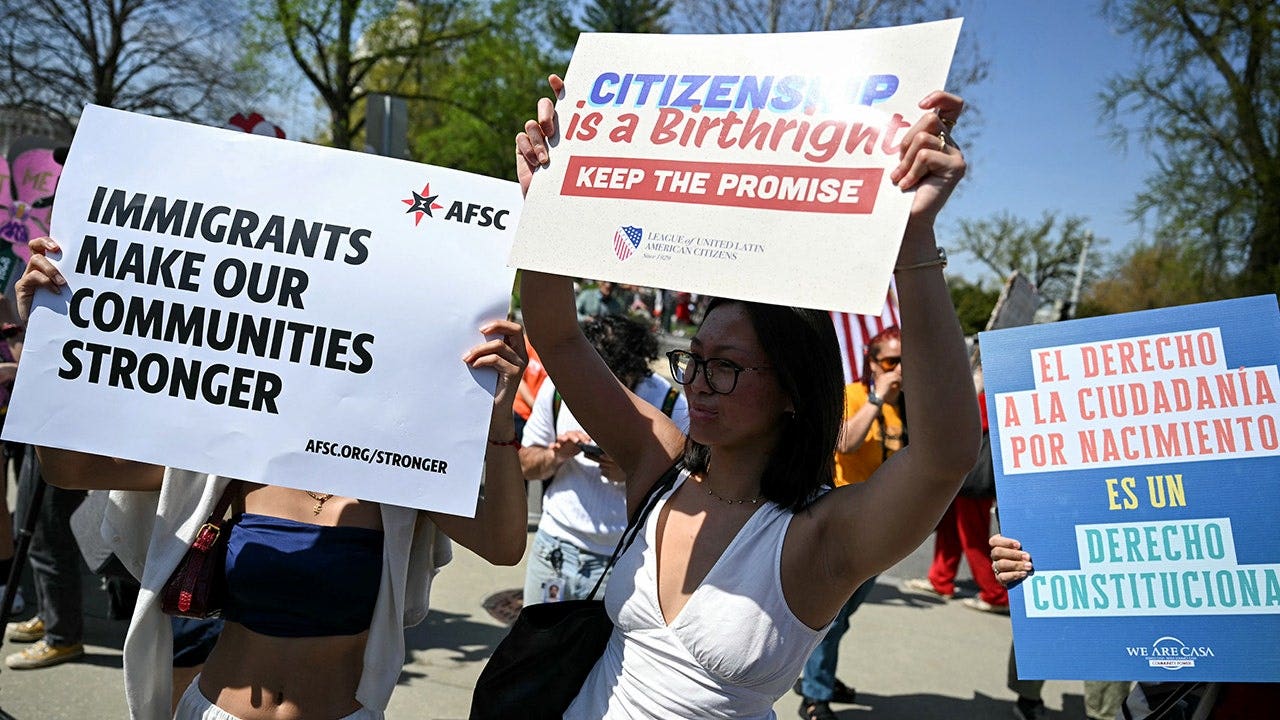
White House pressure is colliding with another court ruling in the fight over birthright citizenship, and the latest decision has reignited a familiar national flashpoint. A federal judge has again stepped in to pause President Donald Trump’s effort to tighten citizenship rules for children born in the United States, while the administration is blasting the ruling as judicial overreach and promising the policy still fits within constitutional bounds.
U.S. District Judge Deborah Boardman issued a preliminary injunction against Trump’s Aug. 6 executive order, calling it “almost certainly unconstitutional” as applied to the group covered by the case. The ruling came after the Supreme Court had already weighed in on the broader birthright citizenship dispute in Barbara v. Trump, making this latest legal move another sharp turn in an already bruising battle.
Boardman had previously blocked Trump’s original order before the justices entered the picture, and this time she said the government was trying again to strip citizenship from children the high court had already recognized as citizens at birth. Her view was blunt and unforgiving, with the opinion stressing that the administration could not simply relabel the same fight and expect a different constitutional outcome.
The revised order targeted children born to parents the government considers alien enemies, including members of designated foreign terrorist groups, along with children born through surrogacy arrangements involving foreign parents. That narrower framing did not persuade the plaintiffs, who argued the policy still sweeps too broadly and invites mistakes that could hit children who have done nothing wrong.
At the center of the case were concerns that the government’s definition of enemy ties could be stretched too far, too fast. Plaintiffs pointed to examples where family connections, tattoos, or shaky allegations could end up influencing who gets flagged, which the judge treated as more than a theoretical problem.
Boardman also focused on the human cost, saying the denial of birthright citizenship would create irreparable harm if children were left in limbo during the litigation. The opinion emphasized that even a temporary loss of citizenship could leave lasting damage for children and their families, especially when the question involves identity, security, and legal status from the moment of birth.
The White House answered in its usual no-nonsense style, calling Boardman an “activist judge appointed by Biden attempting to thwart President Trump’s commonsense agenda.” Spokeswoman Lauren Bis said the executive order is consistent with the Supreme Court’s own reasoning, signaling that the administration sees the ruling as not just wrong, but predictably wrong.
The Supreme Court’s June decision matters here because it settled the constitutional question in favor of birthright citizenship for children born in the United States to parents who are unlawfully or temporarily present. That decision raised the bar for any new White House effort, and Trump’s team responded by trying to carve out a more specific version of the policy aimed at what it sees as dangerous exceptions.
Supporters of the injunction say the judge was right to shut the door before the government could enforce a sweeping interpretation. One of the plaintiffs, Monica, said the pregnancy had been filled with fear that her child could be “born stateless,” a worry that hangs heavy over families whenever immigration and citizenship rules get turned into a courtroom fight.
The administration’s defenders, though, argue the judge leaned too hard on hypothetical abuses instead of the actual wording of the order. Former Justice Department official Abhi Kambli said the legal problem with the challenge is that it attacks the executive order on its face, which means the plaintiffs have to show it is unlawful in every application, not just in hard cases at the edges.
That is where this issue keeps getting tangled: the law is supposed to be clean, but the politics are anything but. Trump has made birthright citizenship a centerpiece of his immigration push, and the courts keep forcing a clash between a hardline policy goal and an old constitutional promise that has become one of the country’s most fiercely defended legal traditions.

1 Comment
No Citizenship to Illegal Invading Aliens and as well no Birthright Citizenship to any babies born in these United States of America by any such foreign born Illegal Invading Aliens that are now in our country by the millions due to the Biden/Harris Open Door Policy for our Borders during that most horrible administrations 4 years of Lawlessness and Globalist Demands by organizations like the WEF or UN!