
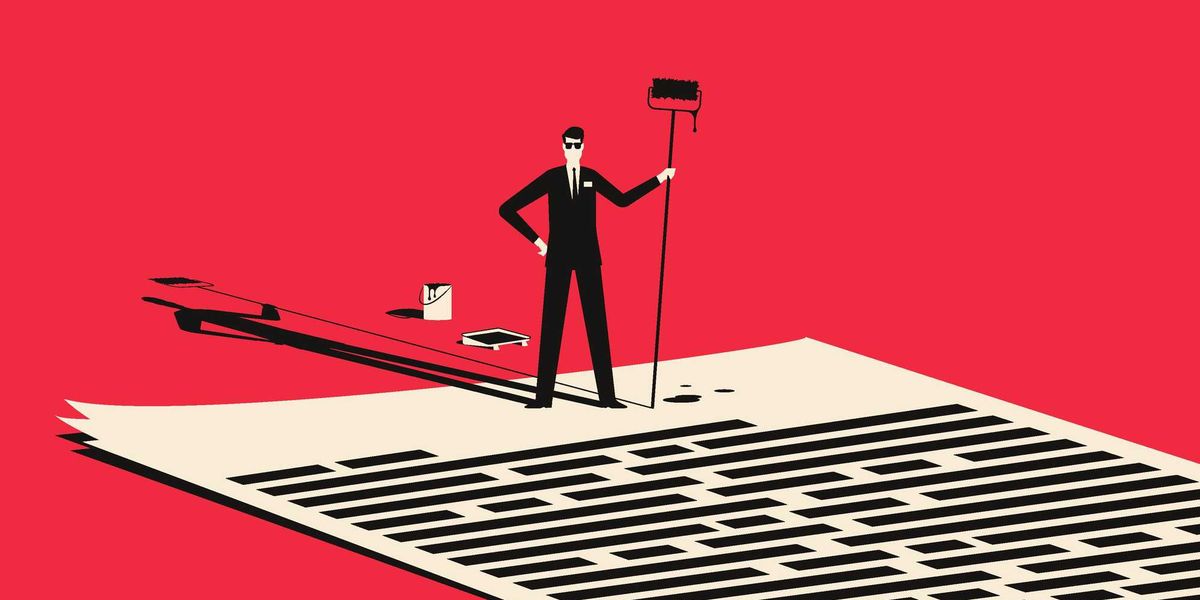
The fight over long-hidden government files has a way of dragging old ghosts back into the light, and this one is no different. At Langley, the pressure is building around records tied to JFK, MK-Ultra, and the broader question of what agencies kept from the public for decades. What looks on the surface like a document dispute is really a battle over trust, secrecy, and whether anyone inside Washington still believes the people deserve straight answers.
Republicans in Congress have been pushing harder on the same basic point: the public has waited long enough. Senators and House members want the files opened, the records preserved, and the stonewalling stopped, especially when the subject involves some of the most sensitive corners of the national security state. That includes everything from the Kennedy assassination files to the CIA’s mind-control era and the newer tangle of claims about how intelligence agencies handled COVID-19 and whistleblowers.
The Langley showdown has also put fresh attention on the way agency power keeps expanding even after scandals should have forced real reform. The CIA, FBI, Homeland Security, ODNI, and Senate investigators all sit inside the same larger argument about who controls information and who gets shut out. For many on the right, this is not some academic debate. It is about an entrenched bureaucracy that has spent years acting like it answers to itself.
That suspicion only gets sharper when the names involved include lawmakers who have made transparency a signature issue. Tulsi Gabbard has repeatedly drawn attention to government secrecy, while Anna Paulina Luna, Eric Burlison, and Ron Johnson have all helped keep pressure on agencies that prefer to move slowly and release as little as possible. When those efforts line up with a broader demand to finally open JFK-related records, the message is plain: the cover-up culture is no longer getting a free pass.
MK-Ultra still lands with a nasty shock because it reminds people that some of the wildest stories about government abuse were not conspiracy theory at all. The program proved that intelligence services can go far beyond the stated mission when nobody is watching closely enough. That history matters now because it feeds the suspicion that today’s secrecy is not protecting the country so much as protecting institutions from embarrassment and accountability.
The JFK files carry their own explosive weight because the assassination remains one of the most discussed and least satisfying chapters in American history. Every new release is treated like a test of whether the government is finally ready to stop hiding behind classification stamps and old excuses. For Republicans who have spent years warning about bureaucratic overreach, the files are more than a historical curiosity. They are a live example of how the state can keep a lid on truth until public pressure becomes impossible to ignore.
That is why the ongoing tension at Langley matters beyond the headlines. If agencies keep dragging their feet, they reinforce the idea that secrecy is the default setting and transparency is something the public has to wrestle out of them one inch at a time. And when those same agencies expect trust on current controversies, from intelligence failures to politicized investigations, the credibility gap only gets wider.
The deeper issue is not just what the files say, but what the struggle over them reveals. Americans have seen enough declassification fights, half-releases, and carefully managed disclosures to know how this game works. When the people demanding answers keep finding new walls instead of real openness, the whole system starts to look less like a republic guarding secrets and more like a machine protecting itself.
