
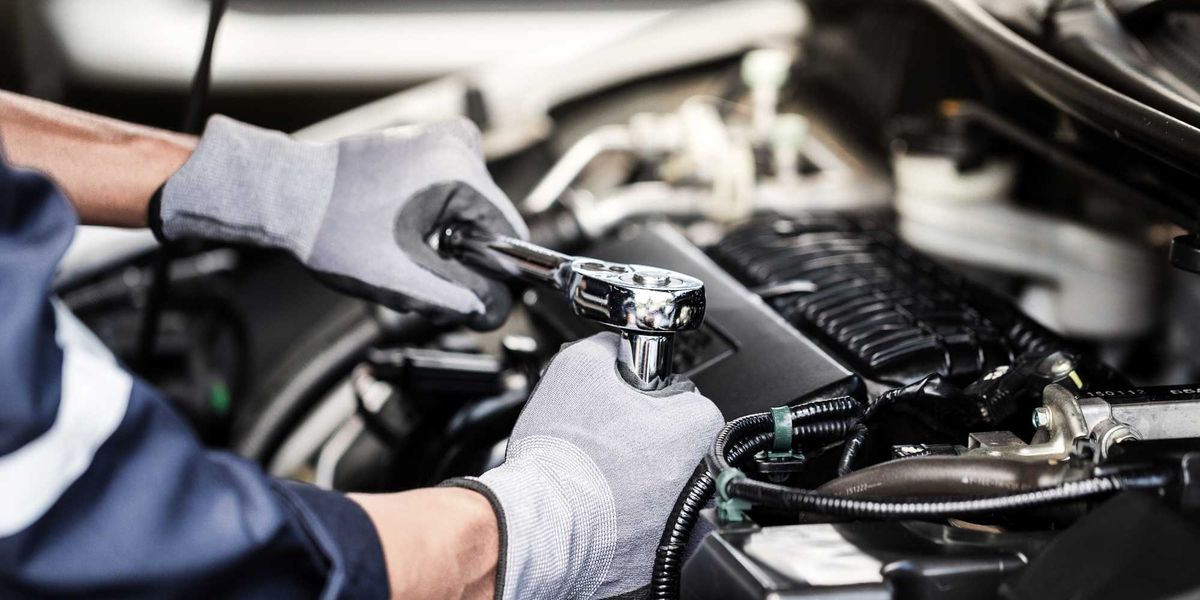
College degrees still carry weight, but they are no longer the only ticket to a solid career. More young people are looking at skilled trades, and one of the biggest standouts is auto repair, where hands-on know-how is suddenly getting a lot of attention. With artificial intelligence shaking up office jobs and white-collar careers, the garage is starting to look like a smart place to build a future.
For a growing number of students, the old script does not feel as convincing as it once did. Four years of tuition, debt, and uncertainty can be a hard sell when a trade can lead to steady work, decent pay, and a skill set that actually holds up when the economy gets messy. That is why the path to becoming a mechanic is drawing in people who might have once been pushed toward a desk instead.
The appeal is not just about money, though that matters plenty. Working on cars offers something a lot of younger workers crave right now: visible results, practical knowledge, and a sense that the job is real in a way a lot of digital work is not. When a person fixes a vehicle, the outcome is obvious, and that kind of satisfaction can be powerful.
Artificial intelligence has added another twist to the conversation. As algorithms take on more tasks once handled by people, especially in offices and tech-heavy industries, many are starting to ask a blunt question about long-term security. A job that depends on physical judgment, diagnostic skill, and human hands looks a lot sturdier when software keeps eating into other fields.
There is also a cultural shift happening. For years, trades were often treated like a fallback option, something to choose only when the college track did not work out. That attitude is fading fast as more families and students realize that good mechanics can earn respect, build a business, and stay in demand no matter what headlines are doing.
Auto repair is not glamorous, and that is part of the point. It is practical, visible, and grounded in problems that need solving every day, from broken brakes to engine trouble that cannot wait. In a world crowded with apps, screens, and remote work buzzwords, that kind of direct usefulness has become unexpectedly attractive.
The demand for skilled workers is not going away either. Cars still break, people still need transportation, and shops still need reliable technicians who can diagnose issues without guessing. That steady need gives the trade a kind of built-in resilience that many jobs do not have, especially as technology keeps reshuffling the labor market.
For students trying to figure out their next move, the choice is getting broader and more interesting. A trade like auto mechanics can offer a quicker start, less debt, and the chance to learn a craft that stays valuable even as the economy changes shape. That is why the garage, once overlooked, is suddenly looking like a very sharp place to land.
