
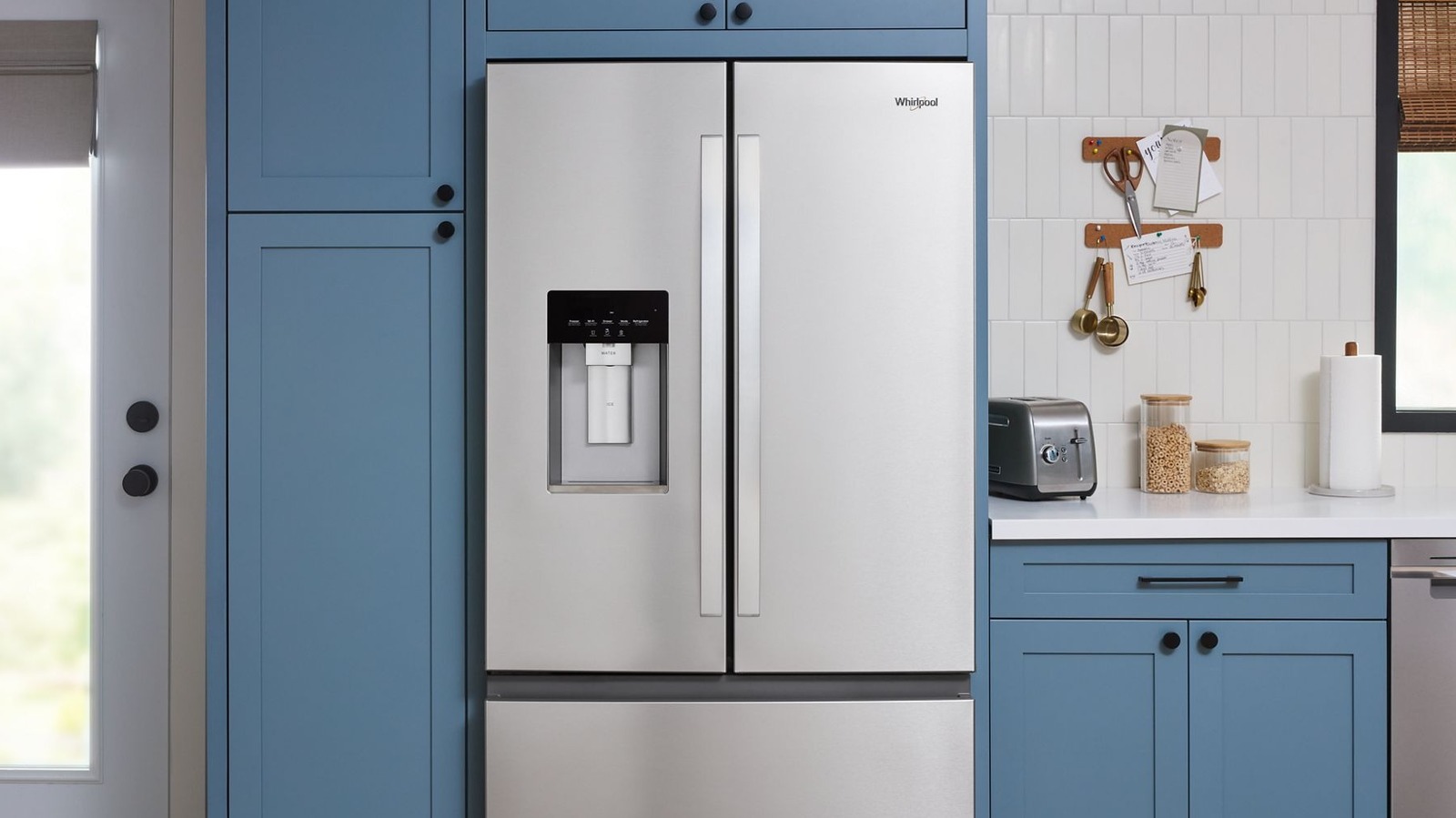
Whirlpool refrigerators are a common choice for households, known for solid design and generally reliable performance, but a handful of predictable problems can steal that peace. This article lays out the frequent trouble spots, how they usually show up, and what sensible next steps look like. Read on to know what to check before calling a technician or buying a replacement.
One frequent issue is inconsistent cooling, where sections of the fridge run cold while others stay warm. That can come from blocked vents, a failing evaporator fan, or a weak thermostat trying to keep up. Simple checks like clearing airflow paths and testing temperature settings often reveal the culprit.
Ice maker headaches are another common complaint, and they tend to show as either no ice or odd clumps of oversized cubes. The problem may be a clogged water line, a bad inlet valve, or a stuck fill mechanism inside the ice maker module. Replacing filters and ensuring the water supply is steady are low-cost fixes that clear up a lot of these cases.
Strange noises can be alarming but are usually diagnosable with a bit of sleuthing. Rattles often mean loose panels or debris in the condenser fan, while humming that turns into clanking suggests a compressor or fan motor issue. Addressing loose parts and cleaning coils can quiet many models without parts replacement.
Water leaks are often traced to simple causes like a blocked defrost drain or a misaligned drain pan. If water puddles under the unit or inside crisper drawers, unplugging the fridge and flushing the drain tube can be a quick win. Persistent leaks, however, point to failed fittings, cracked lines, or door gasket problems that deserve professional attention.
Door seal failures are subtle at first and then suddenly costly when cooling escapes and energy bills rise. A tired gasket or a warped door will let cold air out and force the compressor to run harder. Inspect seals visually and with the dollar bill trick to check for gaps, and replace gaskets that show wear or no longer form a solid seal.
Frost buildup and blocked defrost heaters create a slow decline in performance that often looks like intermittent cooling. If frost accumulates on the evaporator coil or walls, the automatic defrost system may be failing or the defrost thermostat could be out of spec. Repairing defrost components restores normal airflow and helps avoid compressor strain from prolonged ice coverage.
Modern Whirlpool units pack electronics that can glitch, from touch panels that fail to respond to sensors that misreport temperatures. Control boards and sensor replacements are pricier than filters and seals, and diagnosing them often requires multimeter tests or professional scanners. Before swapping parts, try a full power cycle and a factory reset when the manual allows it, since minor firmware hiccups get fixed that way.
Maintenance is where most headaches get prevented: clean coils twice a year, replace water filters on schedule, and keep vents clear of food and frozen goods. If you encounter problems that simple steps do not fix, document the symptoms, model and serial number, and contact a certified repair service. Acting early saves money and keeps your refrigerator running reliably without surprise failures.
