
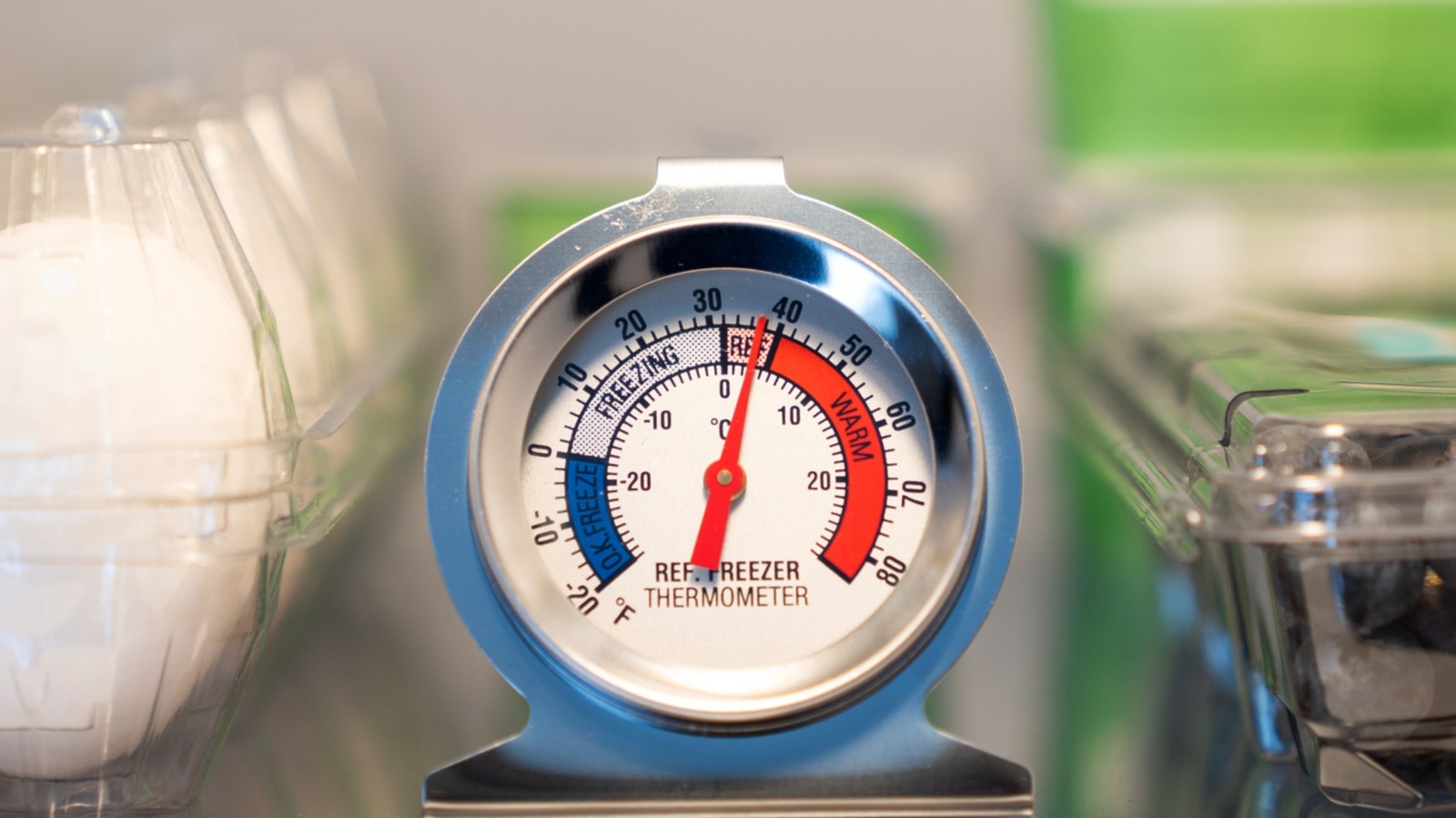
Keeping a refrigerator at the right temperature is one of those simple habits that quietly protects everything inside it. The so-called 40-degree rule is really about food safety, smarter storage, and making sure your fridge is doing its job without turning into a bacteria playground.
The basic idea is straightforward: 40 degrees Fahrenheit is the top end of safe fridge storage, while the sweet spot is usually a little lower. Food safety agencies say that staying at or below 40 degrees helps slow bacterial growth, but many experts prefer a setting around 37 degrees because it gives a little breathing room without pushing food toward freezing.
That narrower target matters more than people think. If a refrigerator runs too warm, milk, meat, leftovers, and produce can spoil faster, and if it runs too cold, some foods may freeze or get damaged near the back of the unit. A middle-ground temperature helps keep food fresh, reduces waste, and can even help avoid a small bump in energy use.
The tricky part is that not every refrigerator makes this easy. Some models have exact digital controls, which is great if you want precision, but many still rely on numbered dials, bars, or vague symbols that do not clearly match real temperatures. That means the setting on the knob is often just a guess unless you check it with a thermometer.
That is why the practical advice is simple: trust the setting, but verify the result. A basic refrigerator thermometer is cheap, easy to use, and worth having if you care about keeping food at a safe temperature. Once it is inside the fridge, you can check whether the actual temperature is where you want it instead of assuming the dial is telling the truth.
This becomes even more important when your kitchen is dealing with seasonal temperature swings. A colder home in winter or a hotter one in summer can affect how hard the refrigerator has to work, which can change internal temperatures more than you might expect. If the appliance sits in a garage or another spot that is not climate controlled, the effect can be even more dramatic.
Even units advertised as garage-ready have limits. In a hot environment, they may struggle to keep food safely chilled, and in very cold conditions they may not prevent items from freezing the way they should. That makes temperature checks less of a nice extra and more of a must-do, especially if the fridge is living outside the comfort of your main kitchen.
Food safety also depends on how long items stay out before they go into the fridge. The two-hour rule is the other big one to remember, and it covers groceries, leftovers, takeout, and even those doggie bags you meant to eat later. If the food is sitting in heat above 90 degrees Fahrenheit, that time drops to one hour, which can sneak up fast during errands, picnics, and road trips.
For longer trips or grocery runs that take you far from home, a cooler can make life easier. Some people prefer traditional ice chests, while others like electric coolers because they cut down on mess and the hassle of melting ice. Either way, the goal is the same: keep food cold enough that it does not drift into unsafe territory on the way home.
Leftovers deserve a little extra care too, especially when you are dealing with big pots of hot soup, pasta, or casserole. Putting a large, steaming container straight into the fridge can warm nearby food and leave the center cooling way too slowly. Breaking leftovers into smaller containers helps them cool faster and makes it much easier to get them safely into the refrigerator before time runs out.
