
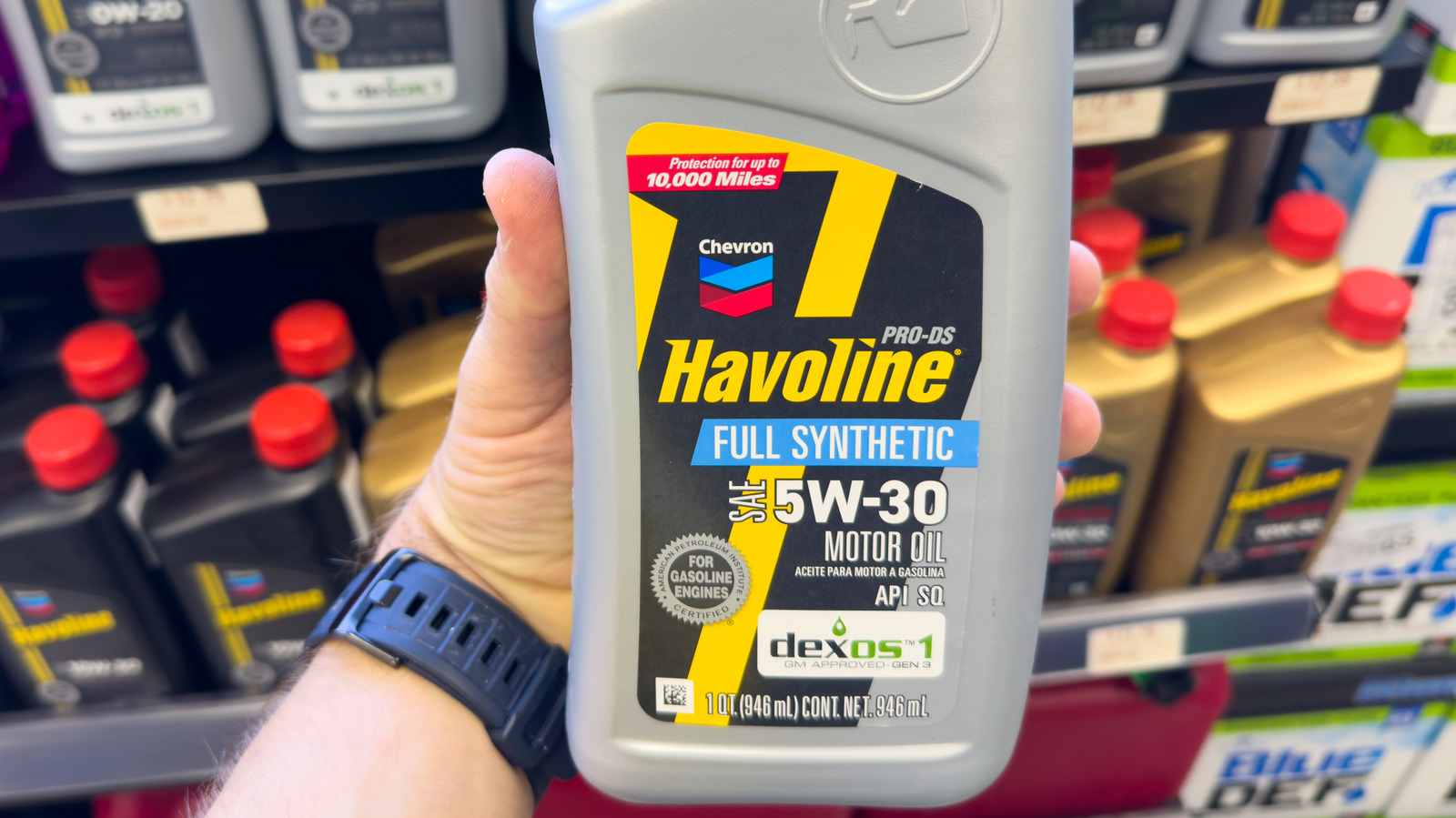
Dexos is one of those labels that sounds technical for a reason. It is not a brand of oil, but a performance standard created by General Motors to separate ordinary motor oil from products that have passed a tougher certification process. That little mark on the bottle matters because it signals the oil has met GM’s requirements for protection, durability, and engine performance.
The idea behind Dexos is pretty straightforward: build a standard that goes beyond the baseline industry rules. GM layers its own testing on top of established motor oil standards, then certifies oils that can handle the extra demands it cares about. In plain English, Dexos means the oil was pushed harder before it earned the badge.
That certification has changed over time, and that matters more than many drivers realize. Dexos1 Gen 3 replaced Dexos1 Gen 2, Dexos D took over for some light-duty diesel needs, and Dexos R is aimed at newer gasoline engines. Older labels may still sound familiar, but the safest move is to match the oil to the vehicle, not just the name on the front of the bottle.
Vehicle manuals still rule the road here. Even if an oil is Dexos-approved, that does not automatically make it the right choice for every engine, since the manufacturer’s recommendations for viscosity and specification still come first. The right oil is the one that fits the engine’s needs, not the one that simply looks premium on the shelf.
There is also a lot of confusion about whether Dexos means longer oil life. The short answer is not automatically, because no single service interval applies to every car or truck. Driving habits, engine design, climate, and manufacturer guidance all play a part, though Dexos oils are built to resist breakdown and hold up well over time.
That resistance to breakdown is part of what gives Dexos its reputation. The certification is meant to help oil protect the engine under real-world conditions, not just in a perfect lab scenario. For drivers who rack up highway miles, deal with stop-and-go traffic, or regularly face harsh temperatures, that kind of extra protection can feel less like marketing and more like insurance.
Pricing can be just as misleading as the label itself. Some drivers assume anything with Dexos on it must cost more, but certification alone does not set the price tag. A non-Dexos synthetic oil can be pricier than a Dexos-approved one, depending on the brand, grade, and where it is sold.
That is why comparing bottles takes a little more attention than many people expect. Two oils can look similar at a glance and still differ in certification, formulation, and cost. The smart play is to check the exact grade and the approval list before paying extra for a name that may not offer anything your engine actually needs.
Dexos also reaches beyond GM vehicles in a practical sense. Some automakers allow Dexos-approved oils if they line up with the needs of their engines, which is why the label can show up in more places than just a GM garage. Still, that does not mean every Dexos product is a universal fit, and assuming otherwise can lead to the wrong oil choice fast.
What makes Dexos worth paying attention to is the combination of testing, consistency, and engine-focused design. It is a reminder that motor oil is not just motor oil, and the small print can say a lot about how the product is meant to perform. For anyone grabbing a bottle off the shelf, the real answer is usually sitting in the owner’s manual, waiting to save the engine from a bad match.
