
The Church is facing a fierce internal reckoning, and voices are calling parishioners to respond rather than retreat. This piece examines the claim that some leaders are silent or complicit in the crisis, the call to steadfast presence inside the Church, and the spiritual promise that motivates perseverance. It reflects on a prominent public appeal and the devotional language that fuels resistance. Expect sober diagnosis and a clear summons to faithful action rooted in tradition and prayer.
Observers describe the Body of Christ as suffering under wounds that seem to come from within as much as from outside. The critique centers on ministers who should be guardians yet are accused of enabling harm, or of failing to act when scandal arises. That sense of betrayal has driven many lay people to reexamine where their allegiance lies and what it means to be a legitimate child of the Church.
A recent public address from a well-known Catholic commentator struck a raw tone, refusing euphemism and calling for a direct response. The rhetoric is urgent but not merely bitter; it frames the moment as a test of fidelity. Instead of resignation, the speech casts this as a turning point where ordinary Catholics must decide whether to cede ground or to stand their ground inside the life of the Church.
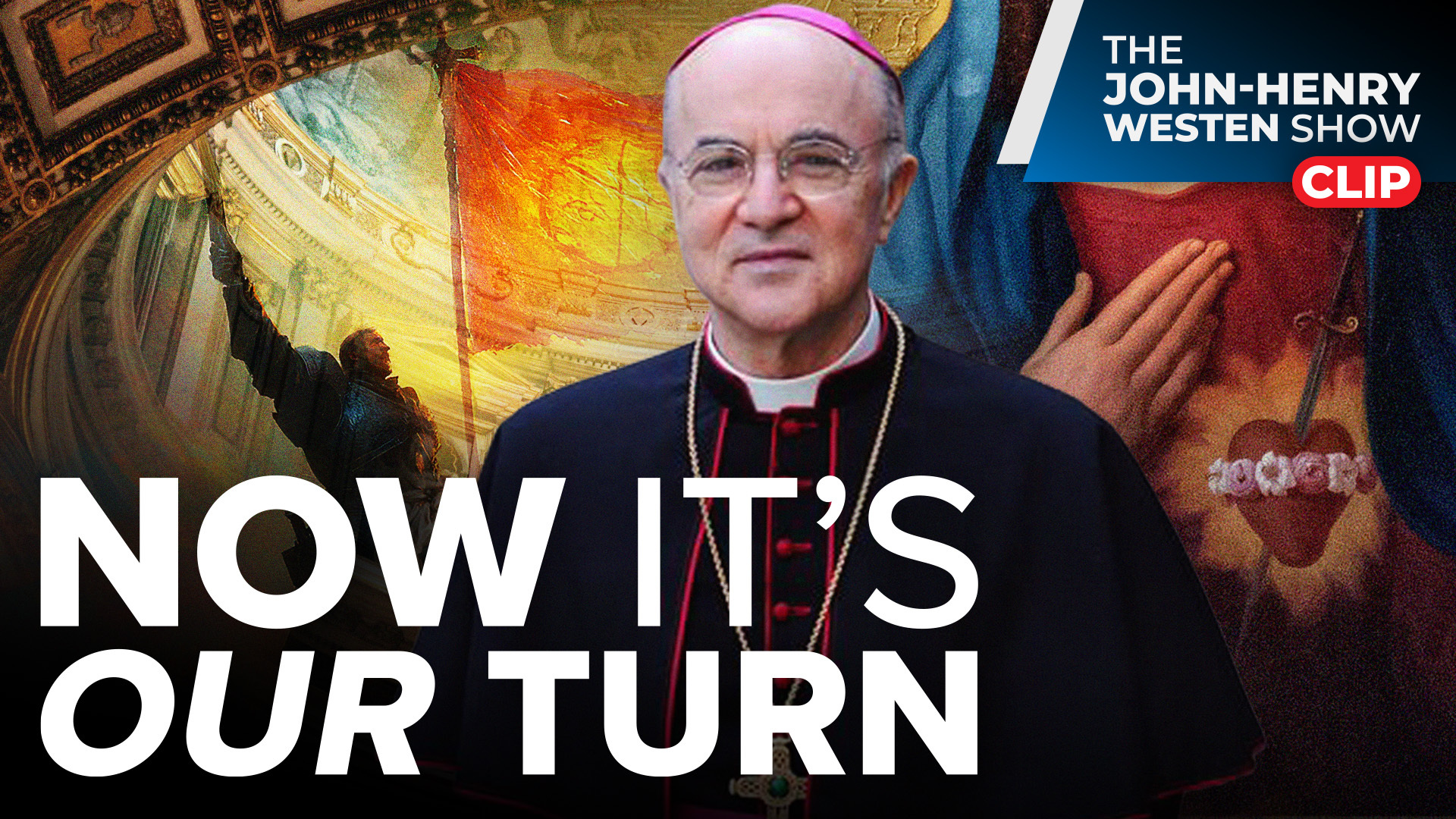
Quoting a high-profile prelate, the speaker declares, “Now it’s our turn.” Those words are presented as both an exhortation and a claim of responsibility by the faithful. They are repeated not as a slogan but as a moral imperative: the call is to remain, to witness, and to work for renewal without abandoning membership in the Church itself.
At the heart of the appeal is a devotional conviction about Mary expressed with traditional titles: the Immaculate Heart, Co-Redemptrix and Mediatrix of all graces. That language locates the struggle within a larger spiritual drama, one that promises eventual triumph through prayer and perseverance. For those who accept these terms, the crisis becomes a stage for Marian intercession rather than a reason for despair.
Critics of the current state of affairs point to a mix of cultural pressures, institutional failures, and political missteps that have compounded the problem. They argue that reform requires more than rhetoric; it needs sustained attention to doctrine, liturgy, and pastoral care. Yet the tone of the address insists that technical fixes alone will not heal what is essentially a spiritual wound.
The suggested remedy blends firm presence with prayerful action: stay in the pews, hold leaders accountable through legitimate channels, and strengthen parish life where possible. Lay involvement in catechesis, sacramental life, and mutual support is presented as the practical backbone of any recovery. Those who feel alienated are urged to test their conscience and consider whether withdrawal serves the greater good.
This moment is framed as an invitation to courage and continuity rather than a permit for departure. The speaker and many supporters emphasize that true reform grows from fidelity, not from exile or headline-driven revolt. For them, the promise of eventual renewal is both spiritual and communal: a conviction that perseverance within the Church, sustained by prayer and organized lay effort, can contribute to healing and renewal without abandoning core identity.
