
Carl Daikeler found a way to drop 15 stubborn pounds after 50 without living on rabbit food or swearing off the fun stuff. His routine leans on two structured meals earlier in the day, a looser dinner, and a practical attitude that leaves room for pizza, doughnuts, and real life.
Weight loss in midlife can get frustrating fast, especially when the scale refuses to budge and old habits start feeling louder than motivation. Daikeler, the 63-year-old co-founder and CEO of BODi, says he had to stop chasing perfection and start building a routine he could actually live with.
He’s blunt about his preferences, and that honesty is part of why the approach stands out. Healthy eating, in his world, is not about pretending kale suddenly became exciting or forcing a strict plan that falls apart by Friday.
Instead of overcomplicating things, he made breakfast lighter and more functional. The swap centers on a nutrient-dense shake with protein, fiber, prebiotics, probiotics, greens, spinach, and banana, coming in at roughly 250 calories.
That kind of move sounds almost too simple, but simplicity is the point. A small, repeatable breakfast can take the pressure off the rest of the day and cut down on the calorie creep that sneaks in when mornings start with a big, easy meal.
Lunch follows the same logic, only with more chewing involved. Daikeler goes with a large salad built around baby spinach, carrots, chicken, and toppings that make the whole thing feel less like a punishment and more like a meal.
He doesn’t try to pretend it’s some magical bowl of virtue either. The trick is making the greens tolerable enough that the habit sticks, which beats a perfect diet that gets abandoned the second cravings show up.
That early-day structure creates what he calls freedom at dinner. After keeping breakfast and lunch tight, he gives himself a “day pass” to eat what he wants later, as long as he keeps alcohol in check.
This is where the plan gets appealing for a lot of people. Dinner is when life happens, and a routine that allows for a real meal with friends, family, or just a badly needed comfort plate is a lot easier to keep than a plan built on nonstop restraint.
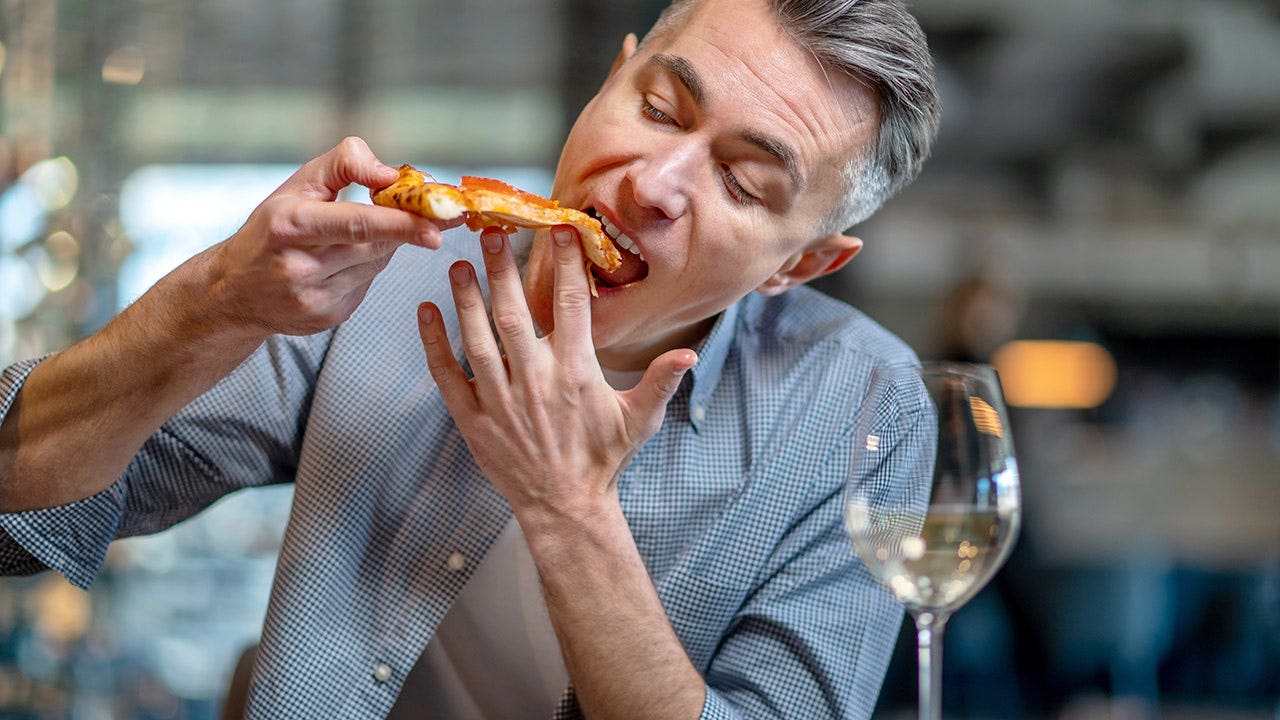
Daikeler is not shy about the foods he likes, either. Pizza is still on the table, and so are doughnuts, only now the portions are smaller and the mindset is sharper.
That attitude matters because people often treat favorite foods like forbidden treasures, which usually backfires. A slice of pizza or a quarter of a doughnut can satisfy the craving without turning into a full-on spiral, and that difference adds up over time.
His bigger idea is less about dieting and more about health span, the stretch of life where energy, mobility, and quality of life still matter. Longevity sounds good, but staying active and feeling decent while getting older is the part that actually changes the day-to-day.
He also makes a point that resonates with a lot of people who have tried and failed at rigid eating plans. If a routine feels too restrictive, it tends to snap, and when it snaps, the whole effort can go with it.
That’s why his method lands somewhere between discipline and sanity. It trims enough earlier in the day to make a difference, but it doesn’t turn every meal into a test of willpower.
There’s also a reminder here that no single approach works for everybody. Different eating plans can help with weight loss, but the best one is the one that fits a person’s health needs, preferences, and ability to keep going without burning out.
For people trying to get unstuck after 50, that can be the real breakthrough. A plan that leaves space for normal food, normal cravings, and normal life can feel a lot less dramatic, and a lot more doable, than chasing an extreme version of healthy that never quite sticks.
