
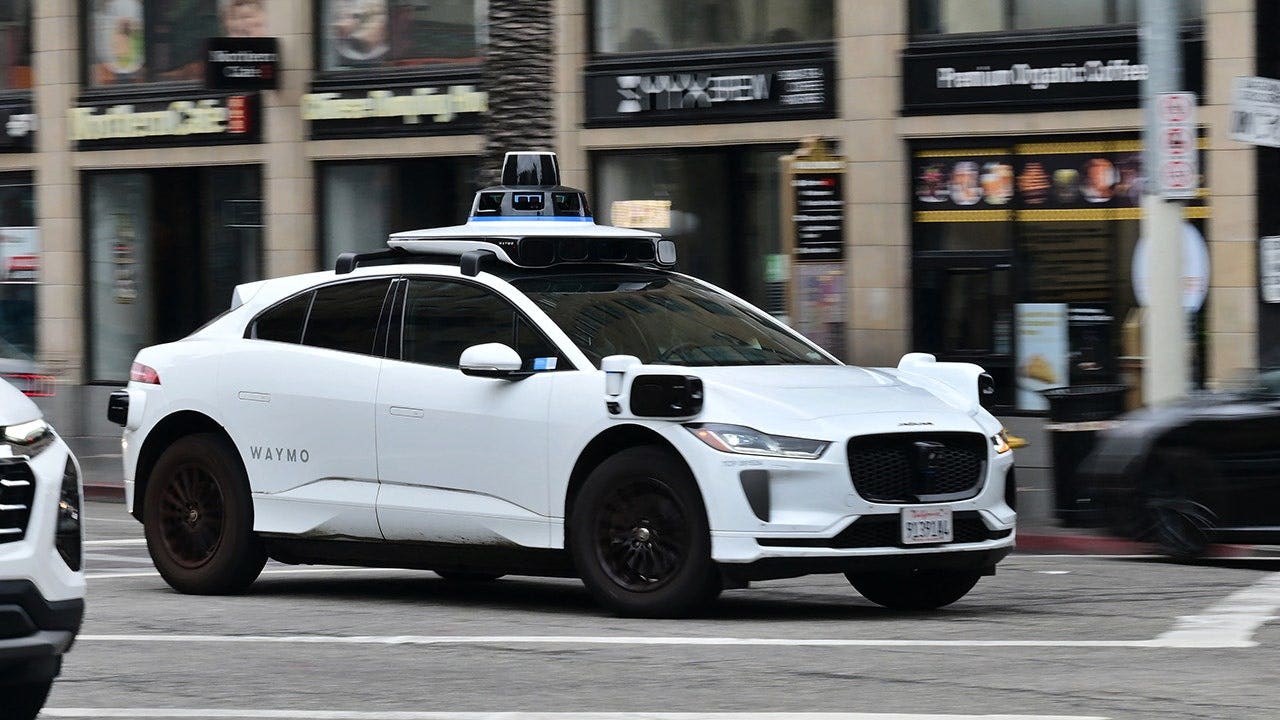
A brazen early-morning burglary in San Francisco took a modern twist when the suspect stepped into a Waymo robotaxi and drove off without a human behind the wheel, raising messy questions about evidence, privacy and how police can use data from autonomous vehicles. Officers described the case as an “open and active investigation” after a store employee reported items stolen and a vehicle used to flee the scene. The incident highlights how everyday crimes can collide with new technology and leave investigators scrambling for usable leads.
Police say a person slipped into a fitness studio in the Marina neighborhood, grabbed activewear and exited in less than three minutes before getting into a waiting robotaxi. Witnesses had no driver to flag or question, and the car simply completed the ride like any other app-requested trip. That lack of a human presence at the wheel turns what would normally be a routine witness account into a data problem for detectives.
Investigators obtained a search warrant for the ride company’s account records and any footage stored from the vehicle, but those leads did not immediately point to a clear suspect. Authorities noted that the company no longer had interior video available by the time the warrant came through months later. With the vehicle’s internal footage gone, the case shifted back toward old-school police work rather than a neat digital trail.
The outside-facing cameras presented another snag: faces were blurred for privacy, which is a double-edged sword. Those blur protections are designed to protect people who had nothing to do with the crime, yet they also can obscure the very evidence police need. The tradeoff between protecting privacy and preserving investigative value is suddenly urgent where robotaxis operate.
Waymo has said it analyzes law enforcement requests carefully and that its sensors are meant to help the vehicle navigate, not to identify individuals through facial recognition. The company also maintains that its systems can detect a person without matching that person to a specific identity. That distinction matters because a camera that can see but not identify can leave gaps when officers are trying to link a suspect to a given ride.
There are practical hurdles beyond footage availability and blurring. A ride can be booked with stolen details, a burner phone or a throwaway account, so trip payment and profile info may not lead to the actual rider. Even when account records exist, timing and retention policies determine whether the footage and metadata survive long enough to be useful. Those policies vary and are not always transparent to law enforcement or the public.
This episode shows how quickly a criminal tactic can adapt: instead of needing an accomplice with a getaway car, a person can order an autonomous vehicle and disappear into the city without ever interacting with another human. For investigators, that can mean more questions than answers — did the account belong to the suspect, was the phone compromised, and what exactly did the vehicle capture during the critical minutes?
The San Francisco Police Department said officers responded on Jan. 9, 2026, to a business on the 3300 block of Fillmore Street regarding a burglary that occurred at about 4:07 a.m. Police said an employee reported that an unknown suspect burglarized the business, stole items and fled in a vehicle. They described the matter as an “open and active investigation” and noted, “No arrest has been made at this time.”
For city officials and regulators, the case raises questions about rules for how long video and sensor data should be kept, how privacy protections should be balanced with public safety, and what standards govern company responses to lawful requests. Those discussions will determine whether similar incidents are solved faster or become recurring mysteries where data exists but can’t be used. The policy stakes are real as robotaxis move beyond pilot zones and into everyday service.
Riders should also take practical precautions because a driverless ride still leaves a digital trace. Treat the cabin like any connected space: avoid sharing sensitive personal info aloud, check account and trip histories, and use payment methods that offer fraud protections. If you ever feel unsafe during a trip, use the app’s safety features and record trip details in case they’re needed later.
This case is a reminder that surveillance does not automatically equal solvability. Cameras can fail to capture the decisive moment, footage can be overwritten, blurred or tied to accounts that lead nowhere, and privacy rules can block easy access to what a vehicle recorded. The collision of high-tech transport and everyday crime demands clearer rules so police, companies and the public all know where the line between privacy and evidence should be drawn.
