
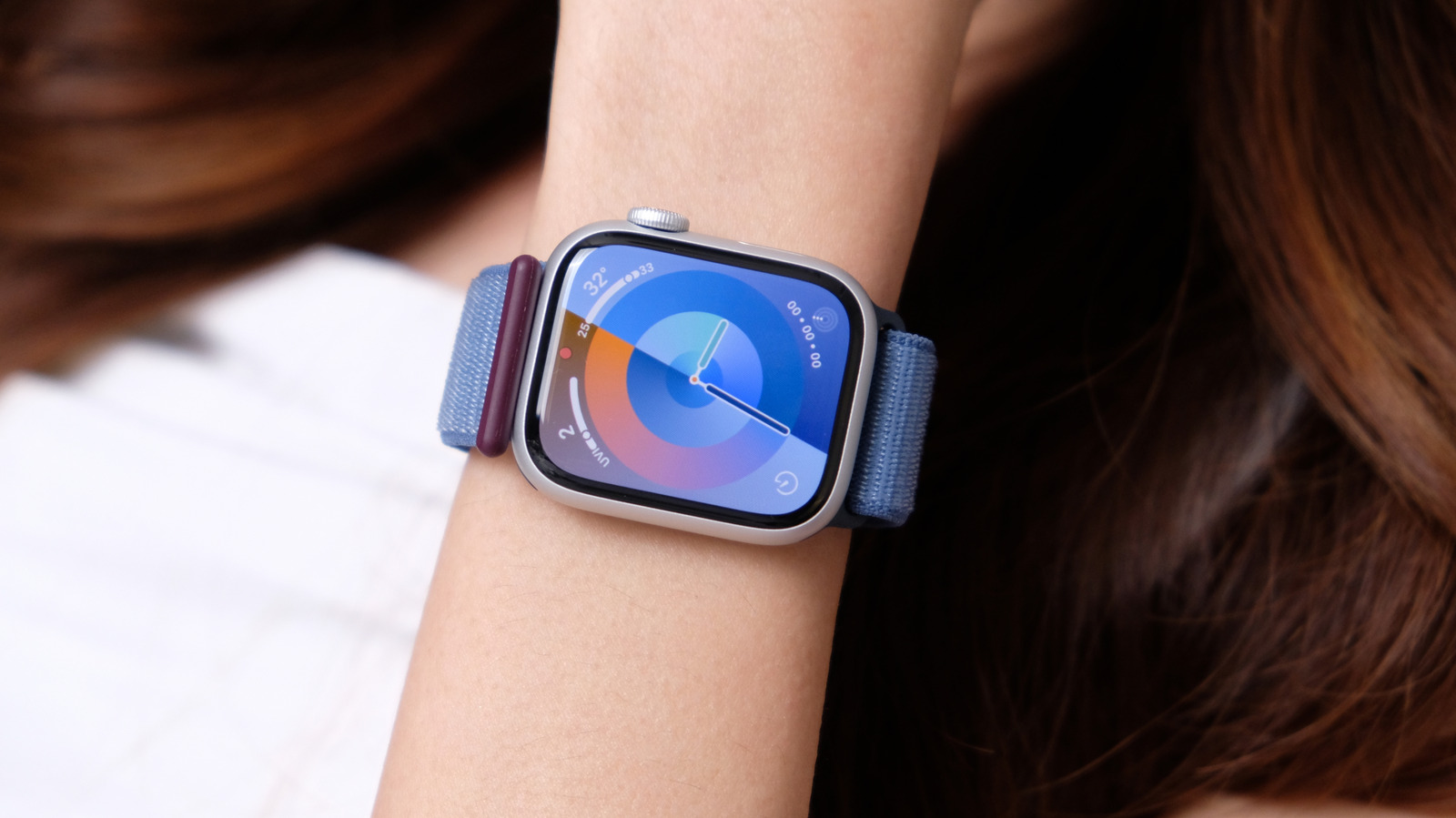
Apple has revealed watchOS 27, bringing a fresh set of features to its smartwatch lineup, but one high-end model won’t get the new AI capabilities. This leaves owners asking which watches are compatible, why that premium device was left out, and what to expect if yours makes the cut.
watchOS 27 packs upgrades aimed at smarter notifications, improved on-device intelligence, and tighter integration with the iPhone. Apple framed the release as a move toward more helpful, context-aware interactions on your wrist. Yet the rollout highlights a growing gap between what the software can do and what older or particular hardware can support.
Some owners of premium smartwatches woke up to find their devices missing the headline AI tools. That exclusion isn’t necessarily a snub; it usually points to hardware limits like processing power, memory, or specific sensors. When AI features need more horsepower, companies have to choose where to draw the line.
Battery life is often the casualty when advanced AI runs on a small device, and manufacturers avoid shipping features that would turn a daily charger into a constant requirement. Thermal management is another invisible limit—sustained processing heats a tiny device quickly. Apple balances new functions against real-world usability, and that balance sometimes means cutting a model from a feature list.
Compatibility checks are simple in spirit: the watch’s model and OS version matter most. Apple tends to publish a compatibility list alongside major updates, and the Settings app will let you know if an update is available for your watch. If your smartwatch doesn’t see AI functions after the update, it’s likely a hardware or region restriction rather than a bug.
For folks with the excluded premium model, the options are straightforward but not always welcome. You can stick with the current feature set, knowing your device will still get security and performance patches. Or consider an upgrade if the new AI features are a priority and your budget allows it.
Developers also feel the ripple effects when a high-end device is sidelined. They must test across fewer hardware configurations and avoid leaning on sensors or processing that aren’t universally available. That constraint can slow the pace of innovation for some third-party watch apps, but it also encourages efficient coding that runs well on a wider range of hardware.
Apple’s explanation for the exclusion will matter to owners deciding whether to keep or replace their watch. If the company points to specific technical hurdles, the decision is mostly practical. If the reason is opaque, frustration can grow among users who paid a premium expecting full-feature parity.
The big picture is that wearables are still evolving fast, and software ambitions sometimes outpace hardware realities. watchOS 27 shows what the future might hold for on-wrist AI, even if not every model can ride that wave right now. For now, check your watch’s model, follow Apple’s update prompts, and weigh whether the new features are worth an upgrade when the time comes.
