
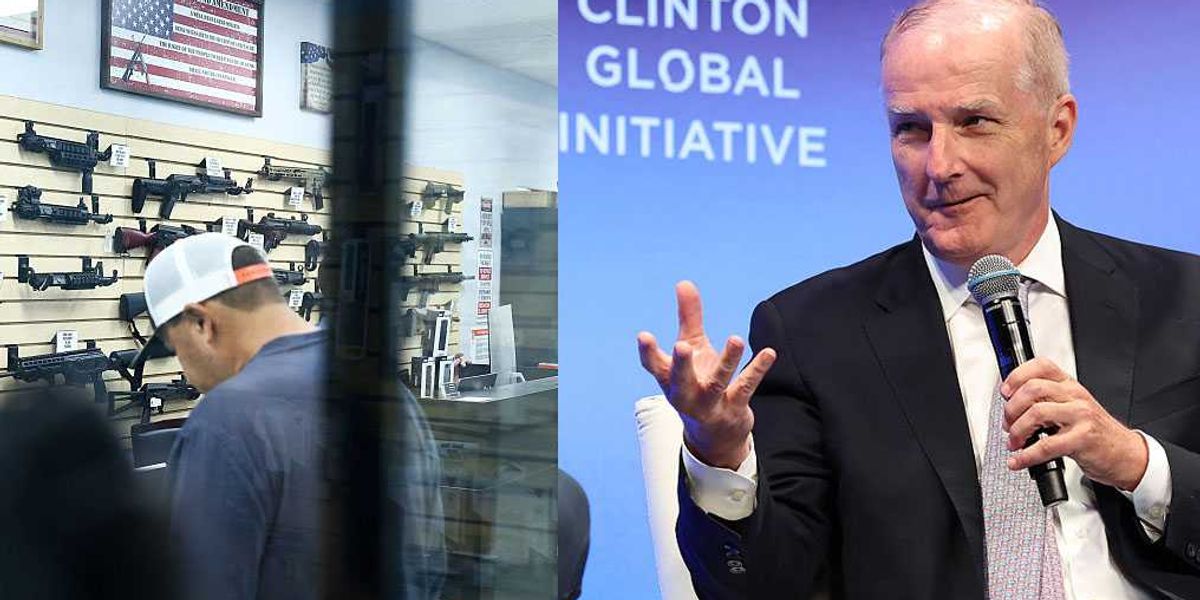
Washington’s latest gun debate is setting off alarm bells for plenty of residents who see the proposal as less about safety and more about piling on new barriers. The fight centers on a Democrat-backed plan that would add cost, paperwork, and fingerprinting requirements for people who want to buy a firearm, and critics say it is exactly the kind of move that turns a constitutional right into a privilege.
The idea has stirred up a familiar split in the state. Supporters frame the proposal as a public safety measure, while opponents see a direct hit on lawful gun owners who already follow the rules and pay the price for it. That tension is now front and center as the conversation spreads beyond political talking points and into everyday concerns about privacy, access, and basic freedom.
At the heart of the issue is a demand that residents provide fingerprints and pay extra just to shop for a gun. That setup has drawn sharp criticism because it treats ordinary citizens like suspects before any purchase is made. For people who believe the Second Amendment means what it says, the move feels like another step toward making lawful gun ownership harder, slower, and more expensive.
Republicans and gun-rights supporters argue that this is the wrong direction for a state already known for pushing aggressive restrictions. They say lawmakers keep reaching for new rules that mainly burden people who obey the law, while criminals who ignore laws will not be stopped by another form or fee. That argument lands hard with voters who are tired of watching government expand its reach while claiming it is only trying to help.
There is also a deeper worry about where all of this leads. Once the state normalizes fingerprints, fees, and extra hurdles for exercising a constitutional right, the next round of restrictions gets easier to sell. That kind of slow squeeze is exactly what gun owners say they are watching, one rule at a time, until the right itself starts to look conditional.
Supporters of the measure will likely insist that more screening means safer communities. But that claim runs into the same problem every time: there is little evidence that stacking requirements on lawful buyers changes the behavior of violent offenders. In practice, the people most likely to feel the impact are the ones who already do everything by the book and still get treated like they need government permission to protect themselves.
Fingerprinting in particular adds a new layer of intrusion that many residents find hard to swallow. Personal biometric data is not a minor detail, and once government collects it, people naturally want to know who has access to it, how long it is kept, and what happens if it is misused. Those questions matter even more when the state is asking for that information simply as a condition for engaging in a constitutional right.
The political stakes are obvious too. Washington Democrats are under pressure from activists who want tougher and tougher restrictions, while many voters are increasingly skeptical of policies that sound tough but hit regular people the hardest. Bob Ferguson and other state leaders are now tied to a broader debate about whether this is sensible policy or just another round of symbolic action aimed at appeasing the loudest voices in the room.
For many residents, the bigger issue is trust. They do not want a state that keeps adding friction between law-abiding people and their ability to buy a firearm, especially when the same leaders rarely focus on the causes of violence that do not fit neatly into a political slogan. That frustration is what gives the pushback its energy, and it is why this issue keeps coming back with so much force.
The debate is not fading anytime soon, because it touches something bigger than one proposal or one statehouse fight. It goes to the core of how much power government should have over a right that the Constitution already protects. And as Washington moves ahead with the discussion, plenty of gun owners are watching closely, wondering how far the state plans to go before enough is finally enough.
