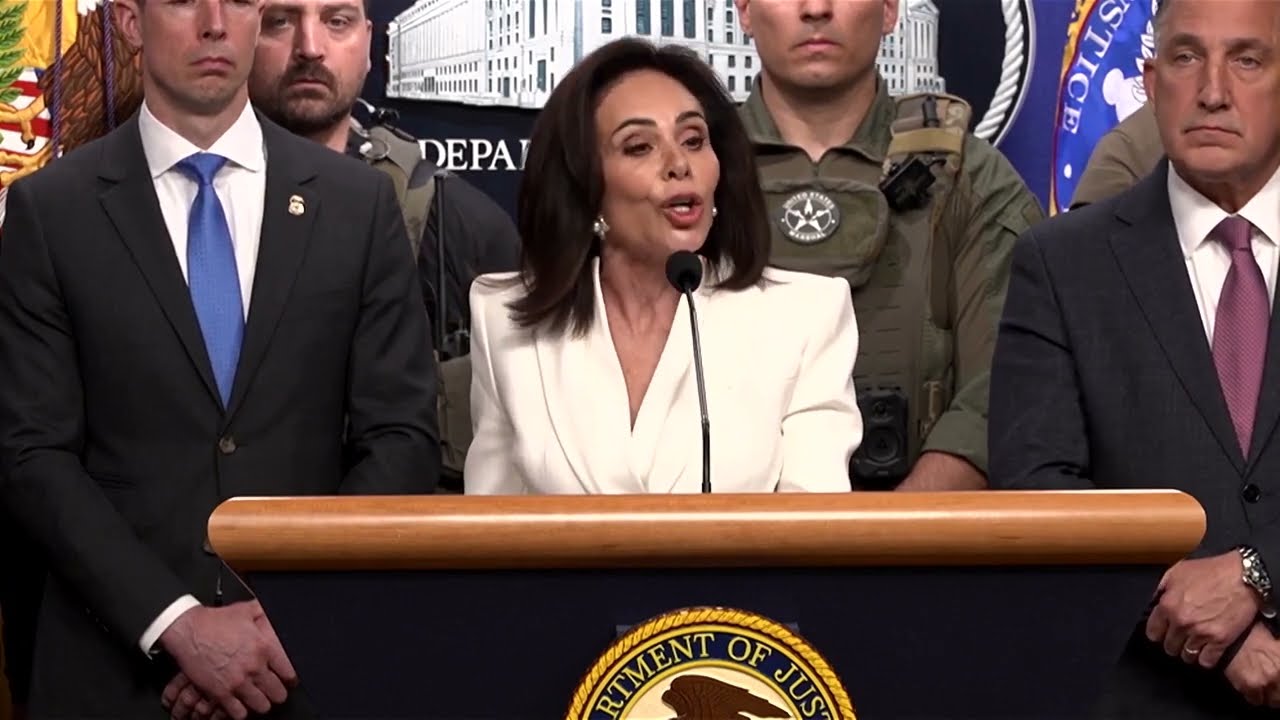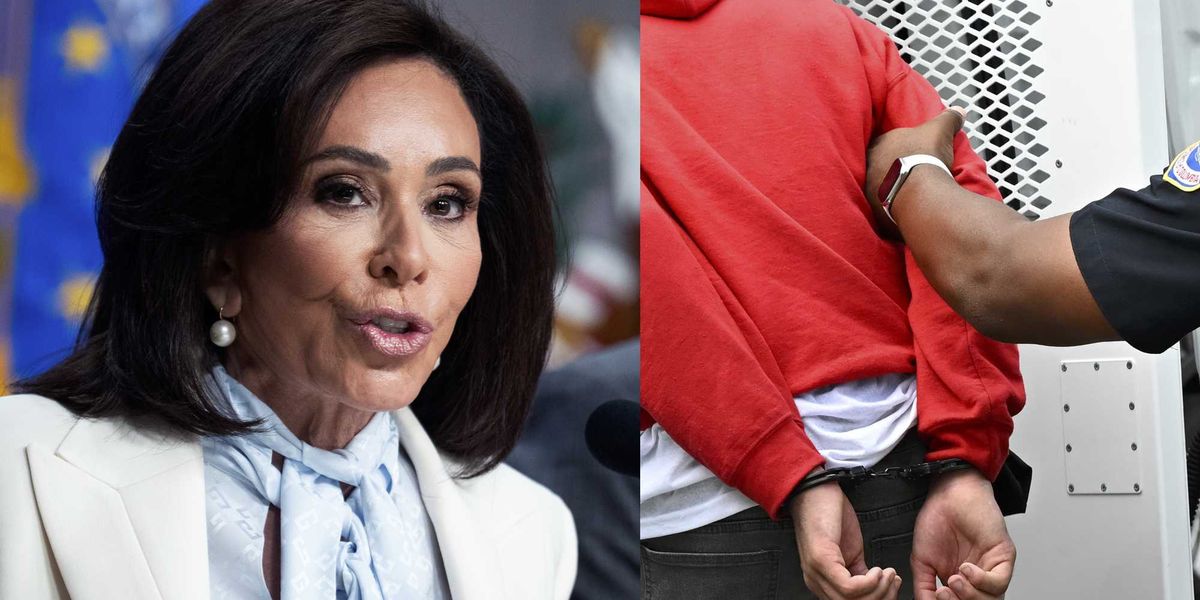
Federal prosecutor Jeanine Pirro has announced a hard line: parents of teenagers involved in recent violent street takeovers in Washington, D.C., will face criminal consequences if they fail to stop or enable the chaos. Videos circulating online show brazen thefts and assaults in public spaces, and Pirro says local curfew laws give her office a way to hold adults accountable. The move highlights a clash between local curfew enforcement and a federal push for parental responsibility. This article lays out what Pirro announced, the potential charges, and what parents might actually face.
U.S. Attorney Jeanine Pirro put the city and families on notice that prosecutors will not ignore the parental role in the weekend violence. Dozens of clips posted to social platforms document large groups of teens converging on hotspots like the Navy Yard waterfront, where robberies and assaults were caught on camera. Law enforcement says the organizers use social media to coordinate times and locations, turning casual nights into patrols of chaos.
Pirro used blunt language to call out a gap no one else seemed willing to name, telling residents and officials that a big part of the problem is who is—or is not—watching these kids. “There is one area that hasn’t been discussed. Parental involvement has been a noted gap in any discussion,” at a media briefing. She left no wiggle room about taking the next legal step.
“And I am here to say, as the United States attorney in the District of Columbia, that ends today,” she added. “Starting today, my office will aggressively prosecute parents under D.C.’s curfew law.” That language signals a shift from merely policing teens to targeting guardians who fail to exercise control or who implicitly encourage the behavior by looking the other way.
D.C.’s mayor has already imposed age-based curfews in response to the takeovers, but Pirro pointed out that those curfew violations are handled by local authorities. That does not preclude me from bringing charges against the parents, she said, making clear her office will pursue adults who contribute to or allow juvenile delinquency. The message is simple: you can have local enforcement for the kids and federal action for the grown-ups who enable them.
Prosecutors will consider bringing charges like contributing to the delinquency of a minor when they find evidence that parents abetted the activity, failed to stop it, or knowingly let their children join in. That can include turning a blind eye when teens skip curfew repeatedly, or failing to discipline and supervise in a way that prevents recurrent offenses. Under the law, the standard isn’t perfection from parents but demonstrable neglect or complicity that fuels repeat harm.
https://x.com/FoxNews/status/2055326776549605474
The penalties Pirro mentioned are meant to be serious enough to change behavior: fines, mandated parenting classes, and even jail time. Parents convicted under the applicable statutes could face up to six months behind bars, depending on how a prosecutor frames the conduct and how a judge weighs the circumstances. The goal from her perspective is deterrence—make the legal consequences sharp enough that families change how they supervise teens.
“To parents, you must supervise your kids or face criminal consequences,” Pirro on social media. “Law abiding taxpayers should no longer have to pay for the chaos caused by parental neglect.” That line taps into a common-sense argument favored by conservatives: responsibility matters, and when adults fail to do their part society pays the price.
This approach will almost certainly provoke debate about overreach, enforcement practicality, and where blame belongs when a teen breaks the law. But for residents tired of seeing public spaces turned into lawless corridors, Pirro’s stance is a clear declaration that grown-ups will be held to account. The coming weeks will show whether prosecutions under curfew and related statutes actually curb the takeover trend or simply add to the legal noise in an already tense city.