
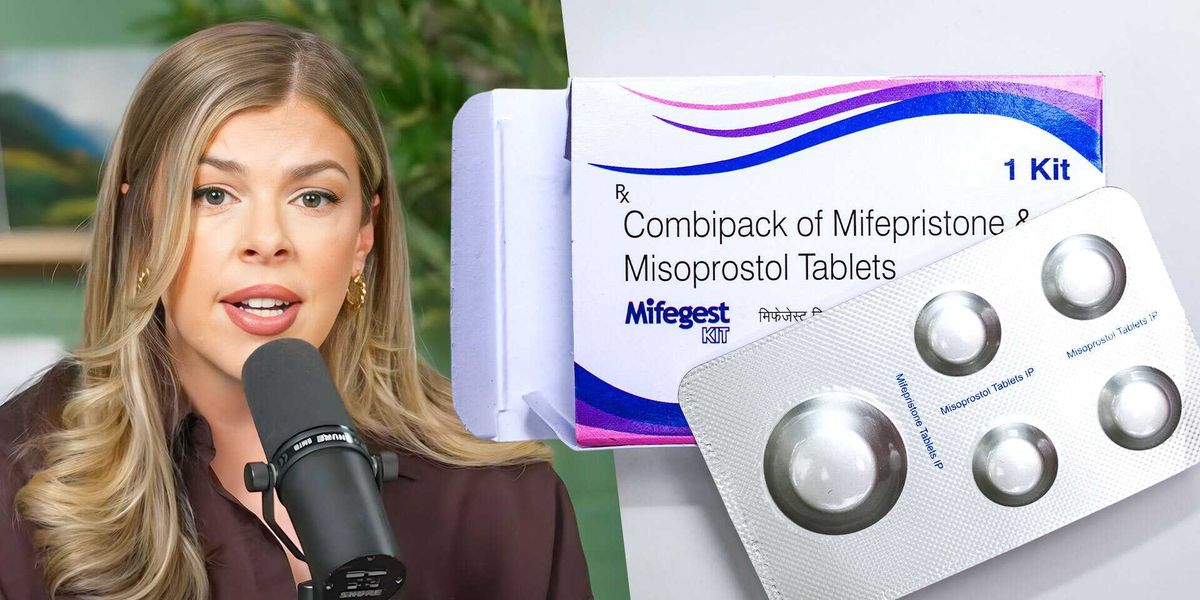
The Fifth Circuit temporarily restored in-person dispensing rules for the abortion pill mifepristone, blocking mail and telemedicine delivery and prompting an immediate appeal to the Supreme Court; the move highlights safety concerns, coercion risks, and federal versus state authority in the abortion debate. This article walks through the court action, the voices pushing for the restriction, why in-person checks matter, and what it means for state pro-life laws and women’s safety.
On May 1, 2026, the appeals court stepped in to require that mifepristone be dispensed in person again, reversing the path opened by the FDA in 2023 that allowed remote prescribing. Conservatives saw the decision as a necessary correction to protect women and unborn children from a system that made chemical abortions widely accessible without basic checks. The manufacturers wasted no time appealing to the Supreme Court, turning the case into a high-stakes legal battle over federal regulatory power and public health.
Dr. Christina Francis spoke plainly about the real dangers behind remote distribution, pointing to a plaintiff who was coerced into a chemical abortion by her boyfriend. “Thankfully, the Fifth Circuit recognized that this is a real, active danger to state pro-life laws, but also to individual women who are being harmed and, of course, pre-born children who are being harmed by these drugs,” Francis explains. That example of coercion is chilling and highlights why some lawmakers and courts want stronger in-person safeguards.
Conservative commentators and legal advocates argued the in-person rule is more than symbolic; it’s a practical check that can interrupt abuse and reveal medical complications. “And so, the Fifth Circuit said, ‘While this case is making its way through the court, we need that in-person dispensing requirement back immediately,’” she adds. The temporary reinstatement is aimed at preventing harm during the pendency of the litigation rather than making a final policy determination.
Critics of mail-order abortion say removing the face-to-face screen eliminates critical safeguards that only a clinician can provide. “But then what happened at the Supreme Court?” Stuckey asks. The appeal forces the high court to weigh in on whether a federal regulatory framework can essentially override state efforts to restrict abortion access through in-person requirements.
Advocates for the in-person rule emphasize medical safety as the central reason for their stance, not just policy preference. “Obviously, we don’t want any babies to be killed with the abortion pill at all, but this in-person visit requirement is a really important, not only deterrent possibly, but also just to preserve the safety of the women who are seeking to use this abortion pill,” she says. That blend of moral and medical concern is central to conservative arguments on this issue.
Medical experts in the conversation point to complications that can arise and the value of a physical exam before dispensing a powerful drug. “Absolutely,” Francis agrees. “So, we know at its baseline, this abortion drug, mifepristone, is inherently dangerous. It’s four times more dangerous than surgical abortions. But that’s when it’s being dispensed in person.” Those words underscore the claim that the drug carries serious risks that require clinical judgment.
Face-to-face evaluation can rule out conditions that telemedicine or a questionnaire might miss, and it introduces a chance to confirm consent in a tangible way. “When a woman has an in-person evaluation by a medical professional,” she explains, it makes sure “they know how far along she is in her pregnancy, ensures that she does not have an ectopic pregnancy, which is life-threatening to her, and ensures that she is actually the one who wants the abortion, that it’s not someone forcing her into that.” For Republicans raising alarms, those are not hypothetical problems.
Beyond individual safety, the case touches on federal reach into areas states have long regulated and on the ability of states to enact pro-life protections. And without in-person dispensing, Francis tells Stuckey that “abortion is essentially legal in all 50 states right now.“ That stark claim frames the legal fight as one with immediate consequences for state laws and for the future of state-level protections.
“This is a federal mandate that is overriding all state pro-life laws right now,” she adds. Republicans arguing for the in-person requirement see the Fifth Circuit move as a defense of state authority and of commonsense medical safeguards, while opponents brand it as an unnecessary barrier to care. The Supreme Court’s response will decide whether temporary safety measures stay in place while the larger constitutional and regulatory disputes are resolved.
