
Public trust does not collapse all at once. It erodes when powerful institutions treat people like props, especially when patients, families, and wounded service members are already carrying enough pain for a lifetime.
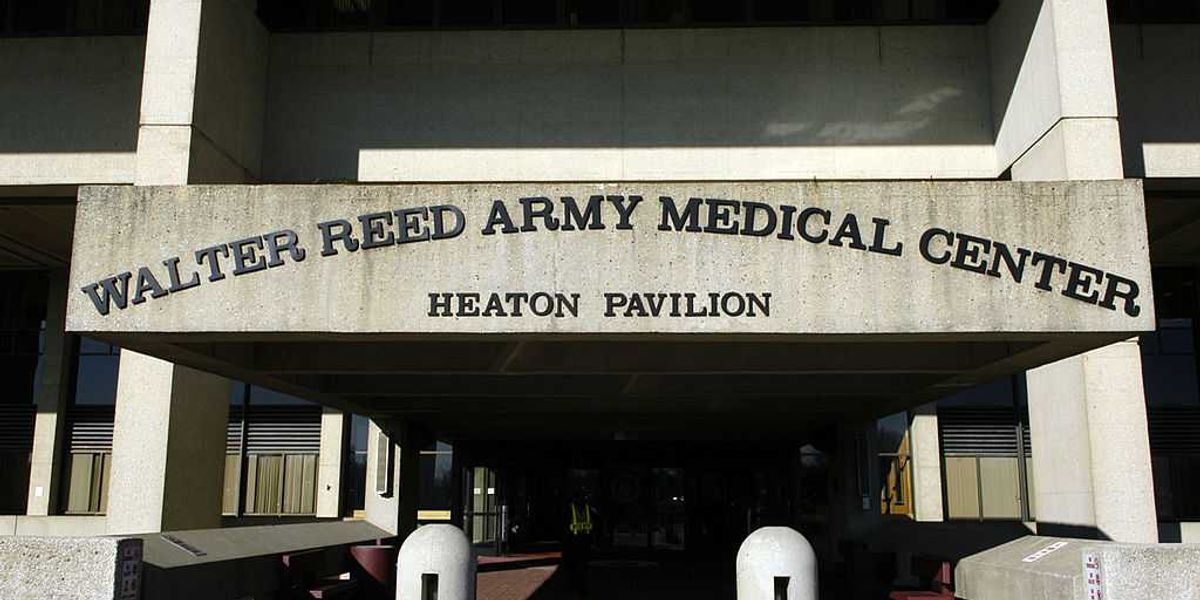
Walter Reed is supposed to stand for care, discipline, and honor. Instead, the bigger issue hanging over the place is how easily media narratives and political theater can crowd out basic decency, leaving ordinary people to wonder who is really being served.
The uncomfortable part is not just what gets said in public, but what gets normalized behind the scenes. When hospitals, elite commentators, and political allies start moving in sync, the public is left with a simple question: is this about medicine, or is it about managing optics?
That question matters because trust is not a luxury. It is the foundation that lets patients believe they will be treated honestly, that families will be told the truth, and that wounded warriors will be respected as human beings rather than used as background scenery.
Walter Reed carries a heavy national meaning, and that makes any hint of gamesmanship even harder to ignore. For many Americans, especially veterans and their families, the institution is not just another hospital, it is a promise that the country will take care of its own when the cost of service becomes real.
Once that promise starts to look shaky, every polished statement sounds thinner. People do not need a lecture on messaging when what they want is competence, transparency, and the kind of straight dealing that makes trust possible in the first place.
The larger culture around major hospitals has not helped. Too often, public institutions get wrapped in layers of prestige, political loyalty, and media protection that make accountability feel optional, even when the stakes are life and death.
That is where the Constitution-minded instinct for limits comes in. Power is supposed to be restrained, especially when it reaches into places where vulnerable people depend on honesty more than public relations.
Doctors and administrators are not just managing schedules and facilities. They are dealing with people who may be frightened, injured, or desperate for clarity, and that means credibility should be guarded as carefully as any medical chart.
When trust breaks down, the damage spreads fast. Patients start second-guessing decisions, families become suspicious of silence, and even good work gets viewed through a cloud of doubt that never should have been there.
That is why the conversation around Walter Reed carries so much weight. It is not only about one building, one administration, or one news cycle, but about whether elite institutions still understand the basic moral duty to tell the truth plainly and treat people with respect.
The public has seen enough slickness to know the difference between care and choreography. And once people sense they are being managed instead of respected, they do not forget it easily.
Wounded warriors deserve better than that. So do the families waiting beside them, the nurses working long shifts, and the doctors trying to do the right thing inside systems that can become more political than humane.
Even now, the pressure remains the same: restore confidence by acting like trust actually matters. Not with slogans, not with spin, and not with the kind of polished talk that evaporates the second real scrutiny shows up.
The standard should be simple enough for anyone to understand. If an institution asks for faith, it should first earn it through honesty, restraint, and a visible respect for the people who depend on it most.
And that is where the real test sits, not in the speeches, but in the daily choices that either protect dignity or chip away at it. At a place like Walter Reed, the difference between those two paths is everything.
