
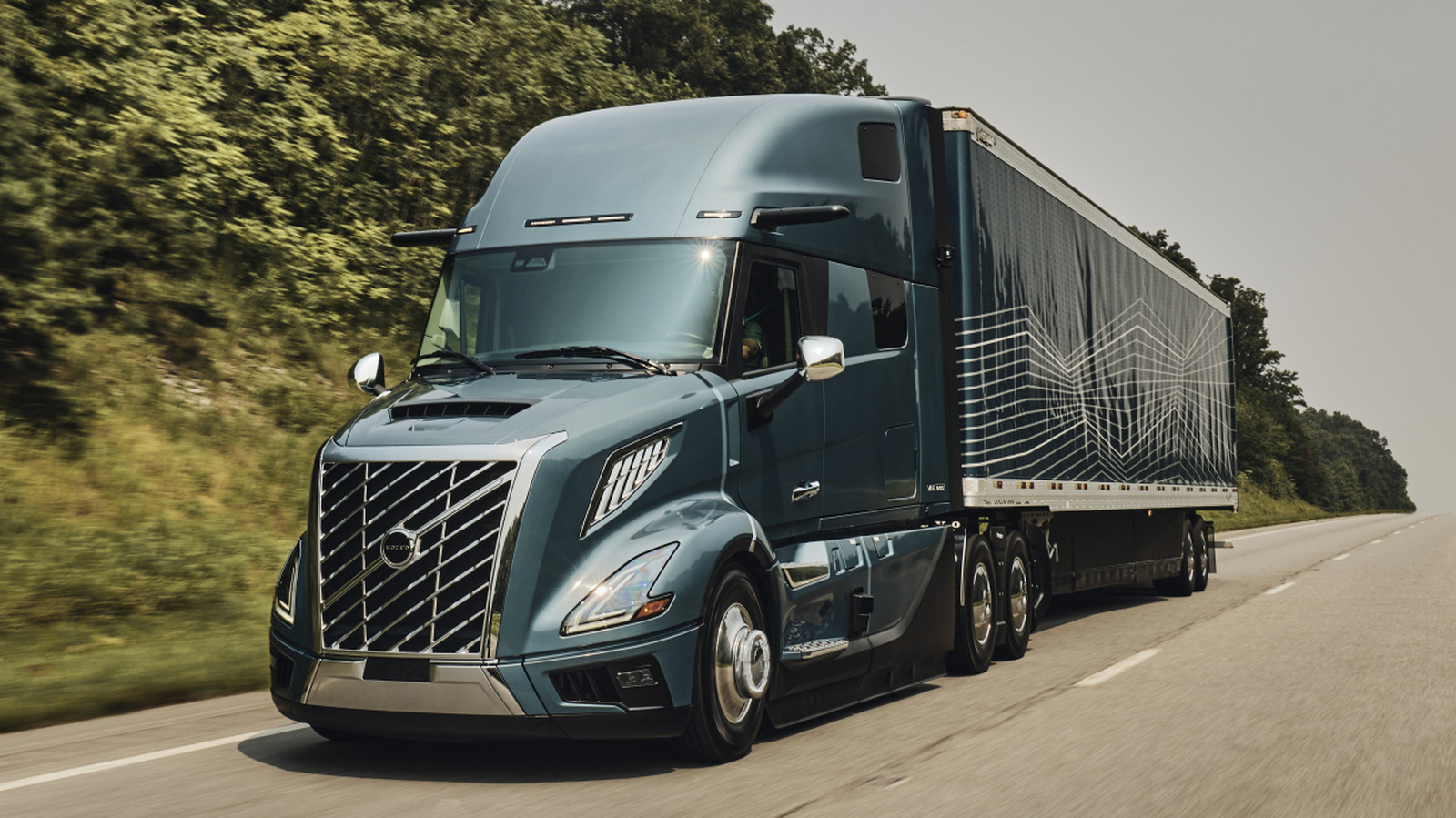
Volvo is best known for safe, comfortable passenger cars, but its commercial arm quietly controls several major semi-truck brands around the world, shaping freight transport with a suite of heavy-duty offerings and a clear push into electrification and automation.
Most people mix up Volvo Cars and Volvo Group, and that confusion hides a big industrial story. Volvo Group runs a cluster of truck marques that serve different markets and purposes, from heavy-haul long-haul rigs to vocational and regional workhorses. That split matters because the commercial side moves at a different pace and scale than the consumer car business.
At the center of the picture is Volvo Trucks, which builds a wide range of Class 8 tractors and regional haulers aimed at global fleets. Volvo Trucks focuses on reliability, uptime, and safety systems that fleet managers actually care about, like telematics and modular service offerings. The brand has leaned heavily into electric drivetrains and battery tech to meet tightening emissions rules and customer demand in urban and regional routes.
Mack Trucks brings a distinctly North American flavor to the group, with tough, purpose-built trucks that appeal to vocational and construction markets. Mack emphasizes durability and simple serviceability, traits valued on job sites and in heavy hauling. Its identity helps Volvo Group cover ground that Volvo Trucks’ more global, tech-forward approach might not fully reach.
Renault Trucks gives the group robust access to European markets and short-haul applications, complementing Volvo Trucks rather than duplicating it. With roots in the commercial bodywork and regional delivery sectors, Renault Trucks fills gaps in vehicle sizes and local dealer networks. Together these brands let Volvo Group tailor product lines and pricing to diverse regulatory and operational environments across continents.
UD Trucks, historically strong in parts of Asia and Oceania, rounds out the portfolio by serving markets that need rugged, cost-effective diesels and reliable service networks. Its presence helps the group tackle price-sensitive segments without diluting the premium positioning of other marques. That kind of brand segmentation gives Volvo Group tactical flexibility when responding to local competition and procurement rules.
Running multiple truck brands under one umbrella creates real efficiencies: shared R&D for powertrains and safety tech, consolidated supply chains, and global after-sales capacity. Yet it also demands sharp brand discipline so each marque keeps a clear purpose and customer promise. The payoff is a broad product catalog that can compete with rivals who use a similar multi-brand strategy to capture regional strengths.
Electrification and automation are rewriting the rules of heavy transport, and Volvo’s commercial division is pushing into both without pretending there’s a one-size-fits-all solution. Battery-electric trucks make sense for short hauls and city deliveries, while long-haul duty cycles still need breakthroughs in energy density and charging infrastructure. Meanwhile, driver-assist and platooning technologies promise efficiency gains that fleets can deploy even before full autonomy arrives.
Competition in the heavy truck market is fierce, with legacy manufacturers and new players fighting over fleet contracts and service ecosystems. Volvo’s structure—separate brands that can be positioned strategically—gives it a solid shot at winning in varied niches. For fleet buyers, that means access to familiar nameplates backed by a global supplier with deep pockets and a long industrial track record.
Service and support remain decisive factors for fleets, and that’s where a large commercial group shines: broad dealer networks, standardized parts, and fleet telematics that actually reduce downtime. Those operational advantages can translate to lower total cost of ownership, which is what truck buyers care about more than brand prestige. In the end, Volvo’s commercial division is built to move goods efficiently, reliably, and increasingly with cleaner propulsion systems that meet today’s regulatory and economic realities.
