
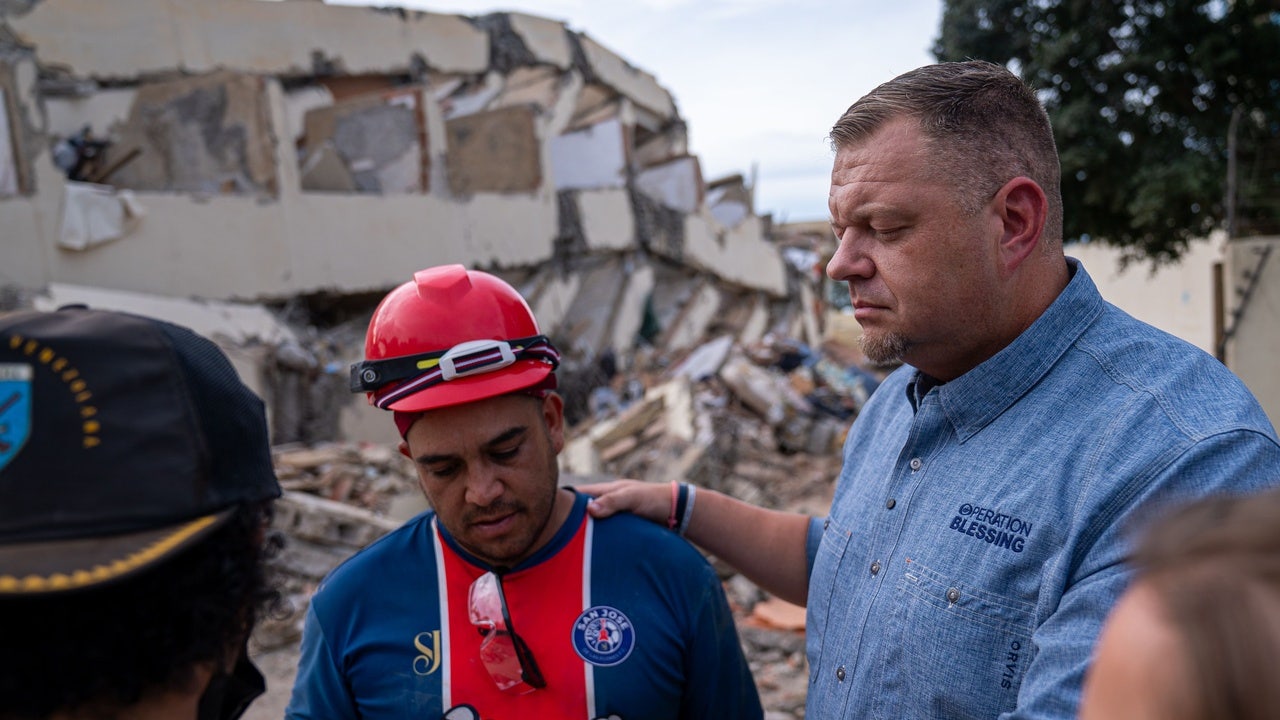
Here’s what I’ll cover: Venezuela’s earthquake damage, the people stepping up to help, the tension between politics and compassion, the power of volunteer aid, and the long road of recovery. The main topic is featured throughout, with the focus kept on the human side of the disaster.
Before heading to Venezuela for earthquake relief work with Operation Blessing, I thought I had a pretty clear picture of what I’d see. Like most Americans, I had absorbed the headlines about political chaos, economic collapse, and a government that seemed stuck in its own mess. That kind of coverage shapes expectations fast, and mine were no different.
Then I arrived and had to rethink nearly everything. Venezuela is a stunning country, but what really struck me was the people. Even in the middle of wreckage and fear, I kept seeing kindness, grit, and a kind of practical generosity that doesn’t wait for perfect conditions.
One of the most powerful things I saw was ordinary people refusing to stand on the sidelines. Taxi drivers drove 10 hours just to join search-and-rescue efforts at ground zero. Families who had lost their own homes were still out there helping clear debris for strangers, because that’s what neighbors do when the world is falling apart.
Churches became lifelines. Volunteers stayed up until 2 a.m. handing out emergency supplies and serving tens of thousands of hot meals from an industrial kitchen we had taken over for relief work. It was messy, exhausting, and deeply moving, but the energy never faded because the need was so immediate.
The biggest surprise was that the first responders were mostly Venezuelans. That matters, because it cuts through the lazy idea that disaster relief only works when outsiders swoop in and save the day. The truth is usually more grounded and more beautiful than that, with local people doing the hardest work first.
There was also a tougher conversation running underneath everything. Some people questioned whether Americans should help at all because of Venezuela’s politics. I get why that reaction exists, but once you’re standing with families who have lost everything, the argument starts to feel cold and distant.
The children sleeping outside did not cause the government’s failures. The parents digging through rubble for family photos did not create the crisis. The volunteers sacrificing their time were not asking anyone to endorse a system, only to recognize suffering when it is right in front of us.
That is where the whole thing becomes larger than one disaster. Humanitarian aid has always been about people first, and that principle still holds up when the headlines get noisy. Americans have a long history of feeding the hungry, caring for the wounded, and showing up after catastrophe, not because every government is worthy, but because people in pain are worthy.
What stayed with me most was the warmth. Everywhere we went, people thanked us for coming, and their gratitude wasn’t political theater or performative noise. It was raw and sincere, the kind of appreciation that comes from knowing someone cared enough to stand beside you when life was at its worst.
That experience also reminded me how much more we have in common than we usually admit. Families everywhere want the same things: safety, shelter, food, and a future for their kids. When disaster hits, those shared instincts rise fast, and the petty stuff falls away.
One conversation has stayed with me since I got home. I learned that some Venezuelans are still displaced from the 1999 Vargas tragedy, which means the effects of a disaster can linger for decades. That reality is hard to shake, because it shows how long recovery can drag on when a community is trying to rebuild from loss layered on top of loss.
That is the part people forget once the cameras move on. Recovery is not a quick emotional beat for the news cycle, it is years of housing, schools, jobs, and basic stability being put back together piece by piece. For the families hit by the latest earthquake, that long haul is just beginning, and they will need help long after the noise dies down.
We cannot fix every problem in Venezuela, and nobody should pretend otherwise. But we can choose not to look away, and we can choose to respond with real compassion instead of political point-scoring. Whether through volunteering, supporting a church relief effort, or giving to a trusted humanitarian group, that kind of help still matters when the rubble is fresh and the nights are long.
