
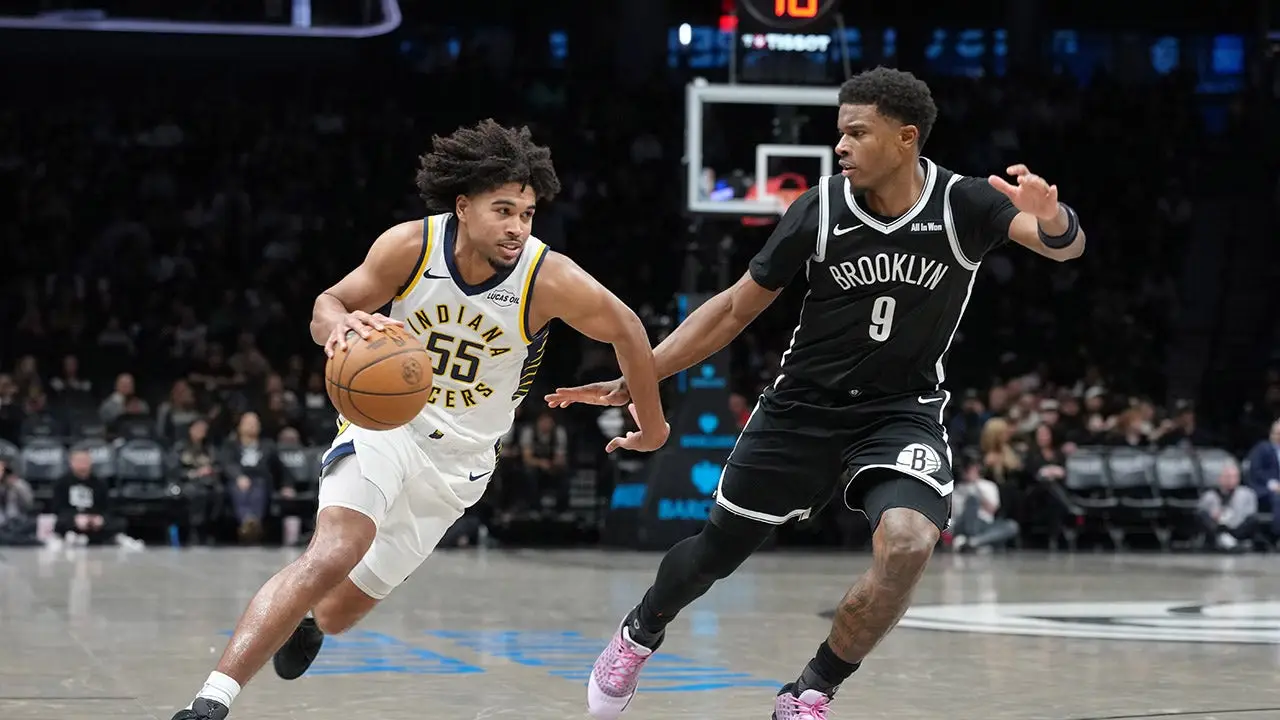
At a recent Indiana Pacers vs. Brooklyn Nets game a short, lively exchange between two fans captured the crowd and then the internet, sparking debate about public behavior, sports culture, and the way we film strangers. The clip put a spotlight on a couple whose animated back-and-forth played out on camera, with the woman insisting the banter “is just how they talk to each other.” What followed online was a fast churn of reactions, cultural takes, and conversations about whether stadium moments should be private or public. This piece explores how that single, spirited moment grew into a broader pop culture ripple and why it matters beyond the final score.
The scene itself was nothing rehearsed: two people amid thousands caught on a wide shot, voices rising and faces animated as the game unfolded. Stadium noise layered under the exchange, making the moment feel authentic and raw, not staged for likes or follows. When viewers recognized a familiar pattern of joking, teasing, and theatrical reactions, some saw a charming couple dynamic while others read it as loud and attention-seeking behavior.
Social media did what it always does with short, shareable clips — it amplified, sliced, and reinterpreted the moment for different audiences. Clips migrated from one platform to another, each caption and comment framing the interaction differently and steering perception. Some commenters applauded the couple for being comfortable and unabashed, while others critiqued the publicness of intimate or private tones when projected for thousands to see.
Context matters here. A sports arena is by nature a communal space where personal expression and public spectacle collide, and that collision can be electric or embarrassing depending on your view. Fans often calibrate their behavior for the energy of the crowd, feeding off chants, jeers, and playful trash talk. That shared atmosphere can make animated exchanges look larger than they would anywhere else, turning private rapport into a public performance whether intended or not.
There’s a technological layer, too. Cameras are everywhere in big venues now, and a single wide-angle shot can suddenly elevate a private dynamic into national conversation. The couple’s exchange—brief, loud, and expressive—translated surprisingly well into a short clip that fit the fast-scrolling, reaction-driven rhythm of online platforms. That ease of capture changes how people think about public moments; one blink and an offhand joke can be a viral artifact.
Reactions online revealed as much about viewers as they did about the couple. Some praised the duo for normalizing a kind of playful intimacy that’s honest and unfiltered, while others used the moment to critique manners or call out disruptive behavior in family-friendly spaces. The split reactions highlight how people project their own values onto quick media snippets, and how the same footage can be evidence of warmth to one person and noise to another.
Beyond the chatter, the episode taps into larger questions about consent and attention. Filming in a crowded arena isn’t illegal in most cases, but there’s an ethical gray area about broadcasting others’ interactions without their knowledge. When a fleeting personal exchange becomes content for millions, the subjects rarely control the subsequent narrative or how their tone is interpreted. That asymmetry has real human consequences, from unexpected fame to mischaracterization.
Moments like this also reveal something about modern fandom: the stadium has become a stage, and fans are both performers and audience at once. People go to games to be seen, to be part of the atmosphere, and sometimes they forget a camera might make them an unplanned headline. Whether you find the clip delightful, out of line, or somewhere in between, it’s a reminder that simple human interactions can travel fast and that the culture of public spaces is shifting under the weight of instant capture.
