
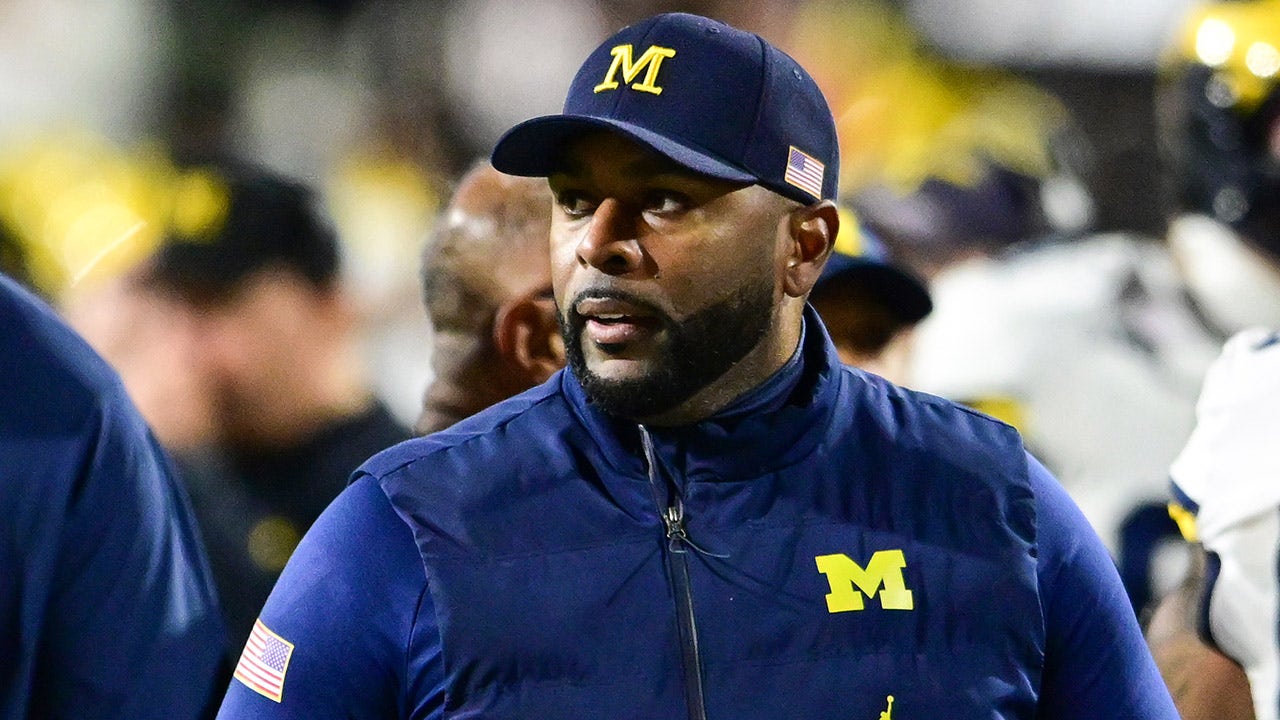
Paige Shiver has spoken out after the firing and sentencing of former Michigan football coach Sherrone Moore, saying probation fails to acknowledge the harm she endured. Her remarks have reignited debate about accountability in college athletics and whether legal outcomes match victims’ experiences. The reaction is part of a broader conversation about how institutions, courts, and sports programs respond when staff face serious allegations.
Shiver’s criticism is blunt and personal: she says probation for the coach does not reflect the impact on her life. That claim has landed in public debate because it presses a basic question about justice versus administrative discipline. People are responding across social and local media, and university stakeholders are watching how this moment influences policy and reputation.
The coach was removed from his role, which is a clear institutional step, but removal and probation are not the same thing to survivors. For many who follow such cases, the legal outcome feels detached from the day-to-day consequences that victims describe. That disconnect is fueling calls for clearer standards and more survivor-centered processes in colleges and athletic departments.
Critics argue that probation can feel like a light punishment in situations where reputational damage and emotional harm are significant. Supporters of the legal outcome point to due process and the constraints of criminal sentencing. Still, when a university dismisses a coach, that administrative judgment raises questions about what accountability should look like beyond the courtroom.
Beyond the legal nuances, there’s a reputational calculation for the program and the school. Alumni, donors, and fans often demand swift action, while administrators balance public pressure with legal prudence. That dynamic can push universities into quick firings that satisfy public opinion but may not address systemic failures in prevention and response.
Survivors and advocates are using this case to push for institutional reforms: better reporting channels, clearer disciplinary standards, and ongoing support for those affected. They say policy changes should aim to close the gap between administrative discipline and what survivors say they need to heal. The debate is increasingly about building systems that prevent harm and respond consistently when incidents arise.
The episode also highlights the culture around college sports, where star power and performance can cloud judgment. When high-profile staff face allegations, fan loyalty and program ambitions often complicate honest assessments. That cultural pressure makes it harder for institutions to act with transparency and can leave survivors feeling sidelined.
As public discussion grows, legal experts and campus safety advocates are urging clarity on how probation terms translate into real-world protections for survivors. They note that probation is a legal status but does not automatically provide rehabilitation, restitution, or a sense of safety for those harmed. Conversations now focus on combining criminal outcomes with institutional remedies that address the broader consequences felt by victims.
For Paige Shiver, the concern is straightforward: a sentence that doesn’t match lived harm is not justice. Her voice adds urgency to the push for change in how colleges handle allegations against high-profile staff. Whatever follows will be watched closely by survivors, advocates, and the sports community that expects both accountability and a path forward for prevention and recovery.
