
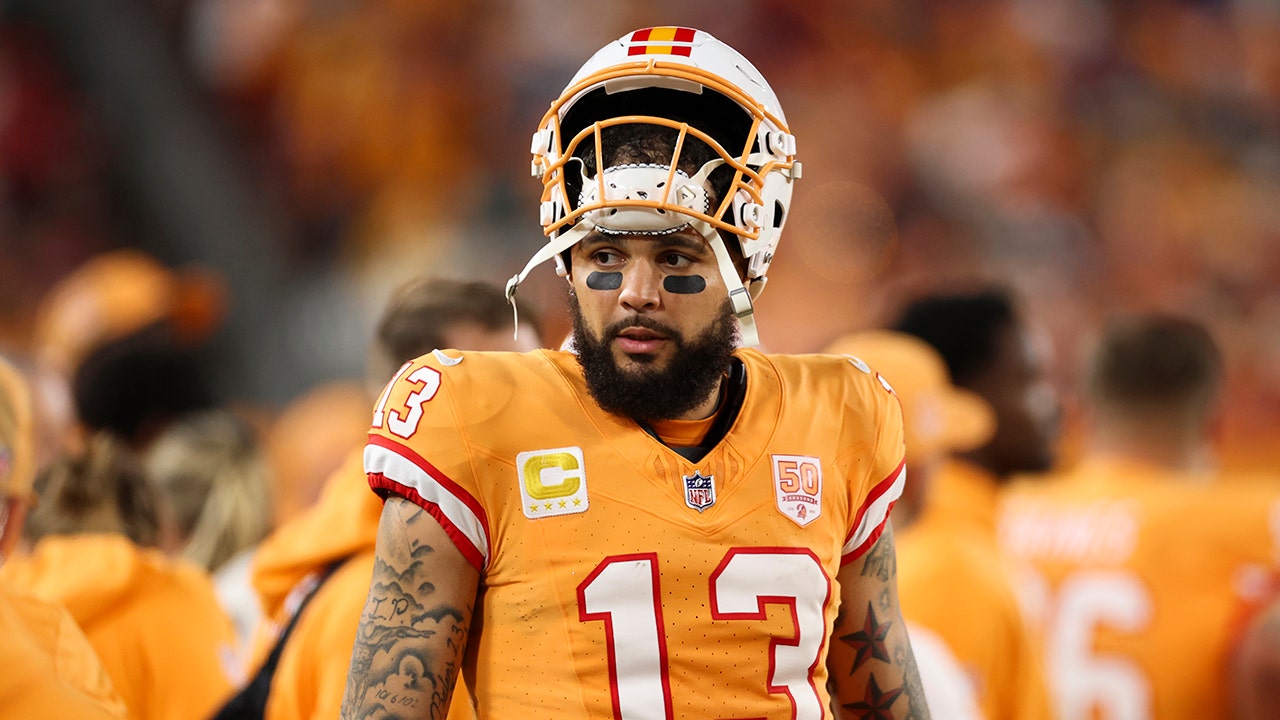
Mike Evans reportedly signed a massive $60.4 million deal with the San Francisco 49ers, leaving the Tampa Bay Buccaneers after 12 seasons that will likely land him in the Hall of Fame. This move redraws the wide receiver landscape and gives the 49ers a proven perimeter threat with finals and playoff know-how. The deal will be talked about for its money, timing, and what it means for both franchises as the league shifts around elite veterans.
Evans arrives with a resume that demands respect: twelve seasons of consistent production and clutch moments that helped define an era in Tampa Bay. He brings size, contested-catch ability, and a knack for turning short targets into explosive plays, traits that don’t decline overnight. For a 49ers offense that prizes versatility, Evans adds another demanding matchup for defenses trying to cover speed and physicality in the same package.
The $60.4 million figure is headline-grabbing and underscores how teams now pay for immediate, reliable production more than ever. It also signals the 49ers’ willingness to invest in a short-term upgrade that could tilt playoff matchups in their favor. At his age and with his track record, this kind of contract tells you San Francisco isn’t thinking small or conservative about their window.
From a schematic view, Evans pairs with the 49ers’ established outside and slot threats to create spacing headaches across the field. Defenses will be forced to choose between doubling their established stars or letting Evans beat single coverage with his contested catch skills. That flexibility opens routes for tight ends, backs, and play-action bursts that San Francisco loves to run.
Bucs fans will feel the sting of losing a franchise icon who helped deliver championships and consistent yardage for more than a decade. Replacing his production is not simple, and Tampa Bay will likely pivot to younger receivers or lean into different schemes to mask the gap. The departure also frees cap room and roster flexibility that the Bucs could use to reset around their core or accelerate a rebuild.
Evans’ Hall of Fame trajectory is a big part of the subtext here, because this move doesn’t just affect wins and losses. Heading into Canton territory with another big-market run could boost his legacy if he helps deliver postseason success in a new uniform. Longevity and season-after-season production already make a strong case, and high-profile playoff runs add the narrative weight voters notice.
There are practical roster questions that come with any veteran signing: how snaps are divided, who converts in the red zone, and how chemistry with the quarterbacks develops quickly. The 49ers have a quarterback room and coaching staff that can streamline Evans into routes and reads without asking him to relearn everything. A veteran like Evans can hit the ground running if the playbook emphasizes concepts he’s already mastered.
Salary-cap accounting and downsides deserve mention too, because big deals mean ripple effects on depth and special teams. The 49ers will have to balance immediate firepower with long-term flexibility, especially if injuries or unexpected needs arise. That balancing act often separates a smart upgrade from a risky overpay, and front offices will be watching how quickly the new pieces gel.
Fans and locker rooms react differently to acquisitions like this: some see a championship tilt, others see payroll drama. What’s clear is that Evans’ presence will change game planning for opponents and open creative options for his teammates. Whether this becomes a defining splash or merely a bold bet will be revealed over the next season of games and adjustments.
