
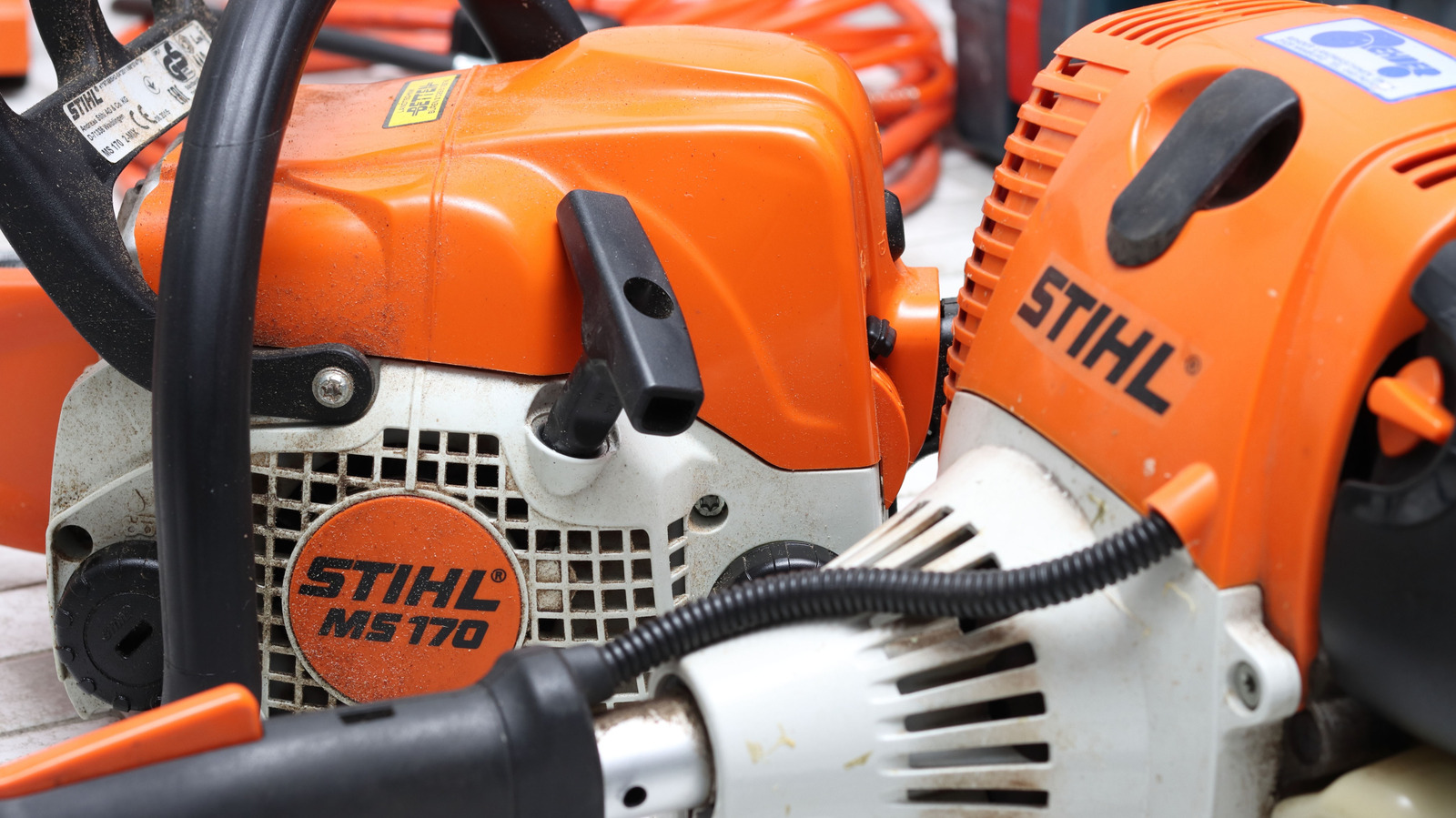
STIHL has built its reputation on rugged tools, but the brand also hides a lot of smart engineering under the hood. Across chainsaws, trimmers, and blowers, the company keeps pushing safety, convenience, and steady performance in ways that make a real difference in the field and around the yard.
What stands out is that these features are not just marketing fluff. They solve the annoyances people actually run into, like kickback, stubborn starting, and battery power that fades right when you need it most.
One of the most important safety upgrades is Quickstop, along with the more advanced Quickstop Plus. Chainsaws are powerful for a reason, and that same force is exactly why kickback can turn a routine cut into a scary moment in a split second.
Quickstop is designed to shut the chain down fast if the front hand guard is pushed forward or if the saw reacts violently enough to trigger the inertia brake. That matters because the system can stop the chain without waiting for the user to do something perfectly in the middle of a sudden jolt.
Quickstop Plus adds another layer by tying in rear-handle controls that stop the saw when released. It is the kind of feature you hope never needs to step in, but you are glad it is there when things get tense.
Starting a two-cycle engine can be a hassle on a good day and a real pain on a bad one. Cold weather, heat, altitude, and a little too much choke can all make a chainsaw act like it has forgotten its job.
That is where M-Tronic comes in. Instead of forcing the operator to guess at the right fuel and spark balance, the system automatically manages those settings and adjusts for changing conditions.
The payoff is simple: fewer frustrating pull-start sessions and less chance of flooding the engine. STIHL also uses an electronic solenoid valve to keep the fuel delivery in check, which takes even more of the guesswork out of startup.
Easy2Start tackles a different kind of problem, but it is just as practical. Pull-start equipment can be tough on the body, especially for older users or anyone who does not want to wrestle with a stubborn rope over and over again.
With Easy2Start, STIHL uses an internal spring system that stores energy during the pull and then releases it to help the engine turn over. The result is a much lighter-feeling start, so you do not need to yank the cord hard or fast to get the tool going.
That smoother action is a big deal in the real world. A slow, steady pull is often enough, which makes the whole process feel less like a workout and more like a normal part of getting the job done.
Battery tools have their own challenge, since performance usually dips as charge drops. That is annoying on any job, because the last thing you want is for your blower or trimmer to feel tired before you are.
STIHL’s Constant Power technology is built to fight that decline. Using a control module, the system adjusts current as the battery drains so output stays much more consistent from start to finish.
That means a cordless tool can keep delivering nearly the same punch when the battery is nearly full and when it is running low. For people who want the freedom of battery power without the usual fade, that steady feel is a pretty appealing upgrade.
Put together, these features show why STIHL keeps showing up in conversations about smart outdoor gear. The brand is not just making tools that cut, blow, and trim, but tools that feel more controlled, less annoying, and a lot easier to trust when the work gets serious.
