
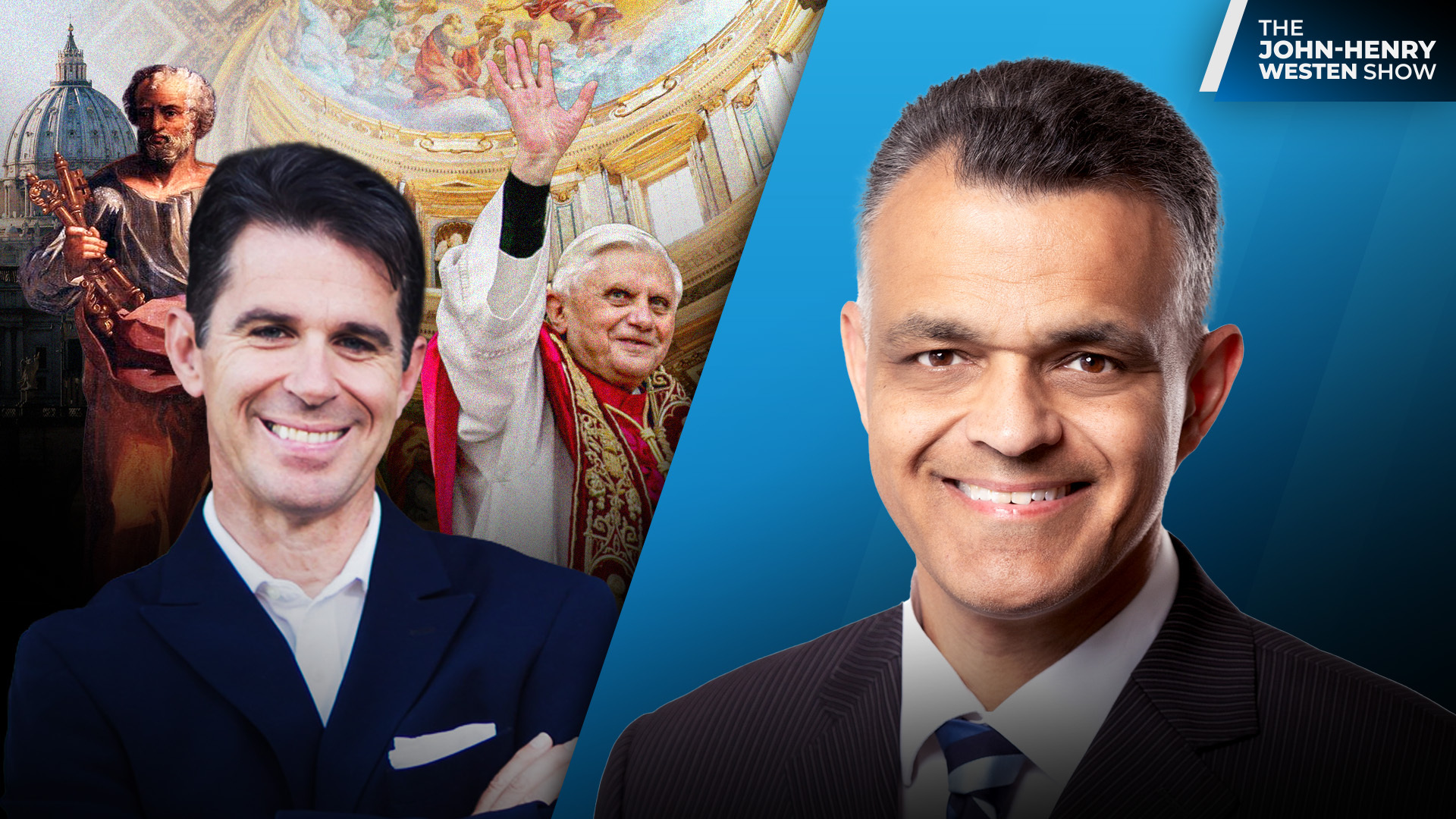
Pope Benedict XVI’s 2013 resignation and the events of the 2013 conclave are back at the center of a high-stakes canonical debate after a petition landed in the Vatican Criminal Court. The case hinges on whether Benedict relinquished the active functions of the papacy or the office itself, and whether the election that followed was clean.
The petition accepted by the court challenges the legal force of Benedict’s resignation, arguing that he may have renounced the ministerium rather than the munus under canon law. That distinction is technical but monumental: ministerium refers to the duties and active ministry, while munus is the actual office of the papacy. If the argument holds, it would mean Benedict remained pope despite stepping back from public responsibilities.
The review also questions the legitimacy of the 2013 conclave and points to alleged meddling by the so-called “Saint Gallen group,” a faction accused of coordinating behind-the-scenes efforts to shape the election. Critics say the group’s activity could amount to improper electioneering, which would taint the canonical validity of the voting process. Those are not small accusations when we remember that papal elections are governed by strict norms to protect integrity and unanimity of conscience among electors.
Should either the resignation or the conclave be declared invalid, the consequences ripple through the entire Church hierarchy. Pope Francis’s pontificate and the many appointments and doctrinal directions that flowed from it could face renewed scrutiny. That outcome would raise complex questions about acts, decrees, and governance taken under the current administration, forcing canonists and theologians into difficult territory.
Canonical law doesn’t deal in politics the way secular tribunals do, but it does have mechanisms for determining validity and intent. Lawyers and scholars will examine the text and context of Benedict’s declaration, the precise language used, and the circumstances surrounding his decision. They will also probe the conclave’s procedures, the conduct of electors, and any evidence of pre-arranged coalitions to determine if rules were breached in a way that nullifies the result.
The theological stakes are just as weighty as the legal ones. A pope’s identity affects sacramental, doctrinal, and jurisdictional questions that touch millions of faithful and the Church’s global mission. Clergy and laity alike will look for clarity, not chaos, because faith communities need authoritative structure to function. A transparent process that answers doubts without inflaming factions will be crucial to maintaining trust.
Practical fallout could look messy: contested appointments, second-guessing of major decisions, and a spike in canonical petitions asking for reviews of past acts. But the court’s acceptance of the petition signals a willingness to address these issues through established channels rather than silence or secrecy. That procedural step alone tells observers that the Vatican is not ignoring the legal questions and that canonical due process will run its course.
For Catholics who care about continuity and the rule of law, watching this legal and theological inquiry will be painful but necessary. The Church must balance respect for papal office with fidelity to its own legal traditions and norms. Honest adjudication of such claims can strengthen credibility, provided the process is transparent, fair, and faithful to canon law.
Whatever the final judgment, the episode is a reminder that even the highest offices in the Church must withstand scrutiny under law and reason. The coming months will test both the Vatican’s legal machinery and the Church’s capacity to face uncomfortable questions without fracturing the life of faith that depends on stable, legitimate leadership.
