
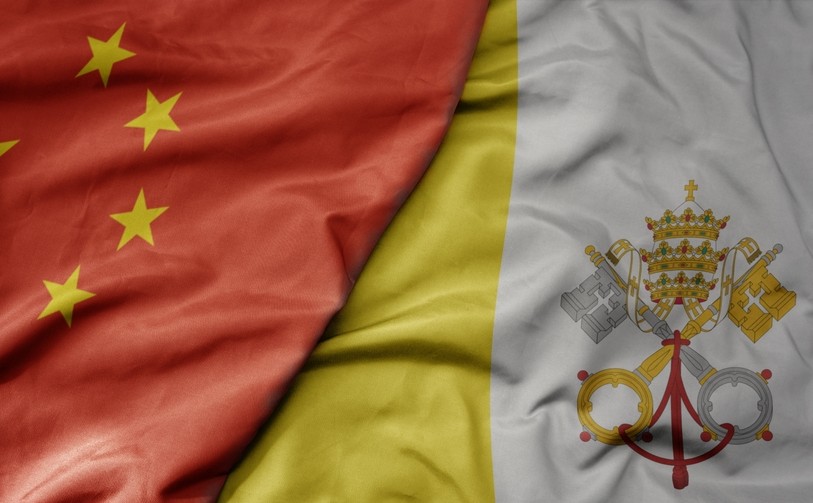
The Vatican’s secret agreement with Beijing has real consequences for Catholics and for religious freedom worldwide. This piece argues the deal empowered the Chinese Communist Party, weakened the Church’s moral authority, and now demands a clear, accountable response from Rome to protect persecuted believers.
The pact was sold as a pragmatic step to bridge a long, painful divide, but the results look different on the ground. Instead of opening doors, the deal gave Beijing a map for control, letting the state push its agenda inside church life while silencing critics. That matters because religion is not just private belief, it is a public witness, and when the witness is muzzled the moral balance in society shifts.
Responsible leadership requires more than quiet compromises and backroom promises. From a Republican viewpoint, strength and principle matter, especially against regimes that treat faith as a problem to be managed. Rome needs to stop assuming goodwill from a government whose record shows coercion, reeducation, and strict limits on worship that does not bow to the state.
Pope Francis and Vatican diplomats must face hard facts: the deal has reduced the space for Catholics loyal to Rome and empowered a parallel, state-approved church structure. That parallel system is not just an alternate expression of faith, it is a tool of control. When state-approved clergy are appointed under pressure, congregations lose trust, and underground communities pay the price for staying true to long-standing beliefs.
Practical steps are overdue. Transparency about the terms and outcomes of the agreement is the place to start, not because secrecy is always wrong, but because secrecy around arrangements that affect millions breeds suspicion. The faithful deserve clear answers about how bishops are chosen, what guarantees protect sacramental life, and how Rome will stand by priests and laypeople facing harassment.
There also has to be accountability for diplomats whose policies undercut religious freedom. Appeasement without results is not prudence, it is failure. A policy review with independent experts, clergy voices from the affected communities, and allied governments would show Rome is serious about correcting course rather than doubling down on a strategy that has left believers vulnerable.
International pressure can help, and the United States has a role to play. Conservatives have long warned that dealing with dictatorships without clear safeguards hands them a propaganda victory. Diplomatic clarity and targeted measures that defend persecuted believers send a message that religious liberty is not negotiable. Backing the underground Church, supporting human rights monitors, and calling out abuses matter more than vague diplomatic language.
At the same time, care must be taken not to politicize pastoral care. The goal is simple: protect conscience and the freedom to worship. That means practical assistance like safe communication channels for persecuted clergy, legal support for communities stripped of property, and moral solidarity from Catholic leaders worldwide. Those concrete actions preserve faith and dignity where words alone fail.
Rome’s moral authority depends on standing where principle demands it, even if standing is uncomfortable. A pope who champions the poor and vulnerable must not be seen as complicit when a government crushes religious expression. Restoring credibility will take honesty about mistakes and a visible pivot toward policies that defend, rather than dilute, church life in China.
Finally, the crisis in China is a warning shot for religious freedom everywhere. When major institutions swap transparency for quiet bargains, citizens lose leverage over power. The Church has a duty to model courage and clarity, to protect people of faith from coercion, and to insist that no diplomatic framework trumps basic human rights.
