
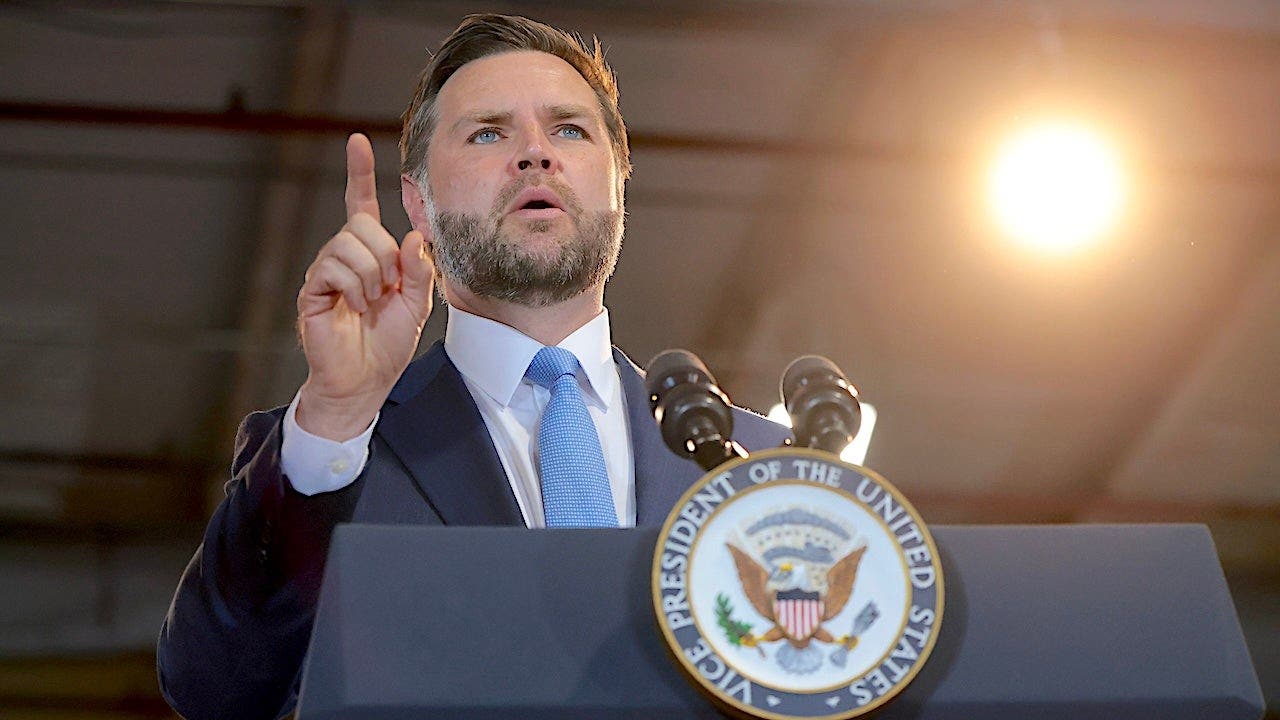
JD Vance took a sharp line on Canada during a stop in Maine, blasting what he sees as lopsided trade treatment that puts Chinese goods ahead of American products. The message was blunt and unmistakable: if Canada wants fair access to the U.S. market, it cannot keep squeezing Maine farmers and businesses while looking the other way on China.
At a question-and-answer session in Brewer, Vance said the frustration runs deeper than a single dispute. He argued that Canada has been friendlier to Chinese trade flows than to the goods shipped out of Maine, calling that approach “insanity.”
Vance said the administration believed a deal with Canada had been close before talks broke down. According to his account, Ottawa came back with last-minute demands that undercut the agreement and left Washington with little reason to keep giving ground.
That clash now sits against a bigger backdrop of tariff threats and stalled negotiations. Canadian Prime Minister Mark Carney recently said Canada was suspending the talks, while President Donald Trump signaled fresh tariffs on Canadian-made vehicles, auto parts, and steel starting in January 2027.
Trump has made the stakes plain, accusing Canada of taking advantage of the United States for years and pointing to high tariffs on American farm goods. The pressure is being aimed squarely at the idea that trade should be reciprocal, not one-sided.
Vance kept the focus on Maine, where cross-border commerce is not some abstract policy fight but part of daily life. He said the administration is trying to make sure the state gets “a fair deal,” especially for businesses that have to compete directly with Canadian suppliers.
One of his strongest examples centered on dairy. Vance said Canadian tariffs can hit Maine farmers with crushing rates once shipments move beyond quota limits, and he argued that no one should expect the U.S. to shrug off treatment like that.
The vice president also took aim at what he described as Canada’s role in moving Chinese goods into North America. In his view, Canada should not be acting like a side door for products that the U.S. would rather scrutinize more closely.
That criticism fits neatly into the administration’s broader view of trade. China is expected to be aggressive because it is a rival, Vance said, but a longtime ally like Canada is held to a different standard and should know better.
He also stumbled into one of Trump’s favorite jokes, briefly referring to Canada as a “state” before immediately correcting himself. The aside landed as a reminder of how often the president has used the 51st-state jab to needle Ottawa when tensions flare.
Still, the tone was not pure theater. Vance argued that Canada leans on the protection and military umbrella of the United States while leaving its own defense underfunded, then turns around and imposes barriers on American goods. That combination, he said, makes the relationship feel less like partnership and more like a bad bargain.
The fight over tariffs is not just about steel and autos, either. Maine’s economy has real exposure to any shift in border trade, and Vance framed the issue as a basic question of whether American workers should keep absorbing the hit while foreign competitors keep their advantages.
For now, the White House is signaling that it wants a deal, but not at any price. Vance left the door open to a settlement, yet made it clear that fairness has to come first and that the administration is prepared to keep the pressure on until Canada changes course.

1 Comment
China Strong in Canada for Years day 1 alas