
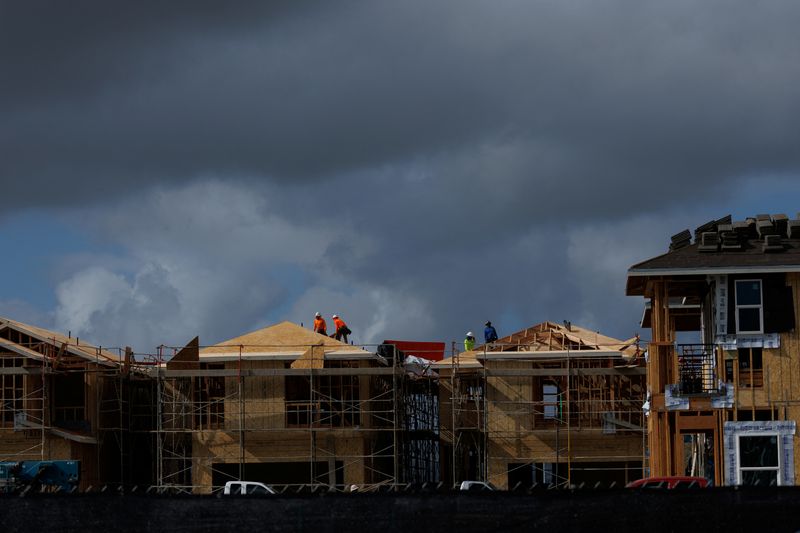
The U.S. housing market showed fresh signs of cooling in May as single-family starts fell to their weakest level in eight months and overall housing construction sank to a multi-year low, while import prices climbed faster than economists expected. Higher mortgage rates, pricier building materials and limited labor and lots are squeezing builders and keeping residential investment under pressure. At the same time, a sharp drop in multi-family projects and rising import costs add to concerns about construction activity and inflationary pressures heading into the summer.
Builders faced a tougher backdrop last month as single-family housing starts slipped 1.9% to a seasonally adjusted annual rate of 882,000 units, the lowest pace since September. The decline was concentrated in the South and West, even as starts ticked up in the Northeast and Midwest. On a year-over-year basis, single-family starts were down 6.7%, signaling that the segment that normally carries the market is under strain.
When combined with a steep plunge in multi-family starts, overall housing starts retreated to a pace of about 1.177 million units, marking a sizable drop from earlier levels and reflecting unusually weak activity across several important regions. Starts for projects with five units or more fell 41.6% to a rate near 284,000 units, a volatile slice of the market that has been especially soft. Permits for new single-family construction, however, inched up 0.6% to a rate of 886,000, suggesting some intent to build despite tougher conditions.
Supply-side limits are part of the story: labor shortages and a lack of developed lots are cited by builders as barriers to ramping up production even where demand exists. Residential investment has now subtracted from gross domestic product for several quarters, and the trend has been reflected in softer builder sentiment in recent surveys. “There is little indication that U.S. home building will break to the upside anytime soon, given high mortgage rates, previous over-building in the South, elevated new home inventories relative to sales, and the current depressed level of builder activity in the NAHB survey,” said Sal Guatieri, a senior economist at BMO Capital Markets.
Some economists framed the pullback as a corrective response to elevated inventories of newly built homes, arguing that slower starts can prevent a bigger glut of unsold units from accumulating. “This pullback should help to prevent an undesired backup in the inventory of new homes,” said Stephen Stanley, chief U.S. economist at Santander U.S. Capital Markets. Still, a sustained slowdown would keep pressure on construction-related jobs and suppliers, and could slow broader economic growth tied to housing activity.
On the trade front, import prices rose more than expected in May, up 1.9% for the month and advancing 6.7% from a year earlier, the largest annual increase in nearly four years. Imported fuel costs were a major driver, jumping sharply, while imported capital goods and consumer goods also contributed to the uptick. These cost moves raise the odds that some inflationary pressure will persist, complicating decisions for both businesses and policymakers.
Higher mortgage rates have also weighed on the market, lifted in part by global events that pushed oil prices and Treasury yields upward earlier in the year, though some near-term easing in energy costs has since provided modest relief. With consumer inflation and producer prices showing notable gains recently, the Federal Reserve faces a tricky balance as it meets to review policy. Markets broadly have reacted to the combination of slower housing activity and stickier import price trends, with yields and exchange rates adjusting to shifting expectations.
Permitting data showed mixed signals: permits for multi-family projects eased, while overall building permits slipped slightly to a rate near 1.413 million units. The longer-term picture remains one of constrained supply meeting affordability challenges, with builders unable or unwilling to rapidly expand output amid higher financing costs and more expensive inputs. Until those pressures ease, housing is likely to remain a drag on growth even as some categories of construction show isolated strength.
