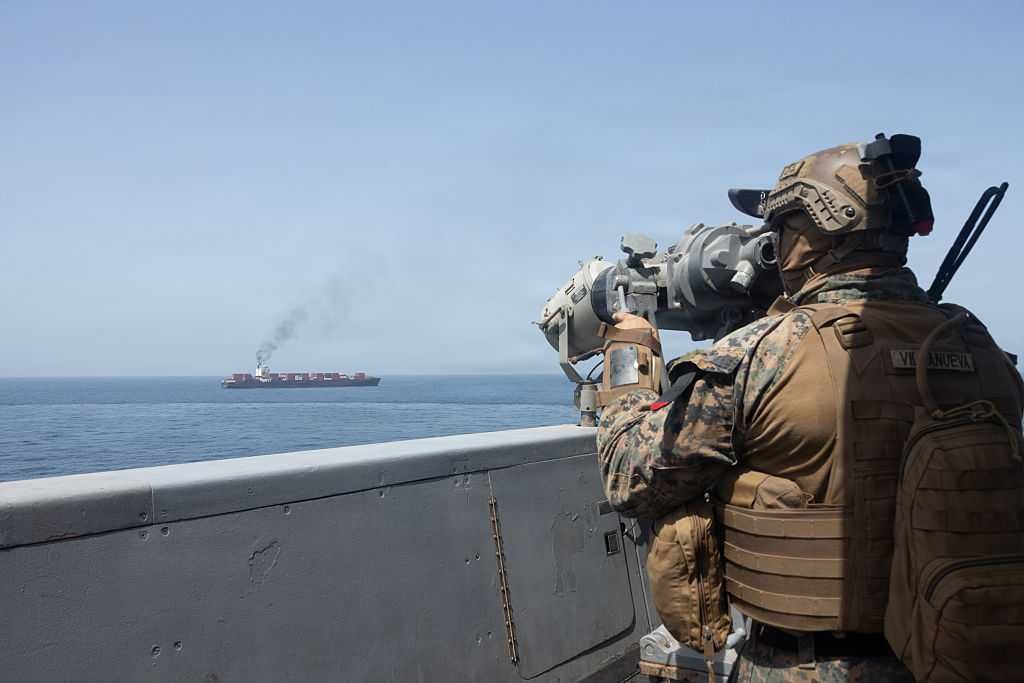
The Pentagon announced a protective operation over the Strait of Hormuz called Project Freedom, designed to keep commerce moving through one of the world’s most critical waterways. Top officials framed it as a defensive, time-limited effort that layers U.S. naval and air power to deter Iranian harassment. The message is straightforward: the United States will protect innocent shipping and then hand responsibility back to willing allies when the moment is right.
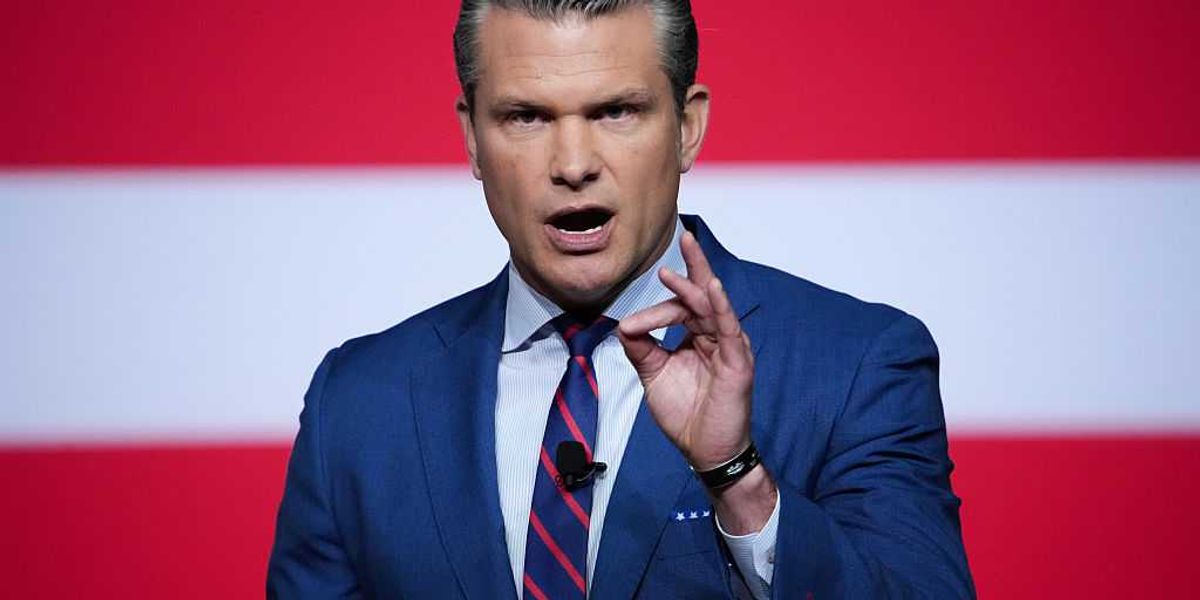
Defense Secretary Pete Hegseth unveiled the so-called red, white, and blue dome concept, describing a visible, layered presence of destroyers, jets, helicopters, drones, and surveillance aircraft focused on merchant safety. He stressed that the operation is not about conquest or escalation, but about ensuring trade lanes remain open and secure for nations that rely on them. That clarity matters: this is a protective posture aimed at keeping commerce flowing, not expanding a war.
Hegseth said, “Project Freedom is defensive in nature, focused in scope, and temporary in duration, with one mission: protecting innocent commercial shipping from Iranian aggression.” That line sets the tone. The goal is narrow and practical: defend mariners and cargo from harassment that has lately threatened normal transit through the strait.
Joint Chiefs Chair Gen. Dan Caine added that more than 15,000 American service members are deployed in the region across sea, air, and land to provide that protective ring. The operation, according to officials, will not require U.S. forces to enter Iranian waters or airspace. Keeping operations in international spaces preserves legal clarity and reduces the chance of unintended escalation.
“We’re not looking for a fight, but Iran also cannot be allowed to block innocent countries and their goods from an international waterway,” Hegseth said, and that blunt line captures the administration’s posture. Hegseth called out Iran for “harassing civilian vessels, threatening mariners from every nation indiscriminately, and weaponizing a critical choke point for its own financial benefit.” Those are sober accusations with real economic and human consequences behind them.
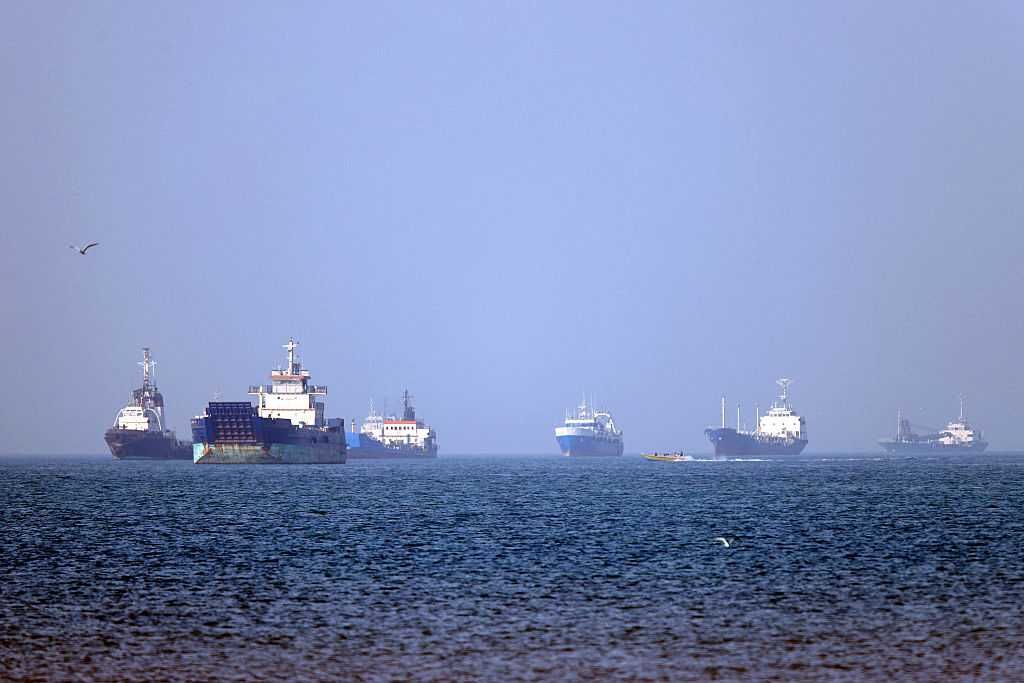
In recent days two U.S. commercial ships and American destroyers have passed safely through the strait under U.S. protection, and hundreds of other vessels from around the world have queued to transit. Caine warned that “Iran’s indiscriminate attacks across the region” had already left some 22,500 mariners on more than 1,550 commercial vessels effectively trapped in the Arabian Gulf, unable to transit safely. That backlog underlines why an immediate protective effort was necessary to restore predictable shipping flows.
Hegseth also made an operational promise: this posture is temporary, and the United States intends to turn over responsibility “at the appropriate time and soon” to allies and partner nations willing and able to share the burden. The emphasis on burden-sharing is political and practical. Allies need to step up, but the U.S. will act decisively until that handoff can happen without risking merchant safety.
‘We expected there would be some churn at the beginning, which happened, and we said we would defend and defend aggressively, and we absolutely have.’ That admission speaks to the reality of complex operations: early friction is normal, and decisive defense was the chosen response. The administration frames Project Freedom as a measured, temporary fix to a hostile tactic — a clear signal that America will protect international commerce and deter future attempts to weaponize a global choke point.