GameStop has quietly built a stake in eBay and then dropped a bold bid to buy the whole company, pitching a plan to cut costs and try to take on Amazon. This article lays out the offer, the math, and why CEO Ryan Cohen thinks the move could turn a tired auction platform into a much bigger player.
The drama began in early February when GameStop disclosed it had been accumulating shares of eBay and now holds an economic stake near 5 percent. Management followed up with a full takeover proposal: buy 100 percent of eBay at $125 per share in a deal split evenly between cash and GameStop stock. That price tags the transaction at roughly $55.5 billion and signals GameStop’s appetite for an immediate, headline-grabbing transformation.
GameStop’s pitch says the combined company could strip out at least $2 billion in costs inside 12 months by slashing sales and marketing spend, trimming product development budgets, and cutting administrative overhead. The proposal promises concrete line-item savings: marketing reduced by half, $300 million off product development and $500 million shaved from admin costs. Those are aggressive targets, but they’re meant to show investors a quick path from deal to profit expansion.
Ryan Cohen has been the face of GameStop’s turnaround, and his public remarks underline the strategy behind the offer. “There is nobody who is more qualified, based on my experience, to run the eBay business,” Cohen said. He also said, “eBay should be worth — and will be worth — a lot more money.”
Cohen has been blunt about his ambition, telling audiences he wants to reshape eBay into something far larger and more valuable. He has compared the potential of a retooled eBay to major online retail leaders and spoke openly about driving growth through tighter operations and refreshed customer focus. That confidence rests on his track record with GameStop’s own financial rebound under his watch.
GameStop points to a remarkable swing in its fortunes: from a fiscal year 2021 net loss of $381 million to a reported net income in 2025. That turnaround grew from an unlikely revival rooted in a 2021 retail investor phenomenon that vaulted GameStop back into the spotlight. The company has kept investors engaged since then and used that momentum to pursue bold strategic moves rather than simply resting on a meme-stock legacy.
Stock history matters here because GameStop’s shareholder base still skews heavily toward retail investors, a factor that could shape any deal outcome. With retail holders controlling a large share of GameStop’s float, management believes it has the runway to pursue aggressive, transformative transactions. eBay’s stock has been on an upward trajectory in recent years, which changes the math for a bid and makes a merger more appealing to some backers.
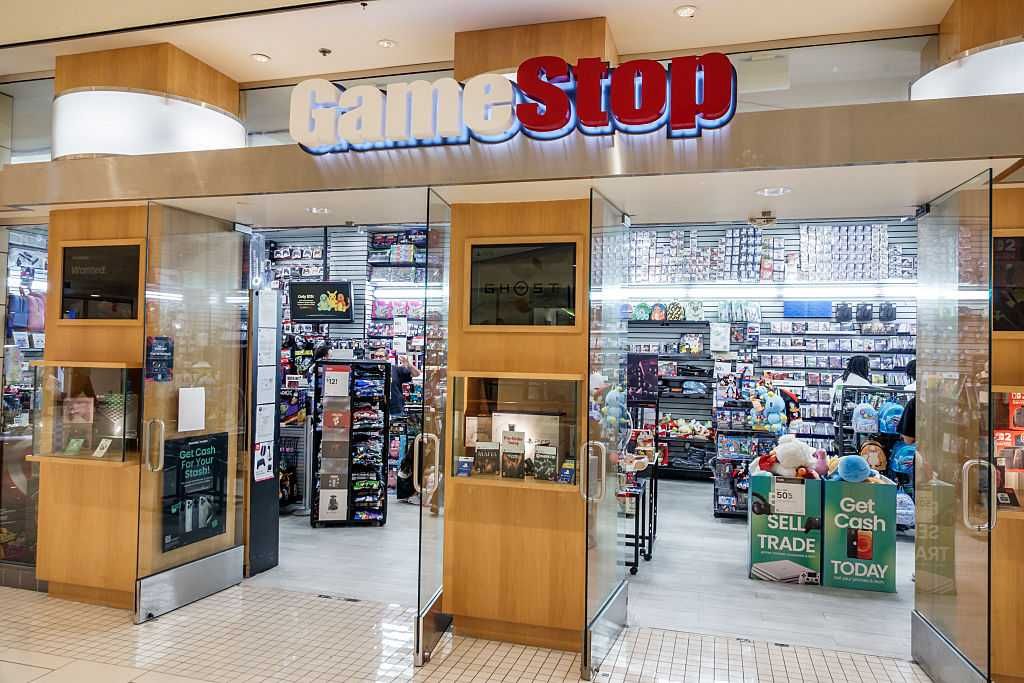
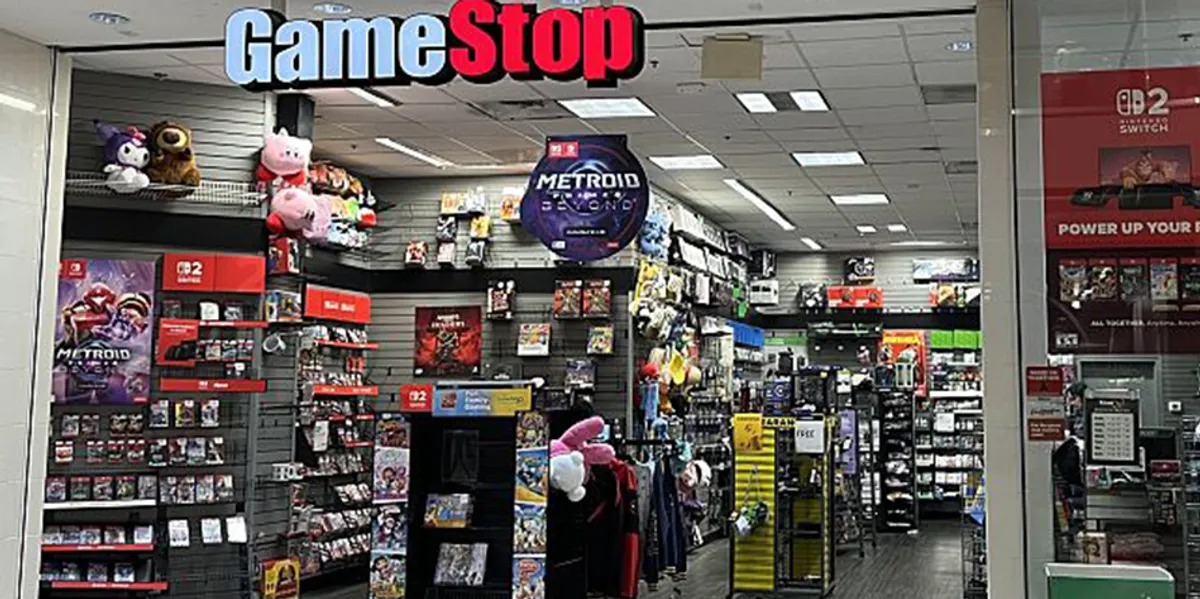
The logic for pairing a physical-and-digital retailer with an online marketplace is rooted in complementary strengths: GameStop brings consumer insights and a retail footprint, while eBay offers massive scale in resale and category depth. Both companies benefit when secondary markets for collectibles, cards, and used electronics are strong; those trends have helped both firms ride tailwinds lately. Investors and collectors are watching whether those secular trends will keep delivering.
GameStop’s numbers-heavy case will face typical scrutiny from regulators, institutional investors, and eBay’s board, each of which will weigh valuation, integration risk, and strategic fit. The cost-cutting targets are attractive on paper but require execution discipline to avoid harming buyer or seller experiences on a platform that depends on trust. Real change would demand both operational muscle and a clear plan for keeping core users engaged during any transition.
The plan is audacious and polarizing by design: it aims to reset expectations about what GameStop can build beyond nostalgia and storefronts. If the offer progresses, the next chapters will include negotiations, due diligence, and a public debate about whether combining a retail turnaround with a global marketplace makes strategic sense. Either way, the proposal has already forced a serious conversation about who owns the future of online resale and how big that future could be.