
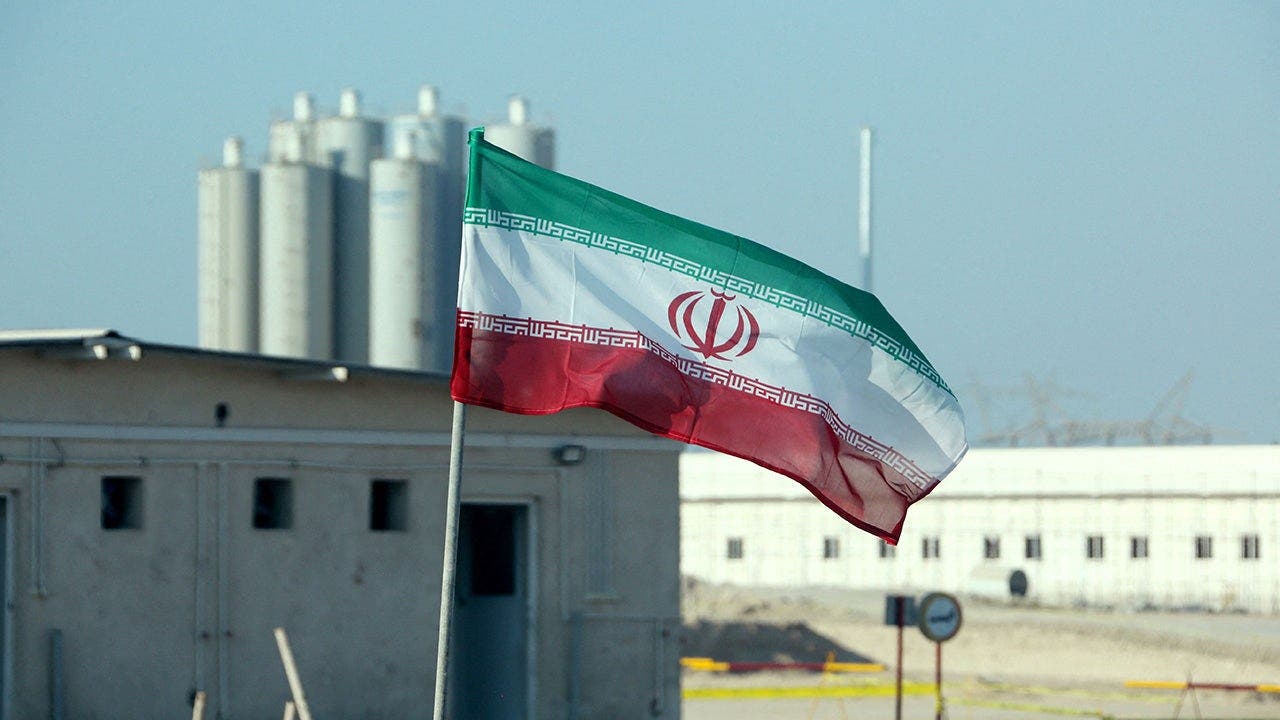
The program says tipsters who have useful information about Iran’s nuclear assets or linked individuals may be eligible for a reward and even relocation. That message was delivered plainly, with an invitation to share details through secure channels rather than go public with them. The goal is obvious: pull apart the hidden layers of a program that has long worried U.S. officials.
State Department officials said they are looking for information about nuclear scientists and staff, as well as technologies, capabilities, organizations, and personnel tied to the effort. That wider net matters because nuclear programs rarely run on one or two people alone. They depend on specialists, supply chains, and quiet support systems that are hard to replace when exposed.
The announcement also landed during a tense stretch in U.S.-Iran relations. President Donald Trump has been weighing the possibility of renewed military action while talks over Iran’s nuclear future continue to drag on without a clean breakthrough.
Trump has been firm that Iran will never be allowed to get a nuclear weapon. He pointed again to earlier U.S. strikes aimed at Iranian nuclear sites, signaling that military force remains on the table if diplomacy fails or if Tehran keeps pushing ahead.
That hard line has been paired with closed-door planning. Trump met with his national security team as officials reviewed the idea of resuming major strikes, even after earlier suggestions that he would wait until after the midterm elections before making a move.
The timing is also being watched closely because of the lunar cycle in the Middle East. Senior U.S. officials said a new moon around Nov. 9 would mean little to no moonlight, which can be favorable for military operations. That detail may sound small, but in a conflict like this, darkness can shape everything from timing to surprise.
Trump was asked directly about the possibility of moving forward and said Washington would “make a decision” on resuming the war. He then repeated the same basic message in stronger form, asking, “Do we want to go further” with strikes to ensure Iran’s nuclear program is dead and that “it will never happen again?”
He also made clear that the United States does not want to flatten the whole country if it can be avoided, but left the door open to broader action if necessary. That kind of statement keeps allies, adversaries, and military planners guessing, which is often exactly the point.
Behind the scenes, U.S. Central Command has been preparing for the possibility of a bigger operation, though no fresh directive had been issued from Washington at the time. That leaves the situation in a tense holding pattern, with diplomacy, intelligence gathering, and military readiness all moving at once.
The reward offer fits neatly into that strategy. It adds another layer of pressure on a regime already facing warnings, surveillance, and the threat of force, and it signals that the U.S. is not waiting around for Iran to set the pace.

1 Comment
Awesome Indeed Bravo