
The situation in Los Angeles has been quite intense with protests against U.S. Immigration and Customs Enforcement (ICE). Over the weekend, people took to the streets, causing major disruptions like blocking the 101 freeway. The Los Angeles Police Department had their hands full when some demonstrators even set cars ablaze in a historic neighborhood.
President Trump didn’t waste time responding. He sent 2,000 National Guardsmen to the city, despite California Governor Gavin Newsom’s objections. This move by the president was reminiscent of when President Lyndon B. Johnson deployed the National Guard to Alabama in 1965.
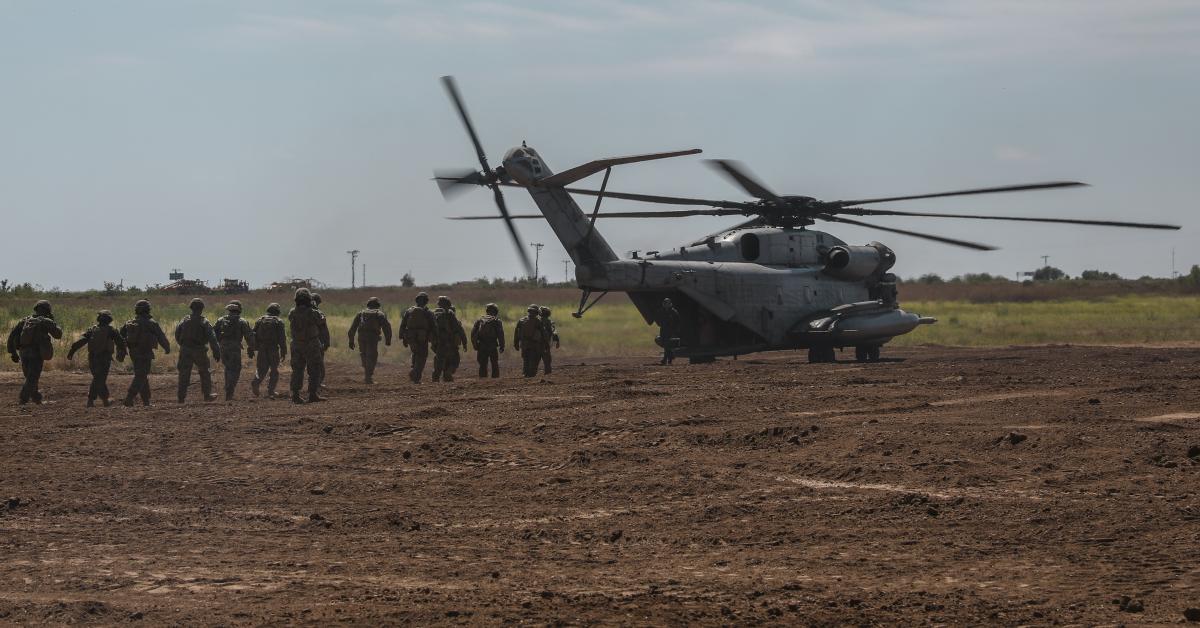
The U.S. North Command has been on high alert. They announced the creation of Task Force 51, led by a two-star general to oversee operations. Additionally, about 500 Marines from Twentynine Palms are ready to step in if the Department of Defense needs more support.
Governor Newsom isn’t taking this lightly. He’s taken legal action against the Trump administration over the National Guard deployment. The military typically stays out of domestic law enforcement, but the Insurrection Act could change that, according to The Hill.
President Trump didn’t shy away from discussing the Insurrection Act, suggesting it could be an option if the situation worsens. He took to Truth Social, accusing “violent, insurrectionist mobs” of attacking federal agents. Trump emphasized that Defense Secretary Pete Hegseth is prepared to take necessary action to restore order.
Hegseth is ready to bring in more troops if things don’t calm down. He made it clear that active-duty Marines could be sent to Los Angeles. This decision would mark a significant step to control the protests.
The protests, sparked by ICE’s actions, have been ongoing for several days. Demonstrators are passionate, making their presence known on the streets. Their actions have led to a citywide response, drawing national attention.
Traffic disruptions have become part of daily life in Los Angeles. The blocked 101 freeway was a major inconvenience for many commuters. Law enforcement is working hard to manage the chaos and keep the peace.
The historical context of sending the National Guard hasn’t gone unnoticed. Comparisons to past events, like the civil rights movement, are being discussed. The decision by Trump has stirred conversations across the nation.
Governor Newsom’s lawsuit is a bold move. He aims to challenge the federal government’s intervention in state matters. The legal battle could set a precedent for future state-federal interactions.
The Insurrection Act is not a common tool. Its potential use raises questions about the federal government’s role in local issues. The debate on this matter continues to unfold.
Protesters remain steadfast in their cause. The fight against ICE’s actions is at the forefront of their efforts. Their commitment to voicing their concerns is evident.
Law enforcement is on high alert. They are tasked with the difficult job of maintaining order. The situation demands a delicate balance between authority and respecting citizens’ rights.
Public opinion is divided. Some support the federal intervention, while others stand with the protesters. The discussions mirror the broader national debate on immigration policies.
As events continue to evolve, the eyes of the nation are on Los Angeles. The outcome of this situation could have implications beyond the city’s borders. The conversation surrounding these protests is far from over.
