
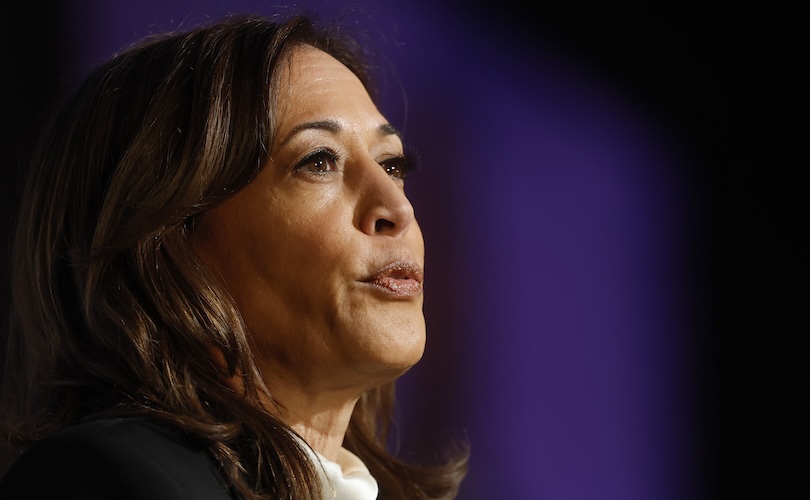
The Democrats quietly shelved a post-election review after party leaders judged it unfit for public release, but its core finding is loud and clear: aggressive identity politics, including a heavy focus on LGBT issues, helped doom Kamala Harris at the ballot box. This piece walks through what that internal reckoning reveals, why it matters to voters, how it affected Harris directly, and what it means for future Democratic strategy. Read on for a pointed look from a Republican perspective at how cultural overreach can translate into electoral damage.
The memo itself was kept under wraps because party leadership said it didn’t meet the chair’s standards, but the content leaked out in ways that matter. It shows an internal admission that prioritizing identity politics over bread-and-butter issues alienated core segments of the electorate. That kind of candor rarely comes from a party that prefers to paper over mistakes, so the admission is telling.
Voters do not live inside ideological think tanks, and many reacted badly when their everyday concerns were sidelined for cultural signaling. Suburban parents, working-class conservatives, and even some independents noticed a shift that felt less about governing and more about cultural contests. When a campaign centers labels and ideology over pocketbook issues, people tune out and take their votes elsewhere.
Kamala Harris became an example rather than a bridge, and the memo points to messaging failures that turned her candidacy into a liability in competitive areas. Emphasizing controversial social positions at key moments gave opponents clear fodder and distracted from pragmatic policy debates. Elections tip on margins, and a candidate who can’t broaden appeal in contested districts simply loses on those margins.
The DNC’s reluctance to publish the report signals internal friction: leadership wants to control the narrative while the grassroots and strategists see hard lessons. That tension explains why the document was judged inadequate for public consumption even though its findings are useful for debate. From a Republican viewpoint, it underscores the importance of staying focused on tangible results rather than chasing cultural victories that divide rather than unite.
Practically speaking, Democrats face a choice. They can double down on the ideological theater that energizes a narrow base, or they can pivot toward issues that win swing voters back: the economy, public safety, and generational opportunity. If history is any guide, parties that reconnect with everyday concerns recover ground; those that do not risk handing more wins to opponents who promise practical fixes.
The internal report is a warning flag, but it also offers a roadmap. Voters sent a message in 2024 that they want representation that feels useful and anchored in common-sense priorities. For Republicans, that creates an opening: keep offering clear policies that speak to ordinary Americans and hold Democrats accountable when they choose identity signals over solutions.
