
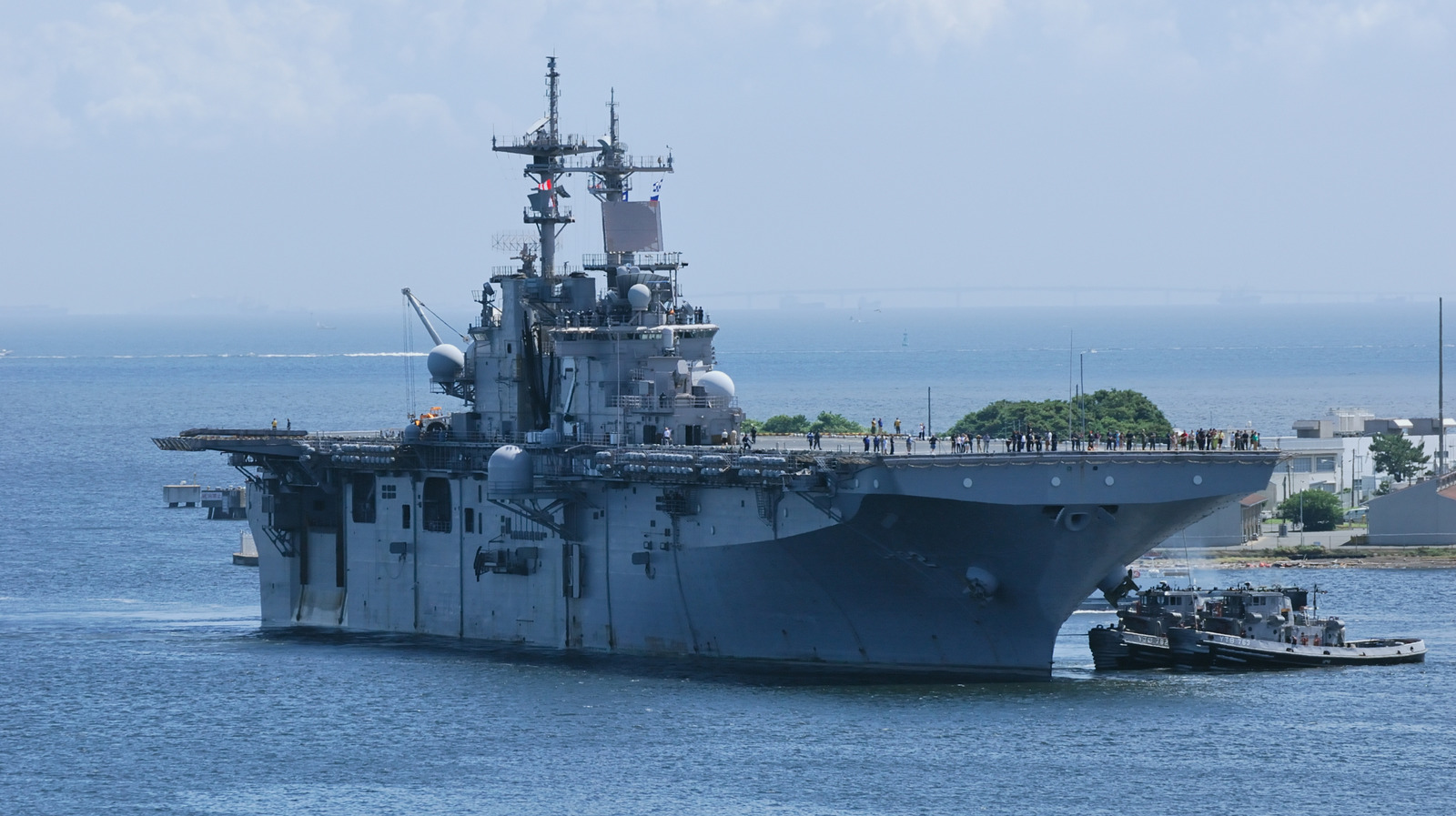
The Navy’s decision to pause the USS Nimitz decommissioning and to extend the life of another flattop signals a tactical shift toward preserving carrier strength while Congress and the Pentagon sort out budgets and shipyard capacity. This piece looks at why that matters for readiness, the tradeoffs between extending aging ships and building new ones, and what it means for sailors and strategy going forward.
Keeping aircraft carriers in the water longer is not a sentimental choice. It is a blunt, practical move driven by the reality that carrier construction and overhauls take years and the global security picture is getting sharper every day.
From a conservative point of view, this is common sense: prioritize deterrence and capability where we can, without blindly throwing money at unproven programs. The Navy faces backlogs, industrial limits, and cost overruns on new classes of ships, and extending proven hulls buys time and maintains presence.
Extending a flattop’s service life means work in dry docks, updated electronics, and careful planning to keep jets and sailors safe. Those refits are expensive and messy, but they often cost less than rushing a replacement into service and avoid gaps in carrier availability that adversaries could exploit.
There is also a people factor. Sailors build careers around ship assignments, qualifications, and unit cohesion. Scrapping a carrier early can strand training pipelines and reduce experienced leadership at sea. Extending service lives keeps crews together and preserves institutional knowledge that no contract can immediately replace.
Strategic signaling matters too. Carriers are still the clearest demonstration of American military reach, whether patrolling contested waters or reassuring allies. In an era when rivals invest in anti-access weapons and gray-zone tactics, the presence of a carrier battle group remains a powerful deterrent and a flexible tool for crisis response.
That said, extending old carriers is not a permanent fix. Aging systems eventually bite back in maintenance hours, flight ops restrictions, and rising repair bills. Republicans should support a balanced approach: extend when smart, but keep buying and improving the next generation so the force does not deteriorate into a patchwork of temporary fixes.
Accountability is required on both sides of the funding equation. The Pentagon must manage programs with tighter schedules and clearer cost controls, and Congress must fund shipyards and training at levels that match strategic ambitions. If we want a robust carrier force, we must fund the industrial base that builds and sustains it.
The practical takeaway is simple: extend what works to avoid capability gaps, but do not let extension become an excuse to delay modernization. This is fiscal responsibility married to strategic urgency — not ideology, but a clear-eyed defense of American interests.
Making sure the fleet stays ready takes political will and honest budgeting. The choice to keep another flattop sailing buys time, and that time should be used to fix procurement bottlenecks, invest in shipyards, and accelerate reliable replacements so our carriers remain both numerous and cutting edge.
