
Kratos Defense & Security’s stock slid despite a better-than-expected quarter, and the numbers explain why traders sold first and asked questions later. The company beat on pro forma earnings and revenue, but GAAP results, cash flow and a sky-high valuation left investors skittish. Management raised guidance yet still forecasts negative free cash flow, which keeps risk high even as sales accelerate.
Kratos reported $0.16 per share on $371 million in revenue for the quarter, topping the street’s $0.13 expectation and $344.6 million sales guess. That top-line beat looks good at a glance, and sales did jump 23% year over year, driven largely by the unmanned systems business. Wall Street often cheers revenue growth, but numbers that gleam on the surface can mask deeper problems.
Digging deeper, GAAP earnings told a different story: GAAP profit was only $0.07 per share, far below the pro forma headline number. Those accounting differences matter because GAAP shows the actual earnings picture after one-time adjustments are stripped away. Investors reacted to the reality that the company’s underlying earnings power is still thin relative to the hype.
Free cash flow was another sore spot. Kratos burned $47.3 million of cash in the quarter, or $43.1 million if you include proceeds from asset sales. That’s an improvement versus a prior period, but it is still cash going out the door while the company chases growth. Sustained cash burns can force financing at unfavorable terms or dilute shareholders if the treasury runs low.
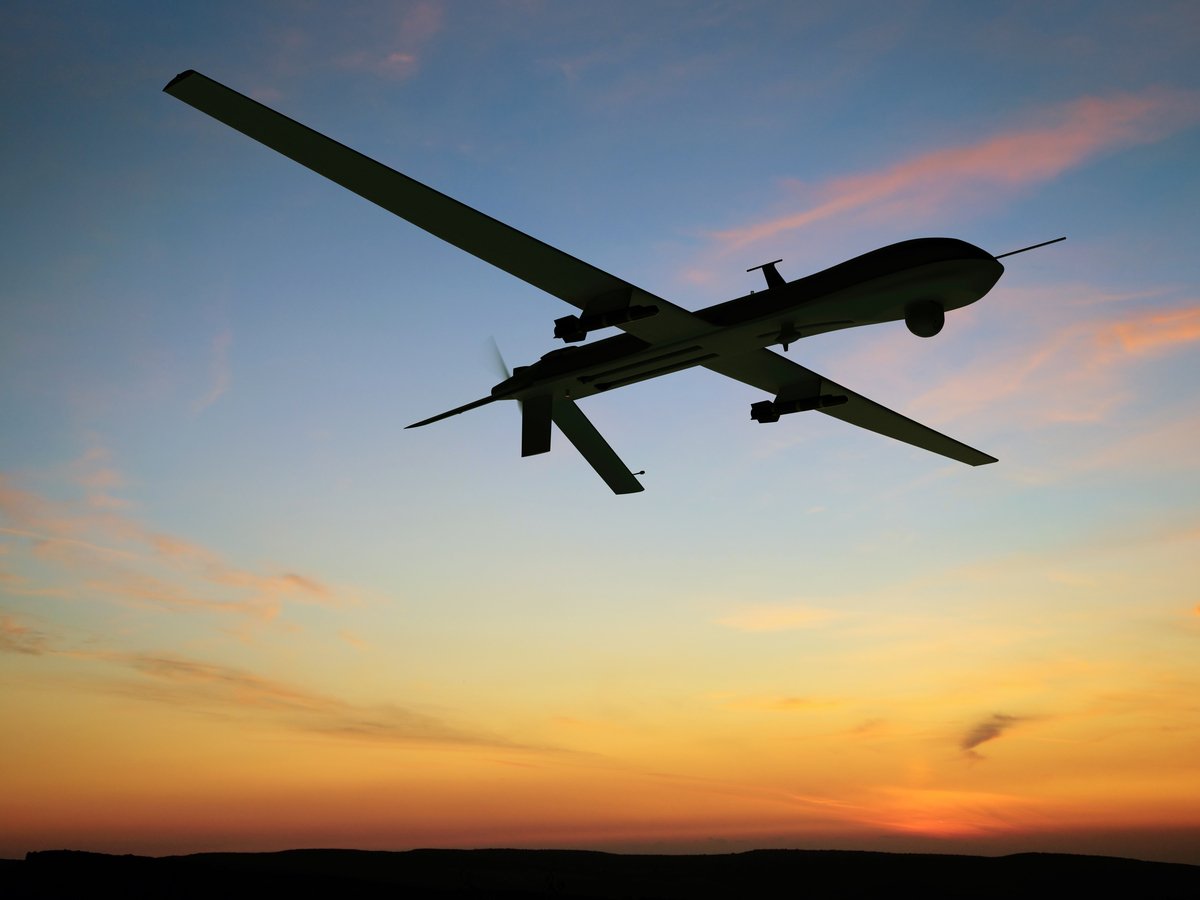
The business mix is showing some positive signs and some caution flags. Unmanned systems, essentially drones, grew 31%, which is impressive for a young, scale-driven unit. Government solutions, where the company gets a lot of revenue, only grew about 12%, suggesting Kratos is still reliant on a narrower set of steady but slower-growing contracts.
Book-to-bill was favorable in the quarter, with roughly 1.6 times more new orders booked than old orders converted into revenue. That metric hints at demand momentum and a pipeline that could sustain growth for future quarters. Even so, demand alone does not erase the need to convert bookings into profitable, cash-generating operations.
Management is raising its sales outlook through the end of 2026 and now expects at least $1.7 billion in revenue. That’s a bullish signal about the company’s market opportunities and execution, but the updated guidance still includes negative free cash flow of $85 million to $105 million for the period. Growth that requires continued cash infusions is harder to love at any price.
Then there is valuation. At a multiple north of 360 times earnings, Kratos is priced like a company with unbounded future profits. That kind of valuation leaves almost zero margin for execution error or macro turbulence. Given the combination of weak GAAP profit, ongoing cash burn, and a lofty multiple, owning shares right now looks speculative rather than strategic.
If you are weighing a purchase, remember this stock trades between promising top-line momentum and structural cash issues. Rapid growth is real, but so is the need for capital while the business scales. For many investors, the prudent move is to wait for clearer proof of sustained GAAP profitability and positive free cash flow before committing fresh capital.
The broader investing pitch around top 10 lists and flagship services often highlights big winners from years past, and those historical examples can be tempting. “Stock Advisor returns as of May 7, 2026.” Past calls like Netflix and Nvidia generated huge gains for early buyers, but they are selective successes rather than a guarantee. Kratos simply does not present the same risk-reward profile right now, and that is why the market chose to mark the stock down despite an upbeat quarter.
