
My mornings start with coffee and a quick scan of “News Items,” the tidy newsletter that cuts through the noise and lands the day’s crucial lines in my inbox. It flagged an intelligence leak about Iran that should make anyone who cares about American security sit up. This column walks through why that leak matters, why past intelligence has been wrong before, and why the president must act decisively now.
The newsletter began as a hobby and became a trusted briefing for a lot of people who wanted straight facts, not spin. Over time I and many others put money behind it because reliable, sober reporting matters when the stakes are high. That background is why its highlighted lead grabbed my attention immediately.
What arrived in the morning pull was loud and clear: a shale of reporting that suggests Iran has recovered more military capability than public statements admit. This is the kind of intelligence snapshot that, if accurate, changes strategic calculations and demands planning. It is not the time for wishful thinking.
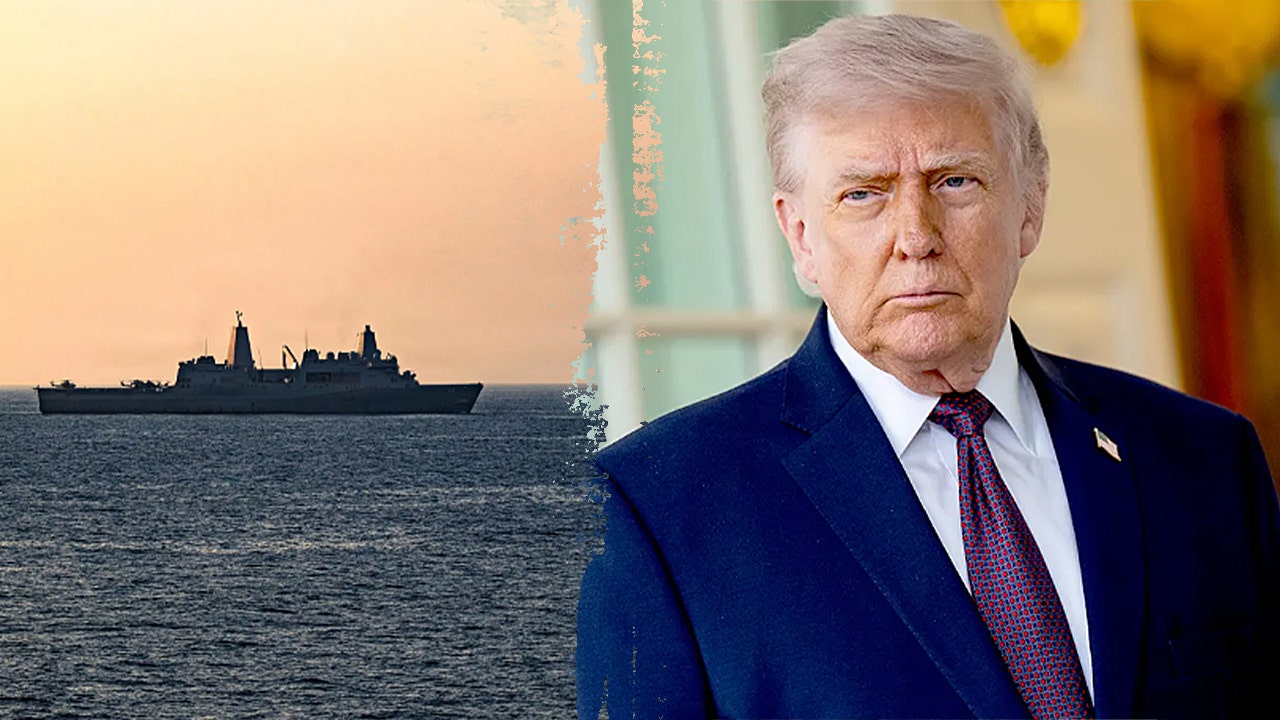
“1. The Trump administration’s public portrayal of a shattered Iranian military is sharply at odds with what U.S. intelligence agencies are telling policymakers behind closed doors, according to classified assessments from early this month that show Iran has regained access to most of its missile sites, launchers and underground facilities. Most alarming to some senior officials is evidence that Iran has restored operational access to 30 of the 33 missile sites it maintains along the Strait of Hormuz, which could threaten American warships and oil tankers transiting the narrow waterway. People with knowledge of the assessments said they show — to varying degrees, depending on the level of damage incurred at the different sites — that the Iranians can use mobile launchers that are inside the sites to move missiles to other locations. In some cases they can launch missiles directly from launchpads that are part of the facilities. Only three of the missile sites along the strait remain totally inaccessible, according to the assessments.”
That kind of classified detail, if true, makes a mockery of any public narrative that Iran has been permanently weakened. We should treat the report seriously but also remember the intelligence community has erred before. “We judge with high confidence that in fall 2003, Tehran halted its nuclear weapons program.” That sentence from the 2007 National Intelligence Estimate is a cautionary tale for anyone ready to take briefings at face value.
The CIA has a mixed track record on Iran stretching back decades, and bad judgments have real consequences. Presidential decisions were constrained before because assessments were wrong, and the result was policies that failed to deter Tehran. That history argues for both skepticism and urgency at once.
Hope is not a substitute for strategy. If the current assessment is sound, the administration cannot afford to treat Iran as merely bruised. The right move is to presume the worst about their capabilities until proven otherwise, and to plan accordingly.
That planning should include options to degrade missile and launch infrastructure and to constrain Tehran’s ability to field mobile launchers and underground systems. Military planning should be matched with economic pressure designed to squeeze the regime and fuel internal fractures. The goal is to make the status quo intolerable to the men who run Iran.
Iran’s February attacks showed it will lash out regionally when pressed, striking at allies and infrastructure beyond Israel and American bases. The regime responds to force with more force; it is not mellowed by restraint. That reality demands a sustained campaign of pressure rather than short, symbolic strikes that merely invite revenge.
Negotiation with the current Tehran leadership is not a credible path to security; their doctrine has never been cooperative. The practical routes left are military degradation of critical capabilities, economic strangulation, and support for any internal opposition that might eventually unsettle the ruling clerical guard. None of those options are pretty, but leaving Iran armed and vengeful is worse.
President Trump has to finish the job on capabilities that threaten the region and America. That means rigorous reliance on the best intelligence available, accelerated contingency planning, and the resolve to act with partners if needed. In a dangerous neighborhood, preparedness and decisive action are the clearest paths to keeping America and its friends safe.
