
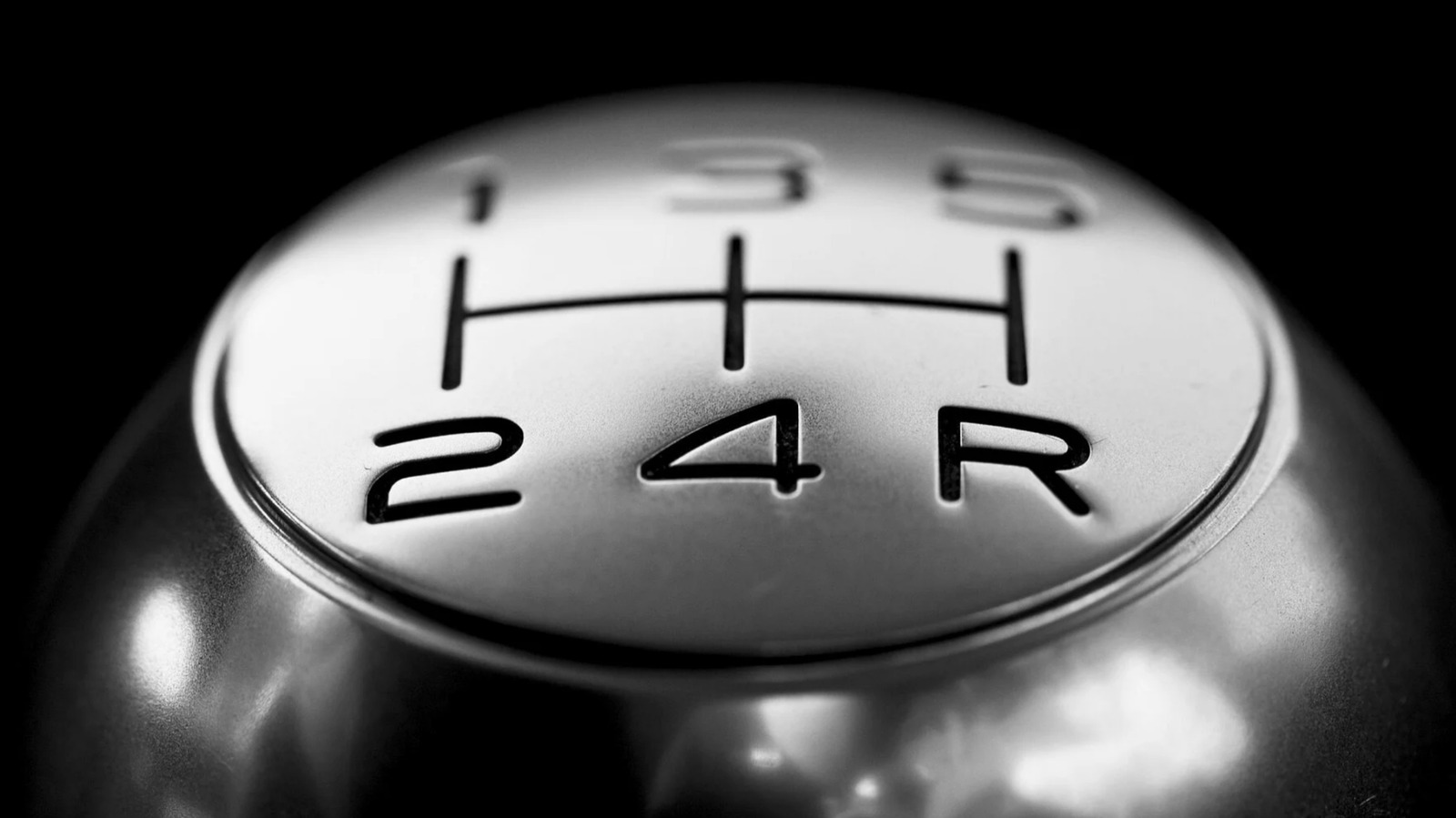
Quick snapshot: this piece explains why starting a manual car in second gear is usually rough on the clutch, describes the mechanical reasons behind that wear, outlines the one situation where it can actually help, and gives a few practical tips for doing it with the least harm. It keeps things straightforward and practical without getting bogged down in jargon. Read on for a clear, no-nonsense take that keeps you safe and your clutch alive as long as possible.
Plenty of drivers swear that trying to move a manual transmission car from a standstill in second gear will instantly wreck the clutch. The blunt truth is less dramatic: yes, starting in second gear increases clutch slipping and heat, but it will not necessarily destroy the clutch in a single attempt. Damage builds up from repeated abuse, not from one careful maneuver.
Clutches wear from friction and heat when the driven plate slips against the flywheel under load. Starting in first gear reduces the need for slippage because the gearbox multiplies torque, which helps the engine move the car without forcing the clutch to bite at high revs. Put the car in second, and the engine has to work harder to get the wheels turning, which makes the clutch slide more and run hotter.
That said, there is a clear, practical exception where starting in second is the smarter move. On very slippery surfaces like ice, snow, or loose gravel, first gear often delivers too much torque to the driven wheels and causes them to spin. Second gear softens the torque spike and reduces wheelspin, letting you modulate forward motion more gently and avoiding a loss of control.
If you must start in second on slick terrain, technique matters. Hold the clutch at the bite point and give the engine a modest, steady amount of throttle rather than blipping it; the goal is controlled grip, not maximum acceleration. Keep the slip brief and get the clutch fully engaged as soon as you feel the car moving smoothly.
On regular pavement, though, avoid treating second gear starts as a habit or a performance trick. Extended slipping at higher loads cooks the friction material, shortens clutch life, and can glaze the surface so it grabs poorly when it cools. The occasional cautious second-gear start on ice is a reasonable tradeoff, but routine use is just unnecessary wear.
There are a few practical alternatives to starting in second if you worry about wheelspin. Using a higher idle, feathering the clutch in first, or gently applying the handbrake while releasing the clutch can give you the traction you need without changing gears. Modern traction control systems will often handle this automatically, but where you don’t have that tech, small driver adjustments make a big difference.
Finally, think of clutch health like tire health: short, thoughtful actions matter far more than dramatic one-offs. A clutch that gets occasional, controlled slippage in low-traction conditions will outlast one that faces constant heavy slipping on dry roads. Drive with intent, and the parts will thank you by lasting longer and costing you less in repairs.
