
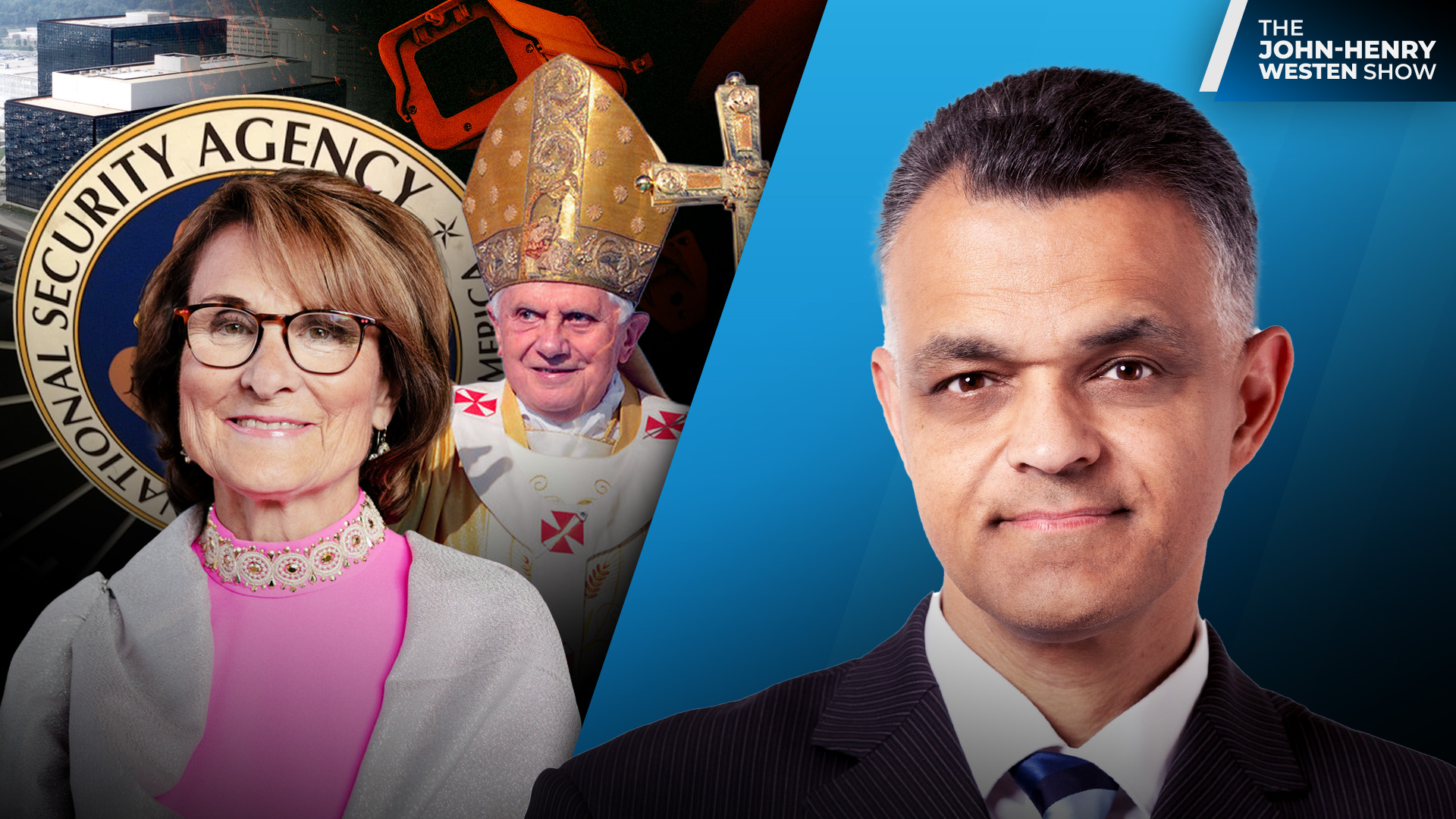
The claim here is stark and unsettling: Pope Benedict XVI did not step down for private reasons but was pushed out by a coordinated globalist operation that used U.S. intelligence interest, NSA surveillance, financial pressure via SWIFT, and an engineered “Catholic Spring” to remake the Church from within. This piece lays out the main lines of that argument, points to the reported documents and interviews behind it, and explains why conservative Catholics and patriots should care about a pattern that mixes geopolitics, finance, and institutional influence. The focus stays on the central allegations and the evidence discussed by Liz Yore with John-Henry Westen.
The starting point is WikiLeaks material that, according to the argument, shows the U.S. State Department had an interest in undermining Benedict’s leadership. From a Republican perspective, any foreign policy office weighing in on the internal life of a religious institution raises real alarms about overreach and influence. The claim is not that diplomats voiced mere opinion but that their interest intersected with tactics used by technocratic networks to apply pressure.
NSA surveillance of Vatican communications is another key thread in the narrative. Surveillance of a sovereign religious leader, if proven, is a hard-to-ignore breach of diplomatic norms and of privacy between nations and institutions. Conservatives who champion national sovereignty and limited government intrusion see this as emblematic of a deep-state tendency to monitor and manipulate global actors rather than defend national interest.
Financial leverage is central to the story, with SWIFT named as the mechanism allegedly weaponized to squeeze Vatican coffers and influence decision makers. SWIFT sanctions and transaction controls are powerful tools in global finance, and the idea that they could be deployed not just against states but to pressure a pope is both plausible and disturbing to fiscal conservatives. The broader concern is that financial infrastructure can be used to enforce political and cultural outcomes beyond transparent democratic processes.
The so-called “Catholic Spring” is presented as an ideological campaign aimed at reshaping Church teaching and governance from the inside out. The argument says this movement used media, institutional allies, and a stream of supportive insiders to normalize positions at odds with traditional Catholic doctrine. From a Republican vantage, this kind of manufactured cultural shift is familiar: elites coordinating across institutions to push a secular agenda that sidelines dissenting voices.
Liz Yore’s conversation with John-Henry Westen functions as a public airing of these claims, connecting documents and patterns that might otherwise be overlooked. Bringing these pieces together matters because it forces a conversation about who gets to influence religious institutions and by what means. Conservatives value transparency and accountability, and so these allegations demand a clear-eyed investigation rather than dismissal as conspiracy thinking.
Part of the allegation is also about policy agendas Benedict resisted: opposition to mass migration, caution on normalizing relations with China, and resistance to the kind of secularizing trends gaining ground in Western institutions. If a religious leader stood against those currents, the story goes, he became an obstacle to powerful interests that prefer a different global order. For Republicans, protecting national borders, holding China accountable, and preserving traditional institutions are priorities that make such claims especially consequential.
Who benefits if the internal life of the Church is refashioned to match technocratic global currents? The question points to a network of actors who gain from weakened national identities, open migration, and muted resistance to major geopolitical players. That is exactly the kind of structural change conservatives worry about when they point to globalist initiatives that cut across finance, intelligence, and media.
This is not a call to panic but to demand facts and procedural clarity, to ensure that institutions like the Vatican remain free from external coercion. Whether every element of the narrative will hold up under scrutiny is for investigators and journalists to determine, but the pattern described deserves more transparent answers. Conservatives should insist on rigorous oversight where foreign influence, surveillance, and financial pressure intersect with religious leadership.
