
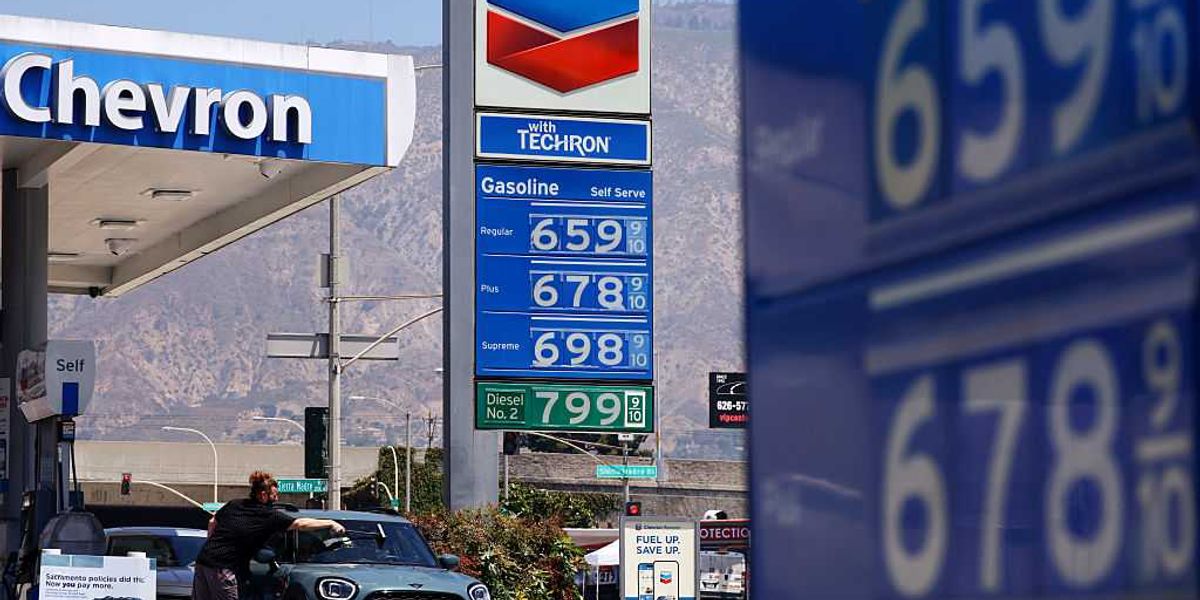
The U.S. is dealing with fresh inflation pressure as oil spikes tied to the Iran conflict push prices up, wages lag, and politics scramble for a narrative. Energy costs are the headline driver, lawmakers are trading blame, and market pros are weighing whether this jump will fade if oil cools down. Voters are jittery, trust in both parties is low, and that mood will matter at the ballot box.
Oil has surged and it is showing up in the numbers. Brent crude sits well above where it was before the conflict, and energy costs are now a leading contributor to the monthly rise in consumer prices. The government noted that energy accounted “for over 40% of the monthly all-items increase.” That one line explains a lot of why grocery bills and commute costs feel heavier overnight.
People are feeling the squeeze because paychecks aren’t keeping pace. Average hourly earnings rose, but not enough to match the latest inflation reading, which leaves real wages slipping for many households. That gap is what turns abstract data into real hardship at kitchen tables across the country.
Politicians wasted no time assigning blame and promising fixes. “From his tariff taxes to his disastrous war in Iran, President Trump is making life even harder for American families. Today’s inflation data confirms what everyone can see: Costs are out of control.” That was one Democratic response, blunt and aimed at tying this pain to the current White House.
Republicans pushed back with a different frame, pointing to economic gains they say are being overlooked. “While inflation has come down substantially since the 21% spike in prices seen when Democrats controlled all of Washington, American families are still looking for additional relief, and that is why Republicans acted to deliver the largest tax cuts in American history.” The GOP message leans on job growth, tax relief, and a critique of monetary policy that they say has slowed growth.
Investors and analysts are trying to figure out whether this is a broad inflation wave or a more limited shock tied to energy and logistics. “The report still showed only limited evidence of fully broad-based second-round inflation effects,” said Arielle Ingrassia, an investment specialist at Evelyn Partners, according to IFA magazine. “That leaves the overall picture closer to an energy and transport shock than a full inflation spiral — at least for now.”
That assessment is hopeful: if oil retreats, the argument goes, headline inflation could ease without a deeper wage-price feedback loop. But hope is not a strategy for households already cutting back on discretionary spending and postponing big purchases. The federal funds rate and central bank posture also matter here, since higher interest rates squeeze borrowing and investment.
Voter sentiment is already shifting and that’s where politics and economics collide. “roughly two-thirds of Americans say that Trump’s policies have worsened economic conditions in the country. And Trump’s approval rating stands at 30% on the economy, a career low,” according to CNN. At the same time, trust in both parties on economic solutions is weak. A vast majority of Americans don’t trust either party to fix the economy.
As the midterms approach, this mix of energy-driven inflation, slow wage growth, and negative public sentiment is a live issue. Campaigns will use the data — one side blaming tariffs and foreign entanglements, the other pointing to past policy failures and promising tax relief. The outcome will hinge less on technical economic debates and more on who convinces voters they have a credible plan to reduce costs and restore confidence.
For now the key takeaway is simple: energy prices pushed inflation into a zone we haven’t seen in years, politicians are sharpening their lines, and markets are betting this could be temporary if oil cools. That’s the picture voters will carry into the next round of political fights, where kitchen-table economics will decide a lot more than pundits expect.
