
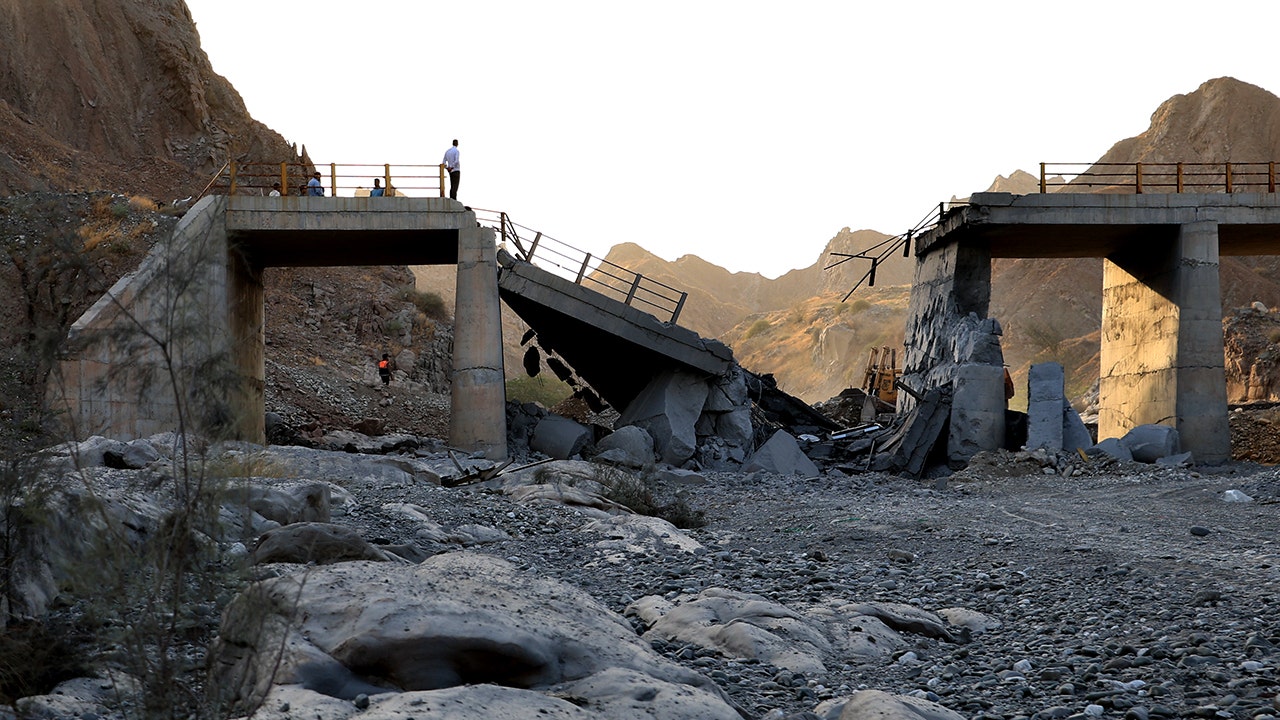
America and Israel are squeezing Iran from every angle, and the pressure is doing real damage. The regime is taking hits to its military, its economy, and its confidence, while the United States keeps showing it can raise the cost of aggression whenever it wants.
Since the fighting began, the human toll has been heavy on all sides, with American service members, Israelis, Iraqis, and civilians across the region paying the price. Iran has also absorbed major losses, and its conventional forces, missile stocks, and drone capacity have been badly weakened.
What stands out most is that deterrence is starting to work again. Iran has held back from striking Israel in recent days because it knows the response would be brutal, and that same message now needs to reach Tehran’s commanders when they think about Americans, Arab neighbors, or ships moving through key waterways.
The regime’s internal grip also looks shakier than it wants the world to believe. With senior leaders hit hard and the chain of command under strain, the system is running more like a frightened military dictatorship than a confident state, and that matters when decisions are being made under fire.
Economic pain is piling up fast. The currency is collapsing, oil revenue is being squeezed by blockade pressure, and the country is being cut off from the kind of income it depends on to keep the machine running.
That financial chokehold is more than a side story, because war and money are tied together here. If Tehran cannot reliably move oil or access hard currency, then every month of conflict gets uglier, more expensive, and harder to sustain.
The nuclear question sits right at the center of all this. Iran’s breakout path has been disrupted, its program is badly damaged, and even if the regime somehow found fresh revenue later, it would still be years away from rebuilding the kind of threat it once hoped to create.
Shipping lanes remain one of the biggest pressure points, and that is no accident. When the Strait of Hormuz becomes risky, the whole region feels it, but the current strategy is clearly aimed at making Iran understand that harassment at sea will not go unanswered.
That leaves the regime with a simple choice, even if its leaders hate it. They can keep taking punishment and watch the damage deepen, or they can back off, accept inspections, and stop pretending that fantasy can replace reality.
President Trump’s approach is built around that hard truth, and it is paying off because it treats force as a language Iran understands. Every time the regime lashes out, it gets a louder answer, and every time it hesitates, the message gets clearer.
The broader cost is still heartbreaking, especially for American families who have lost loved ones and are now carrying grief that never really leaves. War always asks for more than it should, and it leaves scars that do not show up on a battlefield map.
Even so, the ending depends on Tehran, not Washington. If the Iranian leadership wants the pounding to stop, it already knows what to do: end the aggression, accept the reality on the ground, and step back before the damage becomes impossible to hide.
