
US Foods has quietly become a clear example of recovery paying off for long-term holders. After an IPO born from a blocked merger, the company weathered a pandemic collapse and then staged a strong comeback that turned modest stakes into meaningful gains. This piece walks through the operating pivot, the profit rebound, and the risks that could trip up the story going forward.
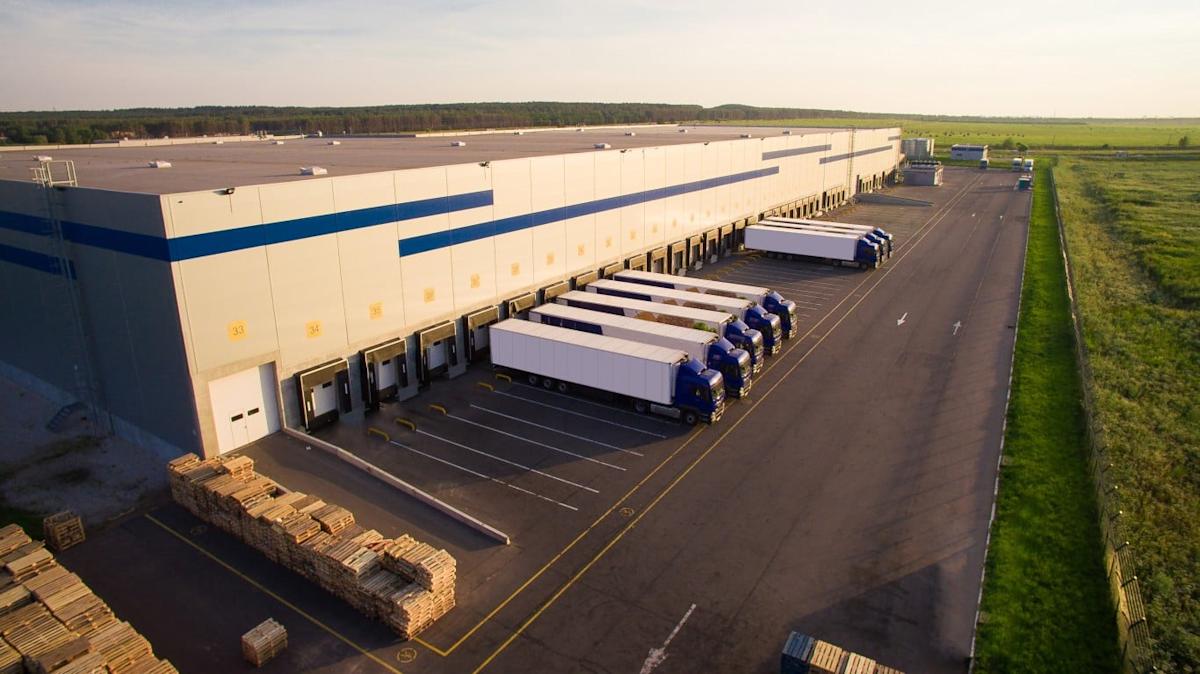
US Foods went public in May 2016 after regulators killed a planned sale to Sysco, leaving the distributor to stand on its own feet. That forced independence pushed management to build scale and focus: the company now serves roughly 250,000 customer locations from more than 70 broadline distribution centers and over 90 cash-and-carry stores. With about 30,000 employees and almost $40 billion in annual sales, the business is a heavyweight in foodservice distribution. The path from structural reset to growth has been uneven but unmistakable.
The timeline since IPO reads like three distinct acts. First came steady market-share gains among independent restaurants, a niche that rewards reliable service and tailored assortments. Then the pandemic dropped a bomb on the industry, crushing volumes as dining rooms shut and operators pulled back. Finally, recovery took hold under CEO Dave Flitman, with strategic tuck-ins and the notable CHEF’STORE acquisition helping diversify channels and stabilize revenue.
Investors who stuck through the storm saw results. A $1,000 stake at the IPO would be worth roughly $3,690 today, a near tripling of capital over the span. Shorter time frames show the rebound accelerating recently: one-year gains around the mid-30s and three-year returns that substantially outpace the earlier drag from 2020. Those figures reflect a company that cratered and then climbed back, with most of the outperformance clustered in the last few years.
“The analyst who called NVIDIA in 2010 just named his top 10 stocks and US Foods wasn’t one of them.” That line captured attention because it juxtaposes a high-profile market call with a durable, less glamorous operator that quietly delivered. US Foods is not flashy tech, but steady execution, margin recovery, and disciplined M&A have stitched together an earnings story investors can value. Management has also leaned into buybacks, with a $1 billion repurchase announced to help return capital and support the share price.
Recent financials reinforce the case for cautious optimism. Fiscal 2025 produced about $39.42 billion in sales, net income of $676 million, and adjusted diluted EPS near $3.98, with top-line growth and a sizable jump in net profit. The company does not pay a dividend, so buybacks and improving margins are the primary mechanisms for shareholder returns. Profit expansion came as margins finally inflected, turning unit-level improvements into visible earnings growth.
The bull thesis is straightforward: if management hits a high-teens to 20% adjusted EPS compound rate through the mid-decade horizon, the current valuation looks reasonable. Independent restaurant trends helped with 19 straight quarters of growth in that segment, and guidance for 2026 pointed to a strong EPS growth band. A forward multiple in the low 30s assumes continued execution, and investors pricing that multiple are banking on sustained margin improvement and steady demand.
The bear case centers on consumer behavior and leverage. Chain volumes slipped in the last quarter, GLP-1 drug adoption creates an uncertain demand overlay, and about $4.6 billion of debt restricts flexibility if a downturn arrives. Revenue has missed expectations in several recent quarters even as EPS beats have occurred, highlighting some tension between top-line momentum and profit levers. Execution has been consistent overall, but macro shocks and shifting eating patterns could undercut the momentum quickly.
M&A and portfolio reshaping matter to the outlook. Moves like the CHEF’STORE purchase and smaller broadline tuck-ins helped diversify channels and add scale, but management is now weighing the sale of the CHEF’STORE cash-and-carry business to refocus on core distribution. That illustrates a pragmatic approach: buy where scale and margins improve the model, and trim where the strategic fit is weaker. For investors, the choices management makes about what to keep and what to sell will shape future returns as much as same-store sales and margin expansion.
For patient holders, the US Foods story is a reminder that cyclical pain can create compelling opportunity when execution returns. The company’s rebound has rewarded those who trusted the recovery, yet risks tied to consumer trends and leverage are real and deserve attention. Watching guidance, buyback cadence, and any portfolio transactions will be the quickest way to track whether the run can continue or whether this rally needs a fresh catalyst to sustain itself.
