
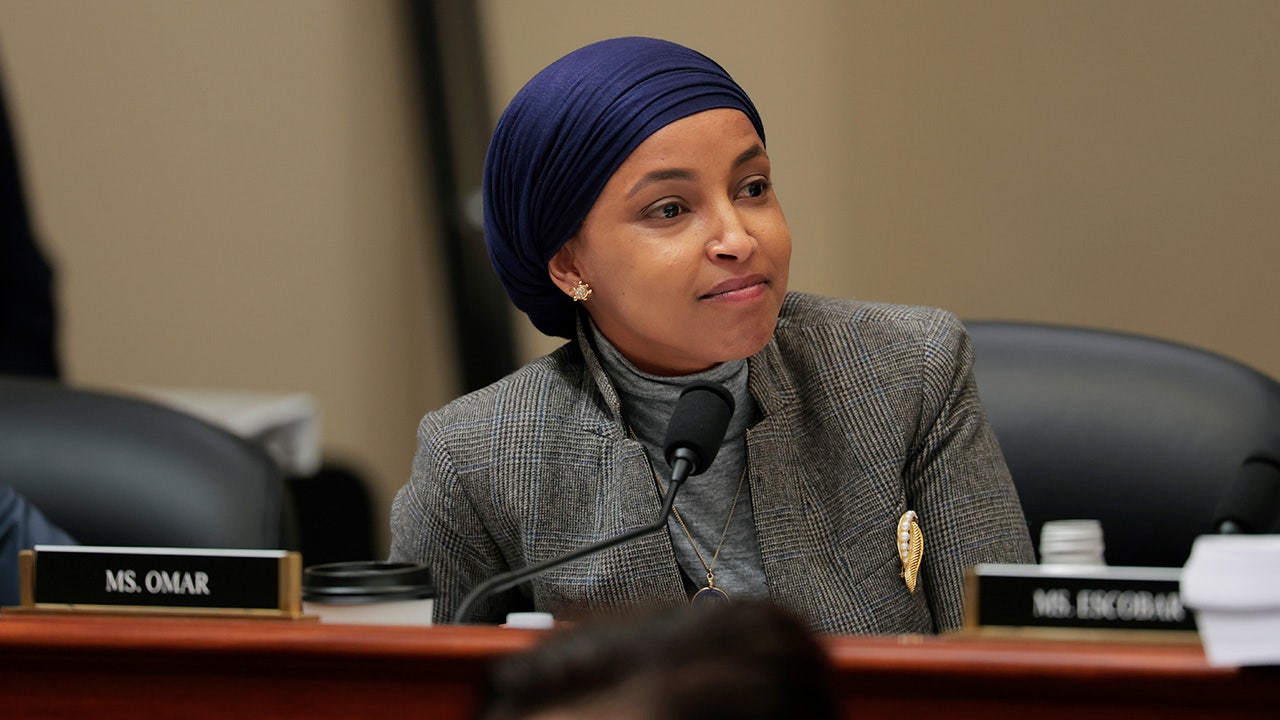
Federal documents tied to the search of Rep. Ilhan Omar’s Washington, D.C., home have now been made public in heavily redacted form, and they still point to a broad, years-spanning investigation. Even with major portions blacked out, the filings sketch out a probe that reaches back decades and centers on immigration-related questions, seized evidence, and the unusual decision to raid a sitting lawmaker’s residence.
The released material shows prosecutors seeking records and information tied to alleged violations involving “Ilhan Nur Said Elmi a/k/a Ilhan Abdullahi Omar,” with the stated time frame stretching “between 1980 to the present.” That detail grabbed attention fast because Omar was born in 1981 or 1982, did not have a birth certificate, and came to the United States in 1995 with her father. The scope alone suggests investigators are not looking at a narrow dispute, but something they believe has roots far deeper than her time in Congress.
Another filing sharpened that point even further by making clear the government believes the matter reaches back long before Omar ever entered public office. Prosecutors pushed back on how the court had described earlier secret proceedings and wrote that the United States believes she committed redacted crimes “over decades.” That kind of language is rare, and it gives the case a much bigger shadow than a routine paperwork fight.
The raid itself happened on Oct. 12, when Homeland Security Investigations carried out the search at Omar’s home. Agents seized her phone, computer, and passport, and officials also obtained her DNA, a sign that investigators were treating the matter as more than a simple records review. Her sister, Sahra Noor, also spoke with investigators during the week of the raid, adding another layer to a case that has already pulled in family members.
The court’s role in the matter has been just as notable. Judge James Boasberg, an Obama appointee, ordered the documents released after first agreeing to keep them sealed because of concerns about flight risk, witness intimidation, evidence tampering, and possible damage to the investigation. Search warrants usually stay locked down until an arrest or some other major step in a criminal case, so the push to unseal these papers has been unusual from the start.
There was also a legal fight over whether the public should see the warrant materials at all. Fifteen media outlets, led by The New York Times, along with Judicial Watch, sued for access, arguing the public had a right to see what justified the raid on a sitting member of Congress. The government resisted, saying release could interfere with investigative protocol and the larger case.
Omar has not been charged with a crime and has denied wrongdoing. She has said the investigation is politically driven and argued that President Donald Trump is targeting her, while her office described the raid as an effort to intimidate a political enemy. The timing only added fuel, since the search came right before Election Day, yet it did not stop her from winning another term in the House.
Questions about her immigration history have been swirling for years, and the newly released filings have brought those suspicions back to the front page. Investigators are reportedly examining whether Omar or her late father, or both, gave false information on immigration paperwork, and the use of her legal names in the documents has also drawn fresh scrutiny. That has kept attention on the paperwork trail, the family history, and the long-running debate over how the case began.
At the same time, old rumors about her past marriage have resurfaced online, including claims involving Ahmed Nur Said Elmi, whom she married in 2009 and divorced in 2017. The renewed focus has only made the case feel bigger and messier, especially with more records expected to remain under a cloud of redactions for now.
The background around Omar’s early life has also been pulled into the conversation, including her arrival in the U.S. as a child after years of turmoil in Somalia. Her father, Nur Omar Mohamed, served as a colonel in the Somali National Army under Siad Barre, whose regime was later tied to mass killing against the Isaaq clan. Those details do not answer the legal questions, but they do help explain why the story carries so much political and historical baggage.

1 Comment
Nxt try the Squad next for more info