
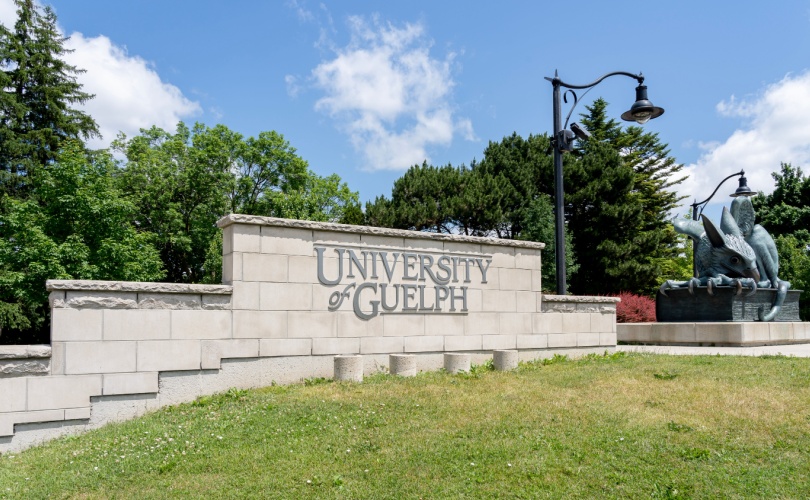
The University of Guelph has barred a young conservative, Sarah Dotzert, from campus for life after she overheard a conversation her father was having with Muslim students about the Iran war, and this incident raises sharp questions about campus freedom, fairness, and how universities handle political speech and association. The ban, applied despite her merely being nearby during a private discussion, spotlights a growing pattern of universities taking expansive disciplinary steps that feel more punitive than protective. This piece examines the immediate facts, the broader campus climate, and why conservatives and parents are rightly alarmed by what happened. The focus stays squarely on the facts of the ban and the implications for civil liberties on campus.
Soon after the episode, the university labeled Dotzert’s presence as problematic and moved to ban her permanently from campus grounds. She did not take part in the conversation, did not organize a protest, and was not reported for threatening behavior, yet the response was a lifetime exclusion. That kind of blanket punishment for merely being in earshot of a talk sounds extreme and sets a worrying precedent for students who attend campus with family members or who pass through public spaces.
Universities should be places where ideas get tested and debated, not where presence alone becomes grounds for sanctions. From a conservative standpoint, institutions entrusted with education must defend students’ rights to free thought and association rather than restrict them on vague safety grounds. When disciplinary policies are applied in broad strokes, they often end up silencing the very people universities claim to protect, and that runs counter to the mission of higher education.
There are practical fairness questions here that should concern anyone who values due process. Was Dotzert given clear notice of the allegations and evidence against her, and did she receive a meaningful chance to respond? Campus tribunals and administrative panels sometimes operate without the procedural safeguards common in civic courts, leaving students vulnerable to decisions made on limited or one-sided information. That imbalance becomes especially dangerous when the sanction is lifetime exclusion.
The family angle complicates this situation in a way universities should handle sensitively, not punitively. Dotzert was present because her father was engaged in a conversation, and treating family ties as guilt by association chills basic social interactions on campus. If parents and visitors must fear that private discussions near their children will trigger bans, the university community becomes a place of suspicion instead of learning and support.
Colleges also need to be consistent in how they apply rules across the political spectrum. When discipline appears one-sided, targeting students for viewpoints or connections that run counter to campus orthodoxy, it proves that policies are being used to police opinion instead of conduct. Conservatives see these patterns as evidence of institutional bias, and that perception undermines trust in university governance and threatens the diversity of thought that higher education promises.
There are practical steps that trustees and lawmakers who care about free expression can demand without micromanaging campus life. Universities should adopt clear definitions of misconduct, ensure transparent hearings that include rights to evidence and cross-examination, and reserve permanent bans for only the most serious and demonstrably dangerous acts. Those reforms would protect both campus safety and students’ civil liberties in a balanced way.
At its core, the Dotzert case is about how we balance safety with freedom in public institutions paid for largely by taxpayers and families. Students and their relatives deserve policies that respect basic fairness and do not punish presence or association on the basis of fear. Universities committed to intellectual openness should rethink heavy-handed measures that exclude rather than educate, because keeping campuses open to debate is the best defense against extremism and the surest route to real learning.
