
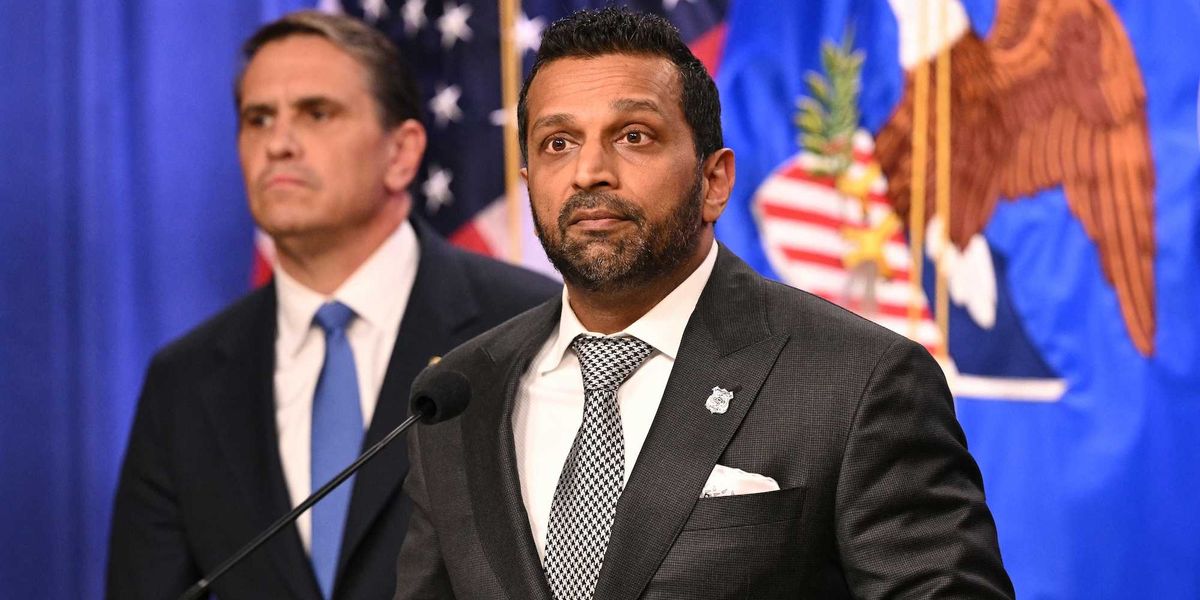
The Justice Department announced a criminal indictment this week accusing the Southern Poverty Law Center of routing funds to extremist organizations, sparking sharp reactions from both the government and the group’s leadership. The case raises questions about how watchdog groups use confidential sources, the line between intelligence-gathering and enabling extremism, and whether accountability will follow.
The Department of Justice Tuesday unsealed an indictment that alleges the Southern Poverty Law Center directed money to extremist outfits while producing reports for donors. Authorities say the payments were not small gestures but structured transfers to affiliates tied to known white supremacist movements. The filing frames those payments as part of an alleged scheme to manufacture the very threats the SPLC claimed to expose.
https://x.com/TheJusticeDept/status/2046704517119377577
<p”As the indictment describes, the SPLC was not dismantling these groups; it was instead manufacturing the extremism it purports to oppose by paying sources to stoke racial hatred,” Acting Attorney General Todd Blanche said in a media briefing. That line from the government is blunt and meant to be a theme for prosecutors as the case moves forward. Republicans and law-and-order voices are pointing to this statement as confirmation that justice is catching up with long-simmering concerns.
According to the public accusations, the DOJ alleges specific sums were routed to radicals: $1 million to a National Alliance affiliate, $300,000 to an Aryan Nations affiliate, and $73,000 to former members of the Ku Klux Klan, among other payments. Those figures are repeated in the indictment text and have become central to the narrative pushed by officials. If proved, the numbers change the conversation from theory to something concrete.
The criminal indictment lists six counts of wire fraud, four counts of bank fraud, and one count of conspiracy to commit money laundering. Those are serious federal charges that carry significant penalties and will draw intense legal scrutiny. For a nonprofit that has long claimed moral authority, facing multiple fraud counts is an extraordinary turn.
“As the indictment lays out, after SPLC paid members of these extremist groups, it created work product that reported on these activities that the members participated in or contributed to,” . “And to that end, it was doing the exact opposite of what it told its donors it was doing.” The government presentation positions the alleged payments and the publications as two halves of the same scheme. That allegation will be a central thread for prosecutors trying to show intent and deception.
SPLC interim president and CEO Bryan Fair posted a video response on social media in anticipation of the indictment announcement. “The focus appears to be on the SPLC’s prior use of paid confidential informants to gather credible intelligence on extremely violent groups,” he explained. “This use of informants was necessary because we are no stranger to threats of violence.”
Fair also emphasized the group’s claim that information from paid sources was shared with law enforcement while the identities of those informants were protected. Those assertions form the SPLC’s basic defense: that the payments were a standard part of intelligence-gathering and protective work. The dispute now centers on whether those transactions crossed a line into fraud or money laundering when combined with public-facing reports.
The Justice Department has been explicit on social media and in briefings about its view that the SPLC’s conduct was more than sloppy policy; prosecutors portray it as deliberate manufacturing of extremism. That angle appeals to conservatives who have long criticized parts of the nonprofit sector for political influence and unchecked practices. Expect advocacy and legal teams on both sides to push hard in court and in the court of public opinion.
Beyond the headline allegations, this case forces tougher questions about oversight of nonprofits, the use of confidential informants, and the safeguards that should exist when grants or donations are involved. Republicans in Congress and elsewhere will likely call for hearings and more transparency if this indictment leads to prosecutions. The coming months will test how aggressively the justice system pursues these claims and how the SPLC responds under oath and in open court.
“We will not be intimidated into silence or contrition, and we will not abandon our mission or the communities we serve.” That pledge from SPLC leadership closes their public rebuke and signals a fight ahead. For those who want clarity, the case promises to deliver documents, testimony, and headlines that will settle some questions and raise many more.
