
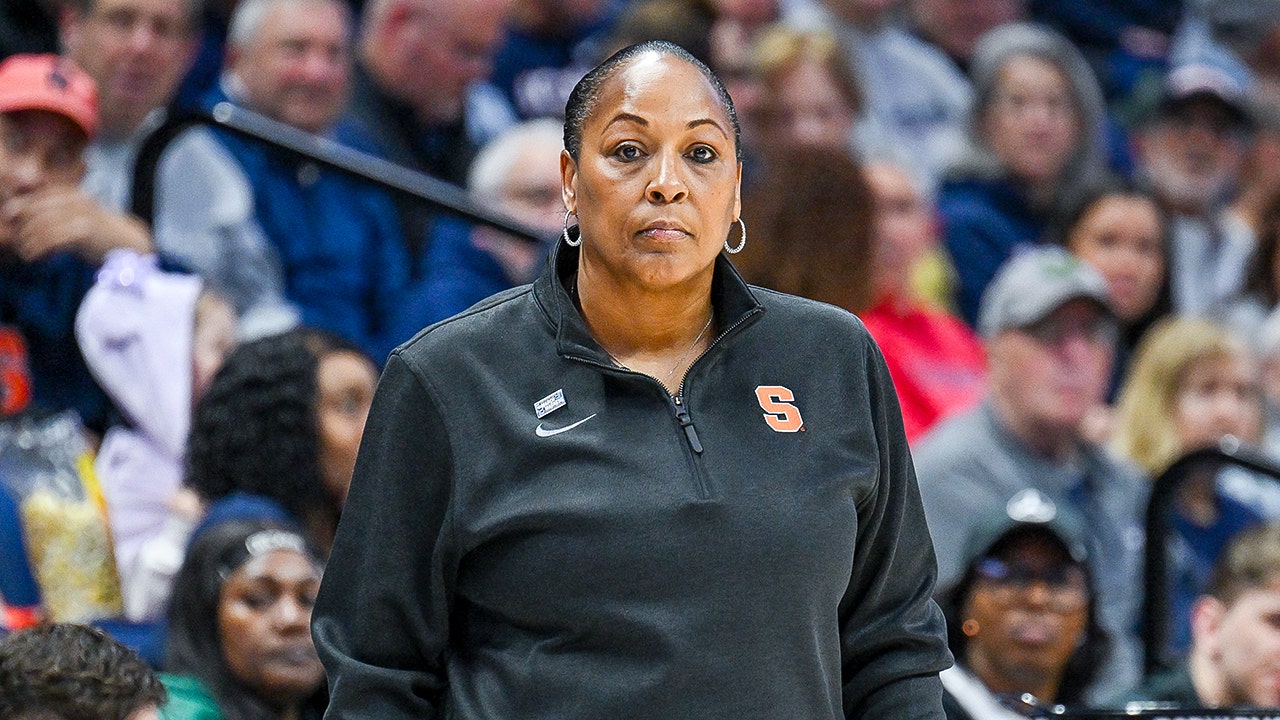
After another lopsided NCAA Tournament loss to UConn, Syracuse coach Felisha Legette-Jack said the recurring matchups against the Huskies feel like a “personal attack,” and that frustration has rippled through the program and conversation around competitive fairness.
Legette-Jack’s comment landed hard because it wasn’t just about one game; it was about the pattern. Facing the same dominant opponent repeatedly in the tournament wears on coaches and players alike. Saying it’s a “personal attack” captured a raw moment many felt but few voiced so plainly.
The sequence of meetings with UConn has become a sore spot for Syracuse, and the most recent defeat only widened that fissure. Fans and analysts noticed the margin of the loss and the emotional weight it carried. When a program keeps hitting the same wall, the reaction moves beyond tactical critique into personal frustration.
That reaction reflects the human side of coaching—when you pour effort into preparation and still see similar outcomes, it stings. Legette-Jack’s language made it clear she viewed the matchup frequency as more than coincidence. The blunt phrasing echoed the sentiment that repeated exposure to a powerhouse can feel targeted and demoralizing.
Players pick up on those vibes quickly; a coach’s frustration becomes part of the locker room atmosphere. Young rosters especially can internalize that sense of being overmatched, which complicates development and confidence. Managing the emotional fallout is as important as adjusting the game plan.
From an organizational perspective, repeated heavyweight matchups spark questions about tournament structures and seeding dynamics without blaming specific teams. When two programs cross paths repeatedly, the losing side naturally wonders if the system stacks the deck against parity. Those concerns are part of the broader debate about how to keep postseason draws competitive and fair for emerging programs.
On the court, the task remains the same: figure out how to compete under pressure and force different results. Coaches recalibrate schemes and emphasize growth in offseason work so future encounters don’t feel inevitable. For the players, translating frustration into focused preparation can flip a narrative over time.
Legette-Jack’s remark landed because it put a human face on a recurring tournament storyline, and it sparked immediate reaction from fans and columnists. People debated tone, intent, and whether the comment was theater or truth, but it undeniably shifted the conversation toward how repeated matchups affect teams. The discussion now threads through recruiting, scheduling, and the emotional health of programs when the bracket keeps producing the same crossroads.
Whatever next season brings, the program will carry the memory of this stretch and the blunt honesty that followed. Coaches and staff will have a choice: treat the remark as a rallying cry to alter results or let it simmer as a note of simmering frustration. Either way, those words have changed the way some will view the matchup history between these two programs.
