
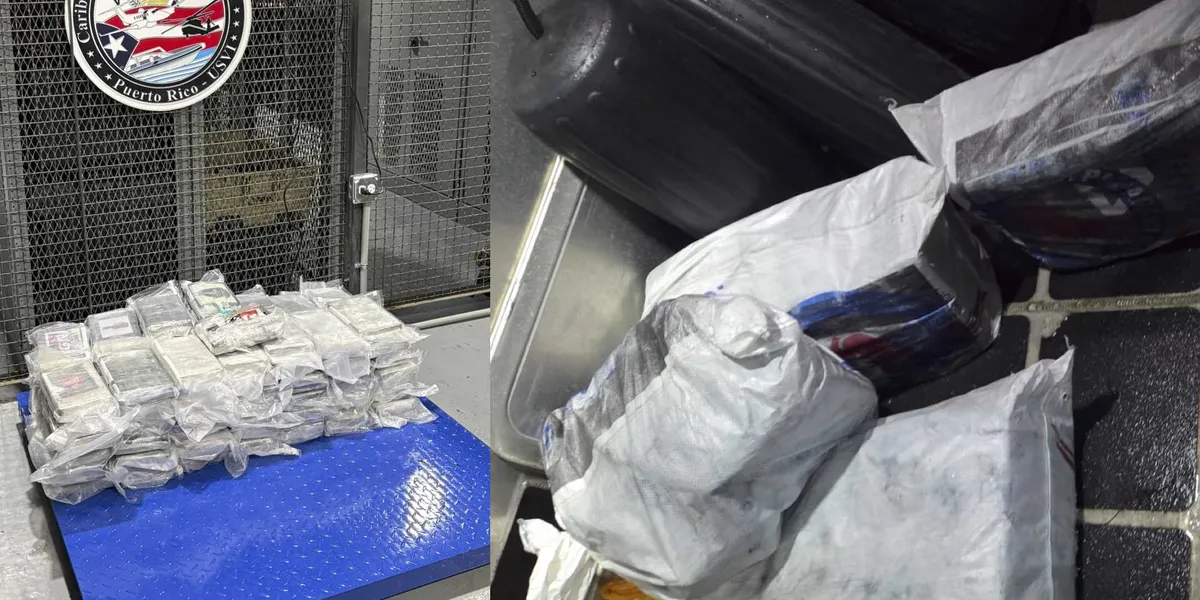
A massive cocaine seizure tied to a vessel linked with smugglers from the Dominican Republic has put border enforcement back in the spotlight. U.S. Customs and Border Protection says the bust underscores how aggressively drug networks keep pushing shipments through maritime routes, even as authorities tighten the net.
The case centers on a load that was far bigger than the usual street-level haul. Instead of a small stash hidden in luggage or tucked inside a vehicle, this was the kind of shipment that points to organized trafficking and serious money behind it. When a vessel is carrying that much cocaine, it is rarely an accident or a one-off gamble.
Maritime smuggling has always been attractive to cartels and trafficking crews because the water gives them room to move and places to hide. Boats can blend into heavy traffic, change course quickly, and try to exploit long stretches of open sea where surveillance is harder. That is exactly why interdiction at ports and offshore routes remains such a big part of the fight.
CBP’s role in these busts goes beyond just catching one shipment. Every seizure can expose a wider chain of people, from the organizers who finance the operation to the couriers who help move the drugs from one point to the next. One intercepted vessel can unravel a larger network if investigators can connect the dots fast enough.
The Dominican Republic has often been part of broader trafficking conversations because its location places it near major Caribbean transit routes. Those routes can lead toward Puerto Rico, the U.S. mainland, and other destinations where demand keeps the profit margin high. That geography makes enforcement difficult, but it also makes strong border monitoring absolutely necessary.
Drug trafficking groups keep adapting because the stakes are enormous. Cocaine shipments can be split, repackaged, rerouted, and moved through multiple hands before ever reaching a final market. The pressure on authorities is constant, since smugglers do not stick to one tactic for long once they think a route is compromised.
There is also a local impact that stretches far beyond the water. Large cocaine loads help feed addiction, violence, and the kind of criminal money that fuels other illegal activity on land. A seizure at sea can look like a single headline, but it is really a snapshot of a much bigger pipeline.
Border officials have spent years warning that narcotics traffickers are patient, organized, and willing to test every weak point in the system. That is why busts like this get attention well beyond the immediate arrest or confiscation. They show how much coordination is needed just to stay ahead of crews that treat the Caribbean like a highway.
Cases involving vessels, ports, and international smuggling also raise questions about what happens next in the legal process. Investigators often need to sort out ownership, travel patterns, crew roles, and communications to see who was actually running the operation. The people on board are not always the top of the chain, which is why these investigations can keep widening after the first takedown.
Even when the headlines move on, seizures of this scale leave a mark on enforcement strategy. Agencies study how the vessel moved, where it came from, and how it was detected so they can catch the next shipment sooner. The traffickers are always adjusting, and the response has to keep pace without blinking.
That push and pull is what makes maritime drug interdiction so intense. The oceans may look open and endless, but for smugglers they are also full of risk, and for law enforcement they are a proving ground where one well-timed interception can shut down a very expensive run.
