
Checklist:
- Trump’s record as the GOP’s core advantage
- Voter trust on crime, border security, and immigration
- Border enforcement and the end of chaos
- Fraud crackdowns and government accountability
- Affordability pressures and the cost-of-living fight
- Democrats’ strategy of making the election about Trump
Democrats are betting that nonstop attacks on Donald Trump will drown out their own weak record, but that play is wearing thin. Republicans have a much cleaner message heading into the midterms: point to Trump’s results, keep the focus on public safety, and remind voters who actually delivered on the issues that hit home. Crime, the border, immigration, and wasteful government spending are not side issues anymore. They are the center of the race.
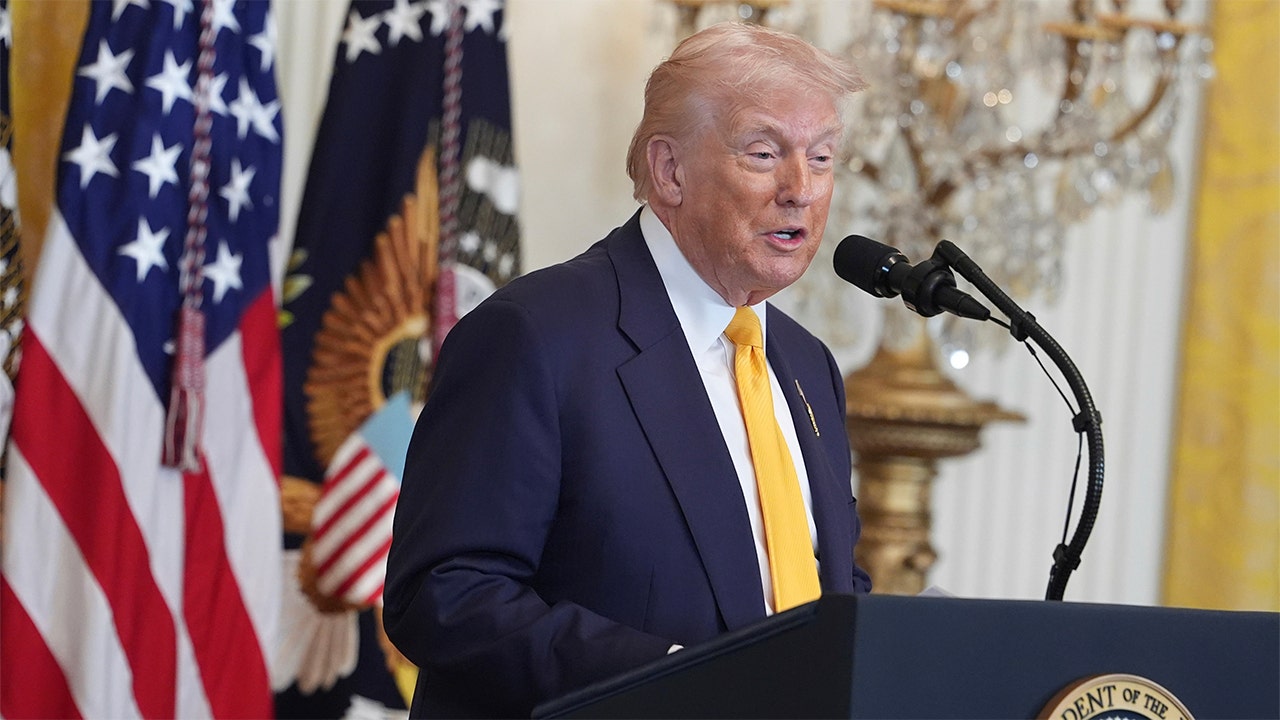
Trump remains the biggest factor in the election, and that is not necessarily a problem for Republicans. Voters already see him as a defining force, and many are making their congressional choices with him in mind. That gives the GOP a chance to turn a media obsession into a political edge by tying their candidates to a record that speaks for itself.
The numbers are favorable in ways Democrats would rather ignore. Republicans hold trust advantages on crime, border security, and immigration, which lines up perfectly with what voters say they care about most. Those are not abstract talking points. They are kitchen-table concerns in places where families want safer neighborhoods, a controlled border, and a government that stops treating lawbreaking like a social service.
The border is where Trump’s approach has been most dramatic. Under his watch, illegal crossings fell sharply, and the message changed from open invitation to real consequences. That shift matters because border enforcement is not just about lines on a map. It is about drugs, trafficking, local strain, and the sense that the country still knows how to enforce its own laws.
The contrast with the Biden years is still fresh. When the system was overwhelmed, communities paid the bill through crowded shelters, stressed schools, strained local budgets, and a sense that Washington had simply given up. Trump’s return to enforcement showed that policy choices matter, and that a border crisis does not need to be accepted as normal.
That same mindset is showing up in the fight against fraud. Trump has pushed a harder line on waste, abuse, and improper payments, which is exactly the kind of message that resonates when families are squeezed by higher prices. Taxpayers do not want lectures about sacrifice from politicians who let billions leak out of the system.
Republicans can also connect that message to everyday affordability. Voters may blame Washington for the cost of groceries, gas, rent, and health care, but they also know that sloppy government makes the pain worse. When fraud goes unchecked and spending keeps climbing, ordinary Americans end up footing the bill through taxes, inflation, or both.
That is why the border and the budget are linked. Illegal immigration places costs on schools, local governments, and housing markets, while failed enforcement fuels the feeling that the system works for everyone except the people playing by the rules. Republicans have an opening to explain that affordability is not just about what happens at the checkout line. It is also about whether government drains money from the families who earn it.
Democrats want the midterms to be a referendum on Trump’s personality. Republicans should make it a referendum on results. That means talking plainly about safer streets, tighter borders, less fraud, and a government that puts citizens first instead of apologizing for every failure.
The danger for Democrats is simple. The more they obsess over Trump, the more they remind voters why they preferred his approach on the issues that matter most. And as prices stay high and public frustration keeps building, that reminder could land harder than any attack ad ever will.
