
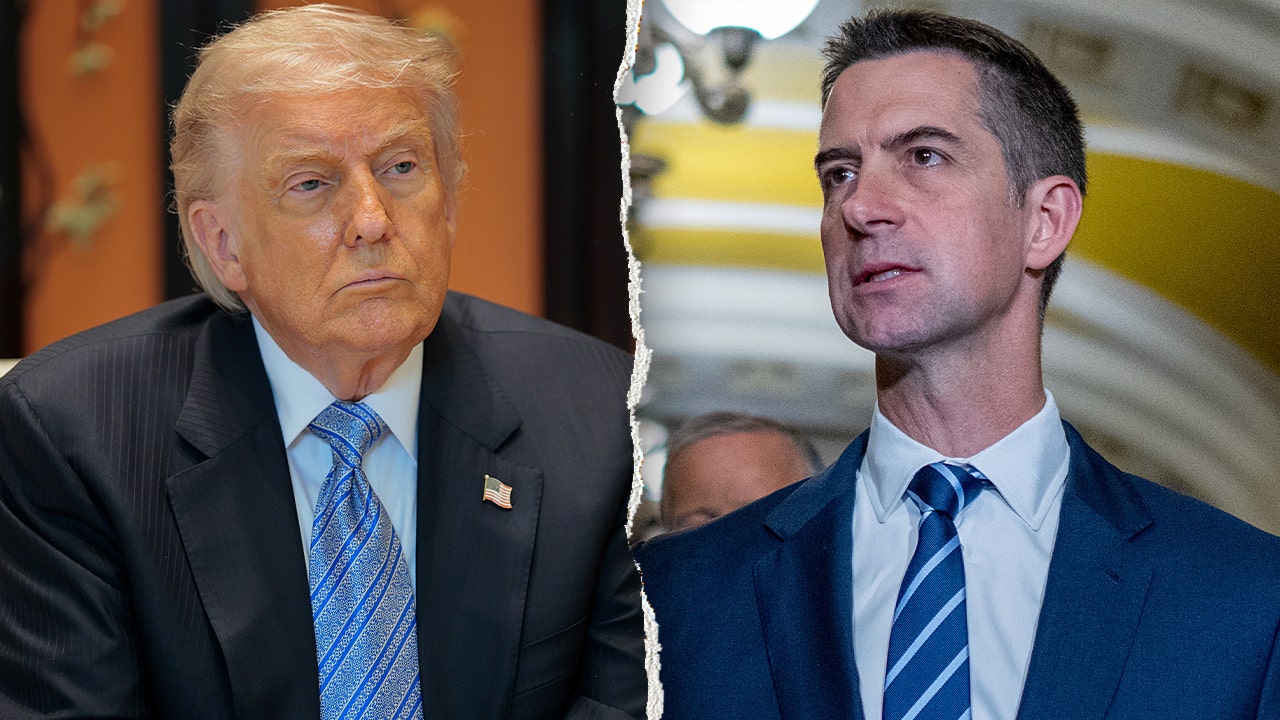
Trump put daylight saving time back in the spotlight with a sharp Truth Social post aimed at Sen. Tom Cotton, and the feud quickly turned into a louder fight over a stalled bill, Senate procedure, and who gets blamed when Congress drags its feet. The dispute centers on the Sunshine Protection Act, a measure meant to make daylight saving time permanent, while Trump presses hard for action and Cotton argues the change would create more problems than it solves.
The post landed with a jolt because Trump appeared to share Cotton’s phone number while urging Arkansas voters to call him. He framed Cotton as the roadblock standing in the way of a policy he has backed for years, and he made clear he wanted pressure from home-state voters to force movement. The whole thing had the feel of a political smackdown, with Trump using his megaphone to turn a policy dispute into a public test of loyalty.
Trump said the Senate can act on the bill with just one holdout removed, and he argued it ought to pass in a broad bipartisan way. He also reminded Arkansas that he has won the state comfortably in past elections, then pushed voters to tell Cotton to “GET IT DONE!” The message was blunt, personal, and classic Trump, mixing policy with raw political leverage.
The timing matters here. The Senate is out of session until Nov. 3, which means no vote can happen until after the midterm elections, and that delay has only added more frustration for supporters of the measure. The House already cleared its version in July with a 308-117 vote, showing that plenty of lawmakers are willing to go along, but the Senate side has gone nowhere.
That standoff is exactly what has made daylight saving time such a stubborn issue. A bill can win bipartisan applause and still sit still once it reaches the other chamber, and that is where this one has landed. The result is a familiar Washington mess, where a popular idea can still get trapped by committee politics and individual objections.
Trump has been one of the loudest voices for ending the clock changes altogether. He has argued that keeping daylight saving time permanent would help cut down robberies and murders, reduce traffic crashes, lower health risks tied to cardiac issues and stroke, and ease seasonal depression. Supporters see a simple fix that gives people more evening daylight, while critics keep warning that the tradeoff could bring brutal winter mornings.
Cotton was not backing down after Trump’s post. He responded on X by saying nobody enjoys changing the clock, but he pointed to past attempts at permanent daylight saving time that were later repealed once Americans were stuck with very late winter sunrises. He also made the Arkansas argument plain, saying parents do not want their kids heading to school in the dark and that his first priority is keeping Arkansas first.
The clash is bigger than one senator and one post. It reflects a wider split between lawmakers who want a cleaner, permanent time system and those who think the current calendar, annoying as it is, still beats sunrise that feels like midnight. Northern and southern states often view the issue through very different lenses, and that geographic divide keeps making consensus harder than it should be.
There is also a long memory behind Trump’s move. This is not the first time he has posted a lawmaker’s phone number, and the tactic has always carried a blast of intimidation mixed with spectacle. Back in 2015, he shared the number of Sen. Lindsey Graham after Graham insulted him on television, proving that Trump has never been shy about turning a personal swipe into a public one.
For now, the bill sits in limbo while the political noise keeps rising. Trump wants a clean win on a longtime priority, Cotton wants to protect his state from what he sees as a bad trade, and the Senate remains the place where both sides can keep talking while nothing gets resolved.
